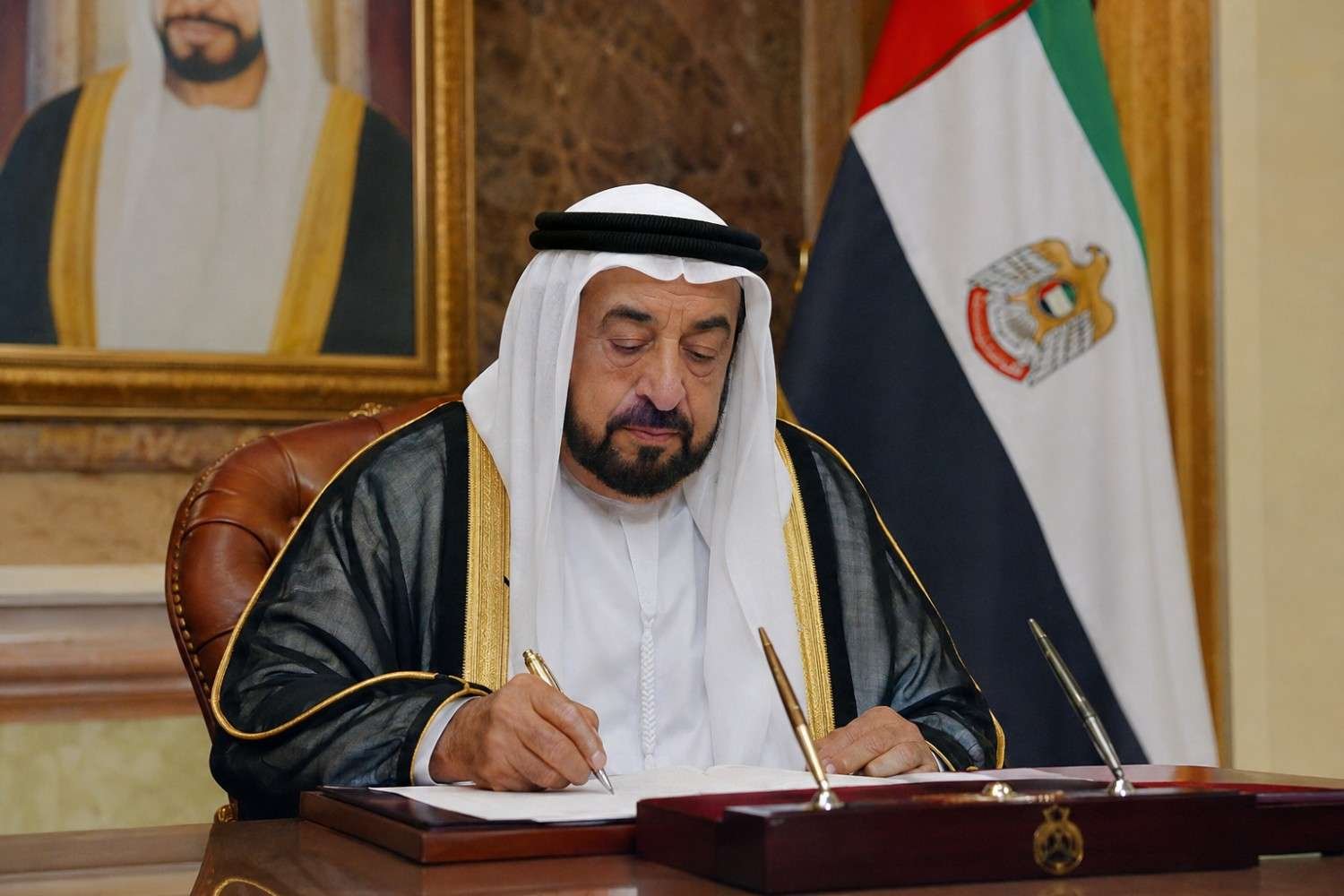
Sharjah has rolled out one of its most sweeping public-sector pay reforms in recent memory, after Sheikh Dr Sultan bin Muhammad Al Qasimi, Ruler of Sharjah, approved a new monthly minimum wage of Dh20,000 for government employees across the emirate.
The change, which took effect this week, is expected to touch the lives of roughly 18,000 workers on the Sharjah government payroll. Combined with existing higher salaries already being paid across the workforce, the emirate’s total annual wage bill for government staff will now climb to around Dh720 million.
Sharper starting salaries for new recruits
The reform brings a noticeably higher entry point for Emiratis stepping into government careers. University graduates joining the Sharjah government will now start on a monthly salary of Dh27,125, while those entering straight after finishing school will earn Dh20,950 — a jump from the previous starting figure of Dh17,750 for school leavers. The increase is designed, officials say, to make government careers more competitive and financially attractive to young Emiratis weighing their options between the public and private sectors.
Retirees and vulnerable families included
What sets this reform apart from a standard civil-service pay rise is its reach beyond active employees. Abdullah Ibrahim Al Zaabi, director of Human Resources in Sharjah, confirmed on local radio that the new Dh20,000 minimum will also extend as a living allowance to people who have already retired from Sharjah government service.
That change alone is expected to benefit more than 2,250 retirees, at an additional annual cost to the government of Dh113 million. It ensures that those who spent their careers in Sharjah’s public sector are not left behind by a pay structure that only benefits current staff.
Perhaps most striking is the decision to extend a comparable Dh20,000 minimum monthly allowance to families already receiving social service benefits in the emirate. Officials estimate this will support more than 6,650 families, at a projected cost of Dh195.1 million a year. For many of these households, the increase represents a meaningful uplift in monthly income and a direct injection of support into some of the emirate’s most vulnerable communities.
Part of a wider push on living standards
The announcement follows a pattern of similar interventions from Sharjah’s leadership in recent months, including an economic relief package introduced earlier this year aimed at helping local businesses recover from the wider regional disruption caused by ongoing conflict in the Gulf. Taken together, these measures point to a deliberate strategy by the emirate to shore up household finances and business resilience at a time when regional uncertainty has weighed on sentiment across the wider Gulf economy.
Analysts tracking public-sector pay across the UAE note that Sharjah’s move puts it more closely in line with wage structures in some of the wealthier emirates, potentially easing the gap in living standards and career incentives between government roles in Sharjah and those in neighbouring Dubai and Abu Dhabi.
Why it matters
For an emirate that is home to a large share of the UAE’s population but has traditionally offered lower public-sector salaries than its neighbours, the reform is being read locally as a significant statement of intent. By simultaneously lifting wages for new recruits, protecting the incomes of retirees, and extending direct support to vulnerable families, Sharjah’s leadership appears to be pursuing a broad-based approach to economic security rather than a narrow civil-service pay adjustment.
With the changes already in force, attention will now turn to how quickly the higher payments reach recipients, and whether other emirates follow with comparable adjustments of their own in the months ahead. Next Article


Comments 2