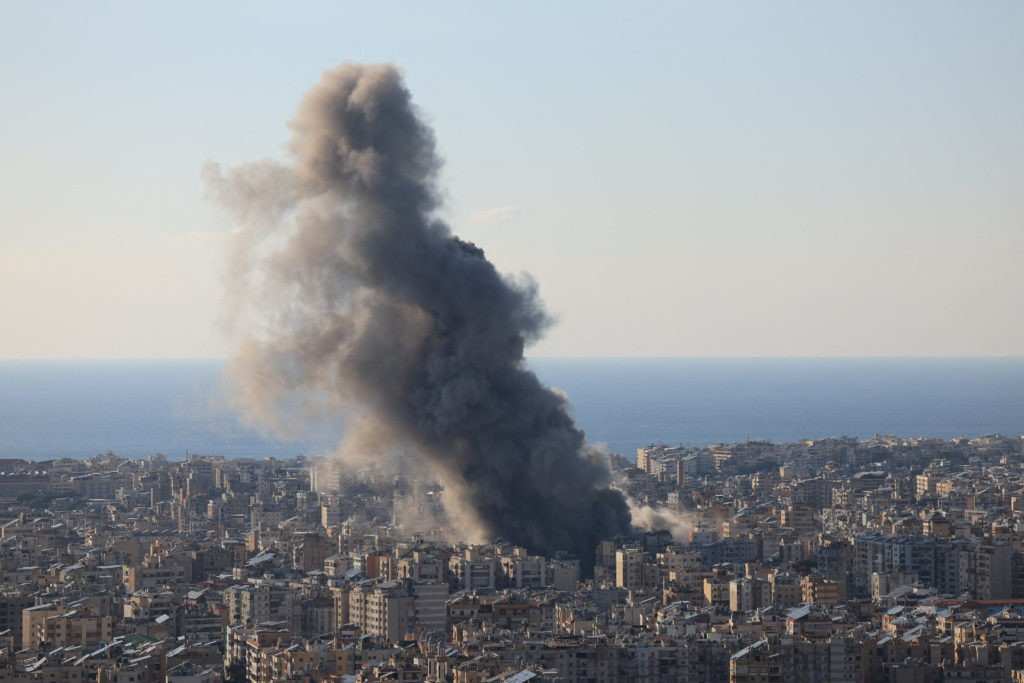
Iran Strikes 16 US Bases Across Middle East, Inflicts ‘Never Seen Before’ Damage
A recent report has claimed that Iran inflicted unprecedented damage on U.S. military infrastructure across the Middle East, with as many as 16 American bases hit in multiple countries during the ongoing conflict. A massive, coordinated retaliation.
According to the report, the strikes targeted U.S. installations spread across eight nations in the region, marking one of the most extensive retaliatory operations ever carried out by Iran against American forces. The scale of the damage has been described as something officials had “never seen before,” highlighting the intensity of the confrontation. Extensive operation across eight nations.
The escalation traces back to late February 2026, when the United States, along with Israel, launched coordinated airstrikes on Iranian targets. These attacks were aimed at weakening Iran’s military capabilities and leadership structure. In response, Iran initiated a series of missile and drone strikes across the Gulf and surrounding regions, focusing on U.S. military bases and allied infrastructure. Iran retaliates after US-Israel strikes.
Subsequent assessments suggest that the extent of the damage may be far greater than initially disclosed. Reports indicate that key military assets—including runways, radar systems, aircraft, command centers, and communication networks—were hit during the strikes. The destruction has reportedly disrupted U.S. military operations and raised concerns about the vulnerability of its forward bases in the region. Runways, radar, aircraft, command centers hit.
Some estimates suggest that the financial cost of repairing the damaged facilities could run into billions of dollars. In several cases, bases were rendered partially or nearly unusable, forcing U.S. personnel to relocate or adjust operational strategies. This has added to the complexity of maintaining a military presence in an already volatile region. Billions in damage, bases rendered unusable.
The attacks were not limited to a single country. U.S. bases in nations such as Qatar, Bahrain, Kuwait, Saudi Arabia, Iraq, Jordan, and the United Arab Emirates were reportedly affected. The widespread nature of the strikes underscores Iran’s ability to project force across the region and coordinate large-scale operations. Bases in Qatar, Bahrain, Kuwait, Saudi, Iraq, Jordan, UAE hit.
Military analysts say the developments could significantly alter strategic calculations in the Middle East. The damage has raised questions about the effectiveness of U.S. air defense systems and the long-term sustainability of its base network so close to Iran. Some experts argue that the conflict has exposed structural weaknesses in the current deployment model. Questions over US air defense effectiveness.
The broader conflict has also had global implications. Rising tensions have disrupted key shipping routes such as the Strait of Hormuz, contributing to volatility in global energy markets and increasing geopolitical uncertainty. Global energy markets impacted.
Despite the severity of the situation, diplomatic efforts are ongoing. There have been attempts to broker negotiations and de-escalate the conflict, though a lasting resolution remains uncertain. Meanwhile, both sides continue to signal readiness for further confrontation if necessary. Diplomatic efforts continue, but resolution uncertain.
Overall, the reported scale of Iran’s strikes and the resulting damage to U.S. military bases mark a significant turning point in the conflict, raising concerns about regional stability and the potential for further escalation in the months ahead. A significant turning point. Regional stability at risk. More escalation possible. The world watches closely.


