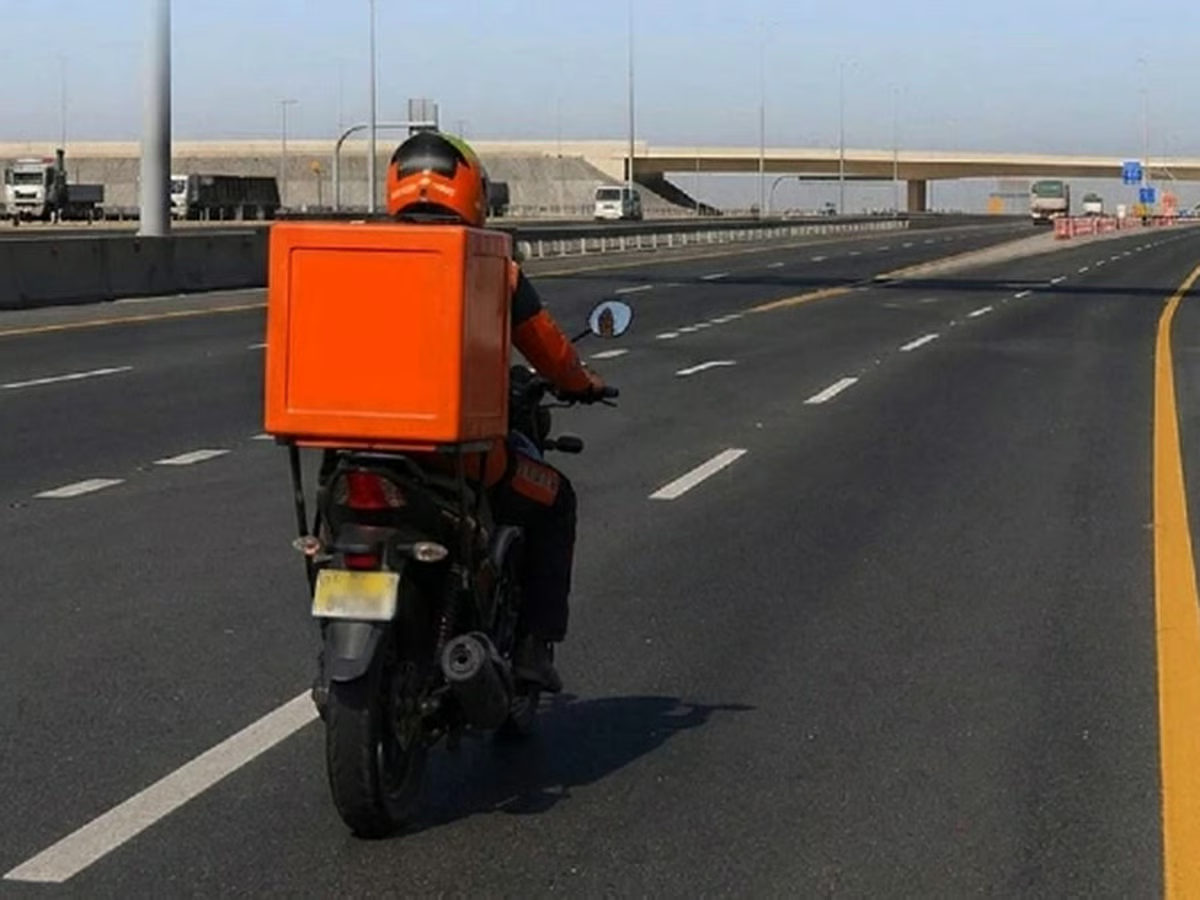
Dubai’s delivery riders are about to come under closer digital watch. The Roads and Transport Authority has announced what it calls the first integrated smart monitoring system for delivery motorcycles, a step that will eventually apply to every delivery company operating in the emirate.
How the system works
According to the RTA, the system combines three elements: an electronic platform, monitoring devices connected through the Internet of Things, and advanced cameras fitted to motorcycles. Together they will collect and analyse how delivery riders handle their vehicles, including their speed, location and behaviour such as sudden manoeuvres.
Saeed Al Ramsi, the RTA’s Director of Licensing Activities Monitoring, described the project as a major shift in how delivery activity is supervised. In his words, the authority is moving from conventional monitoring to proactive, data-driven oversight supported by smart analytics. The system was developed with Dubai Police and other relevant bodies.
A transition period first
Companies will not be forced to join immediately. Installing the devices and connecting fleets to the platform will be optional until the end of the first half of 2027. After that, compliance becomes mandatory. The RTA says the window gives firms time to prepare their technical systems and operations and benefit from the platform’s features in the meantime.
The timeline appears to have shifted. When the RTA first spoke publicly about AI-based monitoring of delivery bikes in October 2025, Gulf Today reported that installation would become mandatory for all delivery bikes in the first half of 2026. The latest announcement places the compulsory start after June 2027.
Why Dubai is doing this
The delivery sector has grown quickly. In 2025, the RTA put the number of delivery bikes at around 65,000, and Gulf News reported that the figure could reach 75,000 by the end of 2026. With more riders on the road, regulators and police have become increasingly concerned about speeding, lane misuse and crashes involving delivery motorcycles.
The RTA says real-time monitoring combined with fleet-management tools should make operators more accountable, support compliance with traffic rules and raise safety standards for riders and other road users. It also expects to build a comprehensive database of delivery operations, which could shape future regulatory policy, make inspections more efficient and encourage safer working practices.
What it means for companies
For delivery platforms and fleet operators, the message is to prepare. Practical steps include:
- Audit the fleet. Know how many motorcycles are in service and which can accept the devices.
- Plan installation. Use the voluntary phase to test the equipment without penalty risk.
- Review rider policies. Data on speeding or harsh braking may trigger training, warnings or other action.
- Check data handling. Companies should be ready to explain how rider data is stored and used.
Mr Al Ramsi stressed that success will depend on cooperation among regulators, delivery companies and riders. That points to an approach in which the authority expects employers to share responsibility for rider conduct.
What it means for riders
Riders may notice changes in daily routines. Sensors and cameras could make it easier to prove safe behaviour, but they will also record unsafe habits. The RTA has not yet detailed what penalties or training might follow from the data, or how long footage will be stored. Those questions will matter to workers who rely on delivery income and who often face tight time pressure from apps and customers.
The bigger picture
The announcement fits a broader RTA strategy of using smart technology and data to improve road safety and regulatory oversight. It also reflects a wider trend across the UAE, where authorities are tightening rules for micromobility and motorcycles at the same time. New federal traffic regulations due on January 1, 2027, for example, will require permits for e-scooter riders.
For consumers who order food and parcels daily, the change could eventually mean calmer streets and more predictable deliveries. The test will come in 2027, when the voluntary phase ends and the system’s real impact on safety can be measured.


