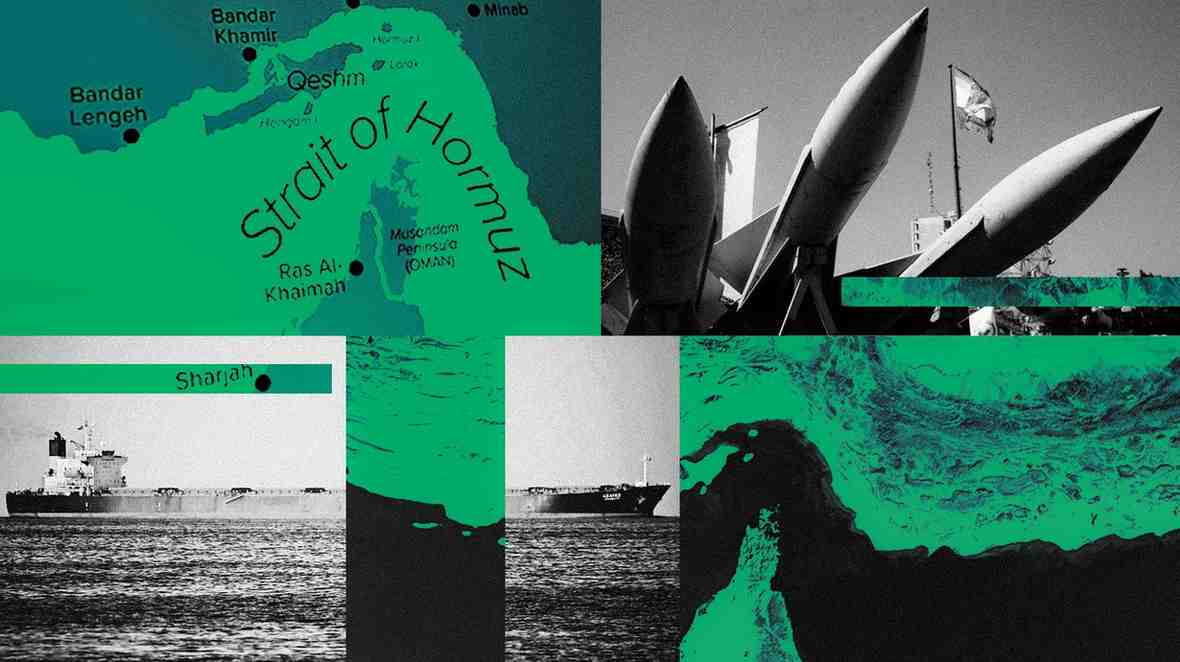
Iran’s Real Weapon Isn’t a Nuclear Bomb—It’s the Strait of Hormuz
Amid the ongoing conflict involving Iran, the United States, and Israel, a striking geopolitical reality has emerged: Iran’s most powerful strategic weapon may not be a nuclear bomb, but its control over the Strait of Hormuz—one of the world’s most critical energy chokepoints. Geography, not just technology, is Tehran’s ace.
The narrow waterway, located between Iran and Oman, handles nearly 20% of global oil and gas shipments, making it indispensable to the global economy. In recent weeks, tensions in the region have disrupted shipping traffic, triggered oil price volatility, and raised fears of a prolonged global energy crisis. A chokepoint that can choke the world.
While Iran’s nuclear ambitions have long dominated international concerns, the current conflict has highlighted a different form of leverage. Tehran may not possess a deployed nuclear weapon, but its ability to influence or even block the Strait of Hormuz gives it a deterrent power that rivals nuclear capability in economic impact. Economic deterrence, not nuclear.
This strategic advantage has become increasingly evident as clashes intensified. The United States has attempted to enforce naval blockades, while Iran has threatened retaliation and intermittently restricted access to the strait. These actions have caused severe disruptions in global shipping routes, leaving hundreds of vessels stranded and sharply reducing maritime traffic. Shipping at a standstill.
The consequences have been immediate and far-reaching. Oil prices have surged, global markets have shown instability, and industries dependent on energy imports are facing rising costs. According to energy experts, the current situation could rival or even surpass previous oil crises in severity, with supply chain disruptions affecting not just fuel but also food and industrial goods. A crisis on multiple fronts.
The crisis has also reshaped diplomatic negotiations. Control over the Strait of Hormuz has become a central bargaining chip in talks between Iran and Western powers. Rather than focusing solely on nuclear disarmament, discussions are increasingly centered on ensuring free passage through the strait and stabilizing global energy flows. Diplomacy now focuses on geography.
Analysts argue that this shift reflects a broader lesson learned by Tehran. Instead of relying solely on military or nuclear capabilities, Iran is leveraging geography to exert pressure on its adversaries. By threatening to disrupt a vital artery of global trade, it can impose economic costs not just on its rivals but on the entire world. Geography as a weapon.
This strategy has drawn comparisons to a form of “economic nuclear deterrence.” Even without launching missiles or building atomic weapons, Iran can trigger global consequences simply by tightening its grip on the strait. As one analyst noted, the waterway itself has effectively become a tool of power projection, capable of influencing markets, diplomacy, and security dynamics simultaneously. A new kind of deterrence.
Meanwhile, Gulf nations and global powers remain deeply concerned. Many fear that allowing Iran to retain such leverage without meaningful checks could lead to recurring crises. Others worry that escalating tensions could result in a complete shutdown of the strait, an event that would send shockwaves through the global economy. A nightmare scenario.
For now, the situation remains volatile. Although there have been brief openings and temporary de-escalation efforts, the risk of renewed disruptions persists. Both military actions and diplomatic missteps could quickly reignite tensions, pushing oil prices higher and further destabilizing markets. A fragile calm.
Also Read: Tensions Erupt: Germany Gurudwara Clash Sees Police Action in Gelsenkirchen
In essence, the ongoing conflict has redefined the concept of strategic power in the region. Iran’s influence over the Strait of Hormuz demonstrates that control over critical infrastructure can be just as potent as traditional weapons. As the world watches closely, one thing is clear: in today’s interconnected global economy, geography itself can become the most powerful weapon of all. The waterway is the weapon. The world is watching. Iran holds the key to global energy.


