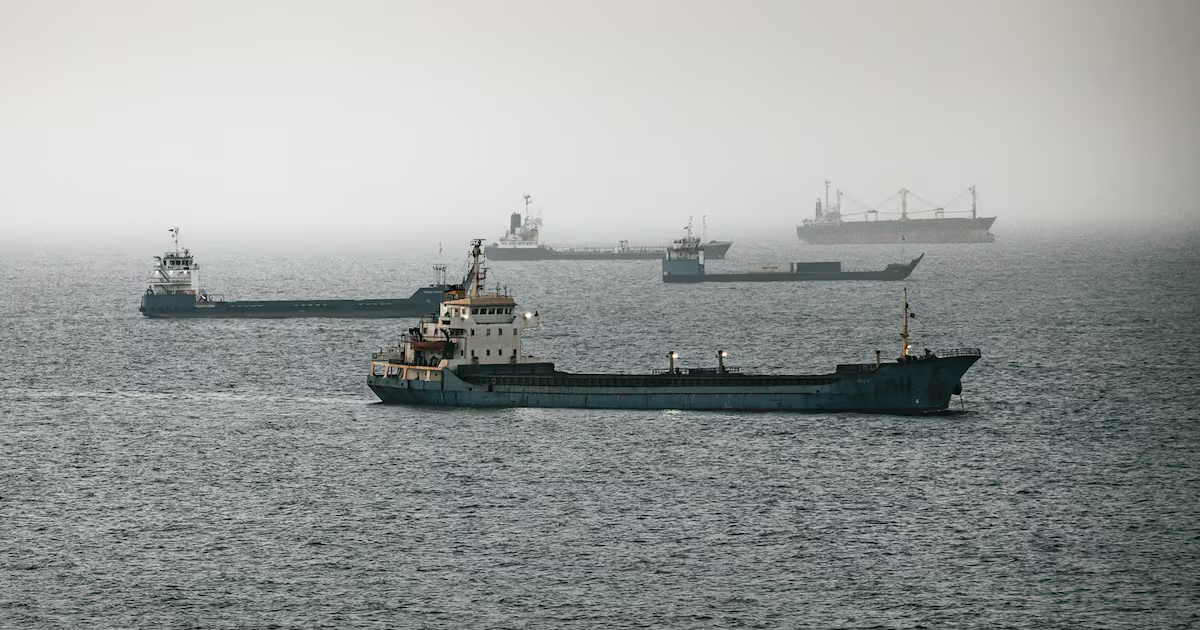
The UAE has confirmed that a tanker oil spill in the Arabian Gulf lies behind the strong fuel-like smell that has unsettled residents of Dubai and the northern emirates for several days. All beaches in Umm Al Quwain are now closed while crews work to contain the slick.
The Ministry of Climate Change and Environment announced the finding early on Friday. It said the country’s technical monitoring and environmental assessment system had detected a tanker spill affecting Umm Al Quwain’s beaches, and that teams had begun containment, cordoning, clean-up and remediation with local and federal authorities.
Beaches shut, fishing curbed
The ministry said it has temporarily closed all Umm Al Quwain beaches and coastal areas until technical teams complete their assessments and identify safety and marine protection measures. Fishermen and other sea users were urged to follow official instructions and stay out of the affected waters. The public was advised to keep away from any oil that washes ashore. The ministry did not give a date for reopening.
Officials stressed that the odours noticed in Sharjah, Ajman and Umm Al Quwain pose no health risk to residents. The scale of the slick, however, remains unclear, and the ministry did not say how much oil had leaked.
The vessel behind the spill
The ministry did not name the tanker. International maritime agencies say the 330-metre Gem No.2 was struck in a suspected Iranian drone attack on 9 and 10 October, when 22 Indian sailors were rescued from the ship. The ministry has not publicly confirmed that this is the vessel involved.
Days of unexplained odours
The confirmation follows several days of public concern. Residents in at least four emirates reported unusually strong odours, with some likening the smell to fuel or kerosene. Some stayed indoors with doors and windows shut, and one Umm Al Quwain resident described developing a migraine after two days of exposure. Earlier this week, officials said the unusual odour was no cause for concern, without identifying a source.
Specialists say the explanation is plausible. Dr Diana Francis, an associate professor at Khalifa University in Abu Dhabi, told The National that spilled oil keeps moving with ocean currents until it is removed, and can collect in rotating current systems where heat and wind cause it to evaporate and release fuel-like fumes. Prashant Kumar, a professor of air quality and health at the University of Surrey, said such smells can travel tens of kilometres depending on wind speed and direction.
Environmental concern widens
Oil spills are not new to the region’s crowded waters. They are relatively common in the Arabian Gulf, and in 2020 UAE officials said they would penalise ships whose captains rinsed oily ballast water off the coast after a series of incidents near Fujairah and Kalba. What is different this time is the wider backdrop. Earlier this month, Gulf states were urged to address environmental damage from the Iran war that researchers described as unprecedented, and experts have warned the effects on land, sea and air could last for years.
The incident also shows how conflict at sea can reach coastal communities far from the original attack. Ships in the region have faced repeated strikes, and a damaged supertanker can leak crude long after the crew has been evacuated.
What happens next
Precautionary coastal surveys, monitoring and assessments are continuing, according to the ministry. Residents of the northern emirates should expect further updates from federal and local authorities, and anyone who encounters oil on a shoreline has been told to stay clear rather than attempt to remove it.
For now, the immediate priorities are containing the slick, protecting marine life and fisheries, and establishing how far the oil has travelled. The answers will determine how long Umm Al Quwain’s coastline remains closed and whether other emirates are affected.


Comments 1