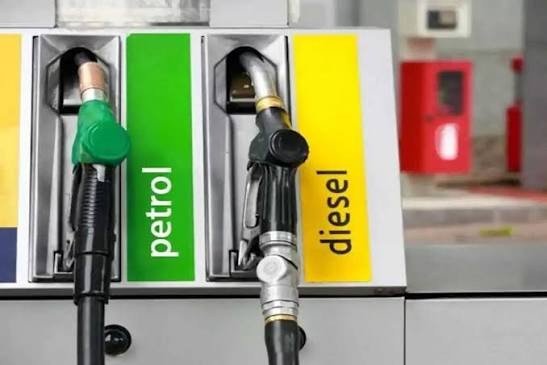
Fuel Costs Climb Again for UAE Motorists
Drivers across the UAE are digging a little deeper into their pockets this month after the country’s Fuel Price Committee confirmed a fresh round of increases for September 2026. The adjustment, which took effect from September 1, pushes petrol prices up by roughly 20 fils per litre, while diesel has jumped by a steeper 50 fils, marking one of the more noticeable monthly hikes in recent months.
Under the newly announced rates, Super 98 petrol now costs Dh3.80 per litre, up from Dh3.60 in August. Special 95, the grade most commonly used by everyday motorists, has risen to Dh3.69 per litre from Dh3.49. E-Plus 91 has increased to Dh3.61 per litre, up from Dh3.41. Diesel saw the sharpest jump of all, climbing to Dh4.30 per litre compared with Dh3.80 the previous month.
Why Prices Are Going Up
The UAE has followed a monthly fuel pricing mechanism since 2015, when it deregulated the sector to align domestic pump prices with international market movements. Under this system, the Fuel Price Committee reviews and announces new rates at the end of each month, with adjustments reflecting fluctuations in global crude oil benchmarks over the preceding weeks.
According to the committee’s latest announcement, petrol prices for September were adjusted upward by between roughly 5.56 percent and 5.87 percent depending on the grade, a shift that mirrors broader movements in international energy markets. Global oil prices have remained volatile in recent months amid ongoing geopolitical tensions in the wider Gulf region, adding pressure on the cost side of the ledger for fuel suppliers.
Deregulating fuel prices was originally intended to reduce the financial burden of subsidies on the UAE government while encouraging more efficient energy consumption. In practice, it means residents feel the effects of global oil market swings far more directly than they once did, with prices moving up or down each month rather than staying fixed for extended periods.
What It Means for Households and Businesses
For everyday commuters, the increase translates into higher monthly fuel bills, particularly for those who rely on private vehicles for daily commutes across sprawling cities like Dubai and Abu Dhabi. A driver filling a 60-litre tank of Special 95, for instance, will now pay roughly Dh12 more per fill-up compared with August rates.
The impact is likely to be felt more acutely by businesses that depend heavily on transportation and logistics. Delivery companies, taxi operators, and haulage firms operating diesel fleets face a steeper cost increase given diesel’s larger jump this month. Industry observers note that these added costs often filter through to consumers indirectly, via delivery fees or adjusted service charges, particularly in sectors where fuel represents a significant share of operating expenses.
Retailers and small business owners who rely on delivery services for e-commerce operations may also see marginal cost pressures as courier companies factor in higher fuel expenses. While the UAE’s overall inflation environment has remained relatively contained compared with global peers, incremental fuel price increases add to the broader cost-of-living conversation that many residents have been tracking closely.
A Pattern Residents Have Grown Used To
For UAE residents, monthly fuel price announcements have become something of a routine checkpoint, watched closely by commuters, transport operators, and even casual observers curious about where global oil markets are heading. Petrol stations across Dubai reportedly saw a rush of activity in the final hours before the new rates took effect on August 31, as some motorists topped up their tanks to beat the increase, a now-familiar pattern that repeats most months when prices are expected to rise.
Financial analysts point out that while month-to-month fluctuations can feel significant to individual drivers, the UAE’s fuel pricing mechanism has generally proven effective at keeping domestic prices broadly aligned with international trends without the sharp shocks seen in markets without a structured monthly review system.
Looking Ahead
With energy markets remaining sensitive to developments across the wider Gulf region, further fluctuations in UAE fuel prices are likely in the months ahead. The Fuel Price Committee is expected to announce October’s rates in the final days of September, following the same monthly review process that has governed pump prices for nearly a decade.
For now, UAE residents will need to factor the higher September rates into their monthly budgets, whether that means adjusting commuting habits, exploring public transport alternatives, or simply absorbing the modest increase as part of the ongoing rhythm of the country’s deregulated fuel market. Next Article


Comments 2