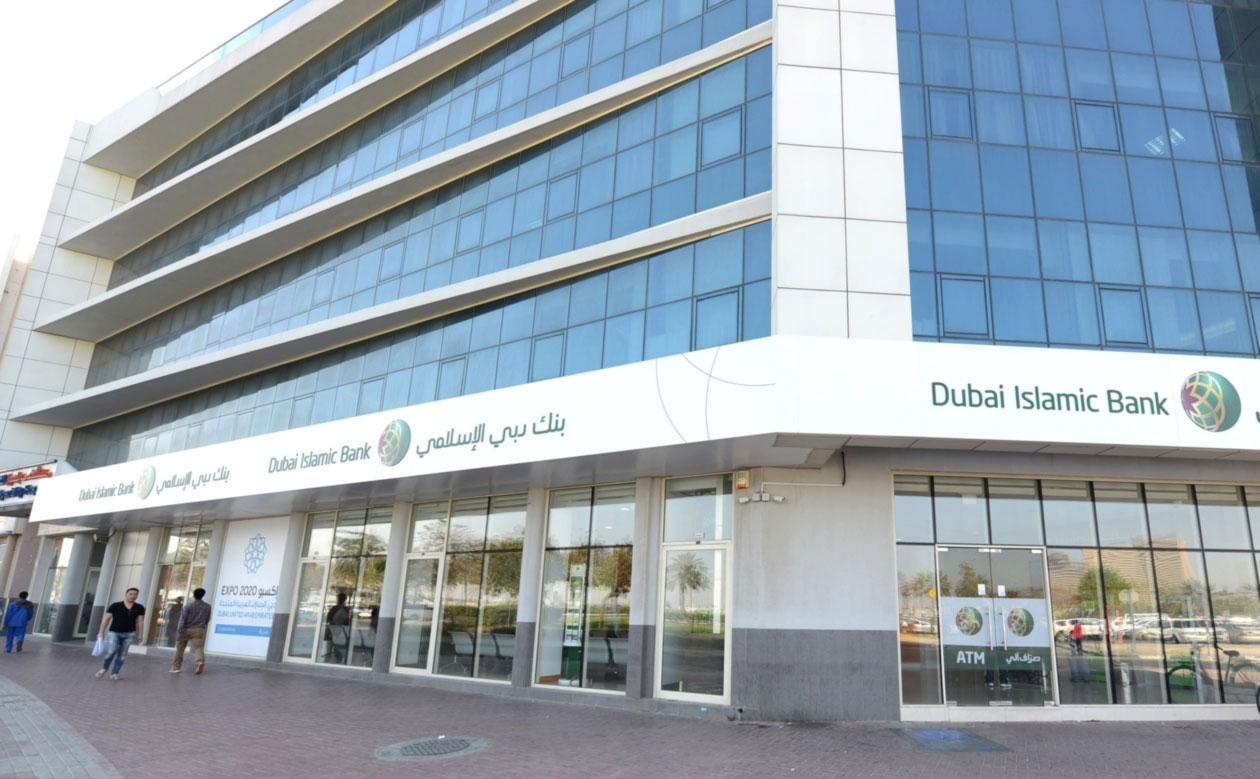
Dubai is reportedly exploring whether to bring together two of its best-known Islamic lenders, in a move that would reshape the emirate’s Sharia-compliant banking landscape.
Officials have held preliminary talks about combining Dubai Islamic Bank (DIB) with Emirates Islamic Bank, according to a Bloomberg report published on Monday that cited people familiar with the matter. The aim, the report said, would be to create a Sharia-compliant lender better placed to compete globally.
Early days, and no guarantees
The sources, who spoke anonymously because the discussions are confidential, stressed that nothing has been decided and that a transaction may never materialise. Neither bank had publicly commented on the report at the time of writing.
That caution matters. Merger speculation in Gulf banking has a long history of false starts, and early-stage conversations often end without a deal. Readers should treat the report as a signal of strategic thinking in Dubai rather than a confirmed transaction.
Who the two banks are
DIB is the UAE’s largest Islamic lender and a long-established name in Dubai’s financial community. Emirates Islamic has traditionally operated as the Islamic banking arm of Emirates NBD, one of the country’s biggest banks. Both serve retail and corporate customers with products structured to comply with Sharia principles, such as profit-sharing and asset-backed financing instead of conventional interest.
Because the two have overlapping customer bases and product lines, a combination would be significant in size and visibility. It would also bring together institutions with different ownership structures and histories, which would likely make any deal complex to negotiate.
A familiar playbook
The report arrives in a region where bank consolidation has become a common strategy. DIB itself has been an acquirer before. In 2019, its board approved the purchase of Noor Bank, a deal described at the time as creating one of the largest Islamic banks in the world, with combined assets of nearly Dh275 billion. Around the same period, three Abu Dhabi lenders moved through their own merger after the capital’s two largest banks had been combined in 2017, and banks in Saudi Arabia, Kuwait and Bahrain also held talks.
The reasoning behind those deals has been consistent. Larger balance sheets can fund bigger projects, absorb shocks more easily and compete for international business. Islamic finance, in particular, is seen as a growth area, and Dubai has long marketed itself as a global hub for the industry.
Why Dubai might want scale
Several forces could be driving the discussion. Competition from regional and global lenders is intense, and the cost of technology, compliance and risk management rises with every year. A bigger Islamic bank could spread those costs across a larger customer base. Scale can also help in attracting international investors and in financing large infrastructure and corporate transactions.
There is also a timing element. The wider region is dealing with the economic effects of the Iran war, including higher energy prices and market volatility. Governments and institutions often look to strengthen financial systems when uncertainty is high, though the sources in this case did not link the talks to the conflict.
What it would mean for customers and shareholders
If a deal does progress, the practical questions are many. Customers would want to know what happens to accounts, branches and products. Shareholders would look at the valuation, the structure and the likely cost savings. Regulators would need to review the plan, and any decision would require approvals at several levels.
It is also unclear which entity would lead a combination, what the structure would be, or how brands would be handled. These are details that would emerge only if negotiations advanced.
What to watch
The key signals to watch are official statements from either bank, filings with the Dubai Financial Market, and any comment from Dubai authorities. Until then, the Bloomberg report stands as an indication that the idea is being studied, not that it has been agreed. For a sector where size increasingly shapes competitiveness, it is a story worth following.


Comments 1