UAE Mirrors Washington’s Latest Move
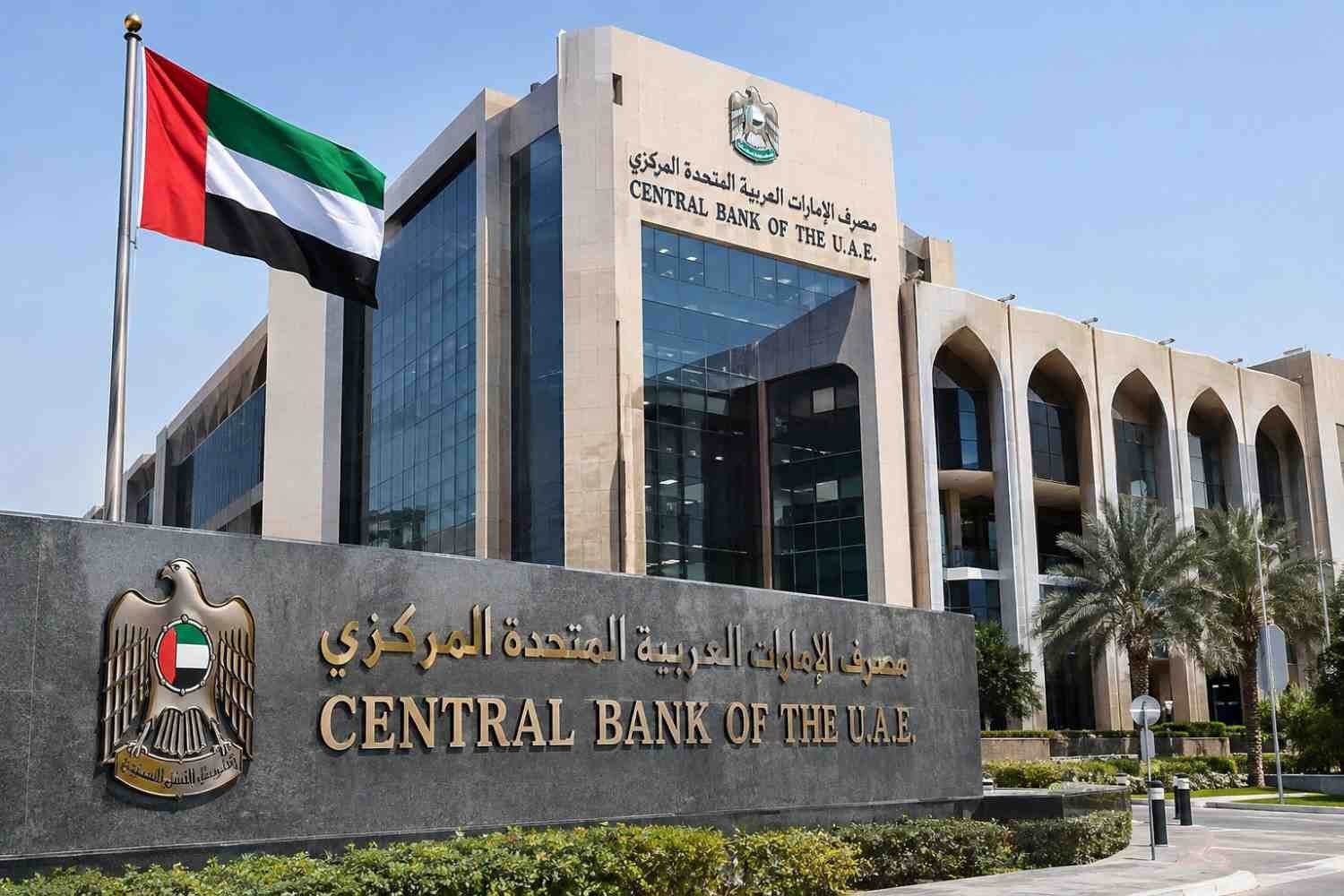
The UAE Central Bank moved swiftly this week to raise its Base Rate applicable to the Overnight Deposit Facility by 25 basis points, taking it to 3.90 per cent. The decision came hot on the heels of the US Federal Reserve’s own quarter-point increase, a move that had been widely anticipated by markets after a pause that stretched beyond three years.
The synchronised timing is no coincidence. Because the UAE dirham remains pegged to the US dollar, the Central Bank has long followed a policy of tracking the Fed’s rate decisions closely, a mechanism designed to preserve monetary stability and keep the local currency competitive on the world stage.
Why the UAE Has to Follow the Fed’s Lead
Financial experts say the link between Washington’s monetary policy and Abu Dhabi’s is almost mechanical given the currency peg. According to Vijay Valecha, Chief Investment Officer at Century Financial, the increase was largely priced in by markets well before it was announced, given how long the Fed had held rates steady. He noted that because the dirham tracks the dollar, the UAE Central Bank typically adjusts its Base Rate in step with the Fed’s own moves.
That Base Rate, which stood at 3.65 per cent before this week’s decision, plays an outsized role in the UAE’s financial system. It effectively anchors overnight money-market rates and closely influences EIBOR, the interbank benchmark that underpins the pricing of most loans across the country, from personal financing to corporate credit lines.
What It Means for Borrowers
For anyone with a variable-rate mortgage or a business loan tied to local benchmarks, the increase will not be felt immediately, but experts warn it is only a matter of time before it works its way through the system. Valecha explained that when the Base Rate rises, lending rates across the broader financial system tend to follow, adding that businesses already grappling with higher energy and shipping costs could face additional pressure on their bottom line from pricier borrowing.
Madhur Kakkar, founder and CEO of Elevate Financial Services, had forecast the exact scale of the move ahead of the Fed’s announcement, predicting the 25-basis-point rise that would push the UAE’s Base Rate from 3.65 per cent to 3.90 per cent. He pointed to the currency peg as the reason the Central Bank was almost certain to follow Washington’s lead closely.
The Numbers Behind the Rate Rise
To put the impact in concrete terms, Kakkar estimated that a full 25-basis-point increase on an outstanding mortgage of AED1.5 million, with 25 years remaining on the term, would add roughly AED210 to monthly repayments — translating to about AED2,500 in extra costs annually. For households already managing tight budgets amid rising living costs in cities like Dubai and Abu Dhabi, that additional burden, while gradual, is likely to be felt over time.
Savers Set to Benefit First
Not every consumer stands to lose out from the rate hike. Analysts note that those with savings accounts, fixed deposits and other interest-bearing products are typically the first to feel the benefits of a rising-rate environment, often seeing improved returns before borrowers experience the pinch of higher repayments. Kakkar specifically flagged that depositors are likely to see improved savings and term deposit returns sooner than borrowers face increased costs, giving cautious savers a modest silver lining.
Businesses Bracing for Tighter Credit Conditions
For companies operating in the UAE, particularly small and medium enterprises that rely on working capital loans and trade financing, the rate increase adds another variable to an already complex operating environment. Combined with elevated global shipping costs and energy price volatility, higher borrowing costs could squeeze margins further for firms that depend heavily on credit to manage cash flow.
Larger corporations with access to capital markets may be somewhat insulated, but smaller businesses without the same financial flexibility are expected to feel the impact of tighter credit conditions more acutely in the months ahead.
Eyes Now Turn to the Fed’s Next Moves
With this rate decision now behind them, analysts say attention will shift toward the Federal Reserve’s broader policy trajectory heading into 2027. Markets are particularly focused on whether US policymakers intend to maintain a “higher-for-longer” stance on interest rates, a scenario that would likely mean further incremental increases in the UAE’s own Base Rate as the Central Bank continues to track its US counterpart.
For now, UAE residents and businesses alike are being advised to factor the new rate environment into their financial planning, whether that means locking in fixed-rate products, adjusting loan repayment budgets, or simply taking advantage of improved returns on savings while they last.


