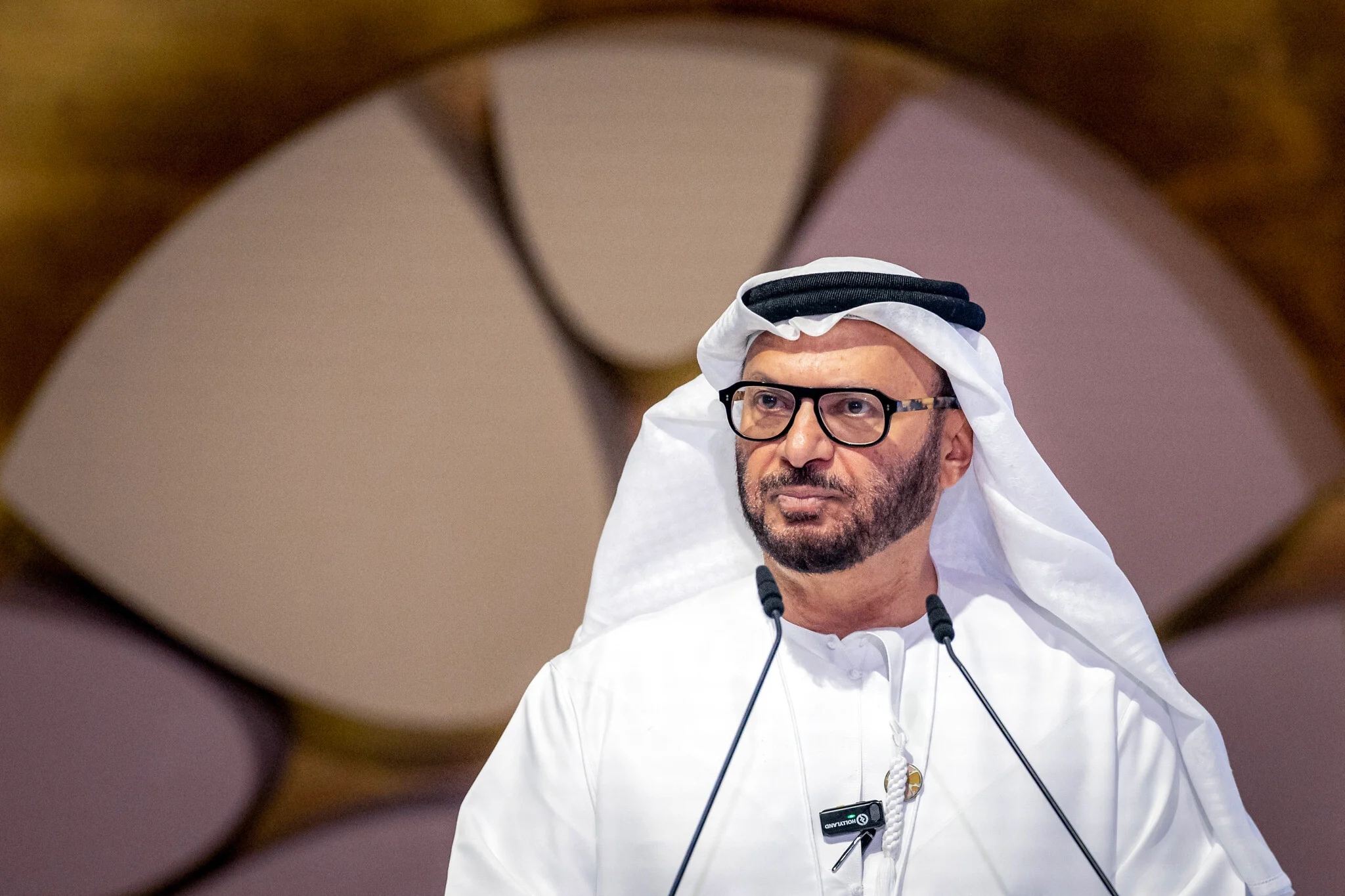
DUBAI — The UAE’s message on the Gulf crisis this week has two parts. It wants a diplomatic way out, and it is preparing in case there isn’t one.
Presidential adviser Anwar Gargash told the Manama Dialogue, the annual security conference in Bahrain, that the UAE continues to favour diplomacy but is “braced for the worst”. He also said that Gulf states have strengthened their national defences but have not yet shown enough collective coordination.
A candid assessment
The second point is the more unusual. Gulf governments tend to present a united front in public. Gargash’s remark that the response had not been collective enough acknowledges a gap between national capabilities and joint action, at a time when missiles, drones and attacks on shipping have affected several members of the Gulf Cooperation Council.
He did not set out in the reporting reviewed here what a more collective approach would involve. Past discussions in the region have covered shared early warning, integrated air defence and joint maritime security. Each requires states to share information and to give up some independence in decision-making, which has historically been difficult.
Washington after the midterms
The remarks came as the US midterm elections reshaped the political picture in Washington. Gulf News reported that results suggest President Donald Trump’s Republican party is set to lose control of the House and Senate. The final tally and its effect on policy toward Iran are not yet clear.
Several things can be said carefully. First, a change in congressional control does not by itself change the president’s authority as commander-in-chief. Second, US officials had warned allies that strikes on Iran could come after the election, and that has not been withdrawn. Third, analysts say the result may affect how much political room the White House has for a prolonged conflict. This report does not predict which way that will cut.
The military picture
On the ground and at sea, the situation remains tense. US officials said limited American strikes hit Iranian air-defence systems on Qeshm Island, the largest island near the Strait of Hormuz. Iran’s account differs. Saudi air defences intercepted and destroyed a ballistic missile launched toward the south of the kingdom, and civil defence alerts in Khamis Mushait, Abha, Taif and Najran were later lifted. Houthi claims of a drone strike on Abha airport and a missile strike on Khamis Mushait Air Base had not been independently confirmed.
Oil: a breather, not a verdict
Markets have drawn some comfort from talk of negotiations. Oil prices have eased on hopes of diplomatic progress, though the fall followed a draft proposal, not a signed agreement. UAE-based analysts quoted in coverage this week cautioned that lower crude does not mean freight charges or the prices of imported goods have returned to normal. Shipping and insurance costs tend to stay high until the risk to vessels has clearly fallen.
Flights: the practical effect
For travellers, the biggest change is the extension of Etihad’s Saudi suspensions. Gulf News and other outlets reported that the airline’s flights between Abu Dhabi and Riyadh, Jeddah and Dammam had been suspended through 5 November. Later reports said Riyadh and Dammam are now suspended further, with one outlet putting the new end date at 19 November. Etihad’s own travel update has listed some Dammam flights returning from 6 November and daytime Jeddah services continuing, while selected night-time Jeddah services stay cancelled.
Because these schedules change often, passengers should check the airline directly before travelling.
European carriers are returning in stages. British Airways resumed London–Dubai flights on 3 November. Lufthansa, SWISS and Eurowings are due back on 25 November, with Austrian Airlines following on 12 December. The European Union Aviation Safety Agency’s regional airspace bulletin remains in force until 16 November, advising operators to avoid certain areas over the Persian Gulf and to take care over land.
What residents should do
Official guidance has not changed. There has been no UAE-wide evacuation instruction or blanket airport closure reported for today. Residents are advised to follow official UAE announcements, avoid circulating unverified attack footage or social-media warnings, and confirm travel plans with their airline. Dubai Police and Abu Dhabi Police are also holding scheduled readiness drills this morning, which authorities describe as routine tests.
The balance the UAE is trying to strike
Gargash’s phrase captures the position. The UAE has said repeatedly that it wants a political settlement and has welcomed mediation by Qatar and others. It has also invested heavily in air defence and is working with partners on security. Neither track cancels the other.
What the next few days bring will depend on decisions in Washington and Tehran, on whether the draft proposals turn into an agreement, and on events at sea. For the UAE, preparation continues in parallel with diplomacy.


Comments 1