Iran Tightens Control Over Strait of Hormuz with New Vessel Permit System
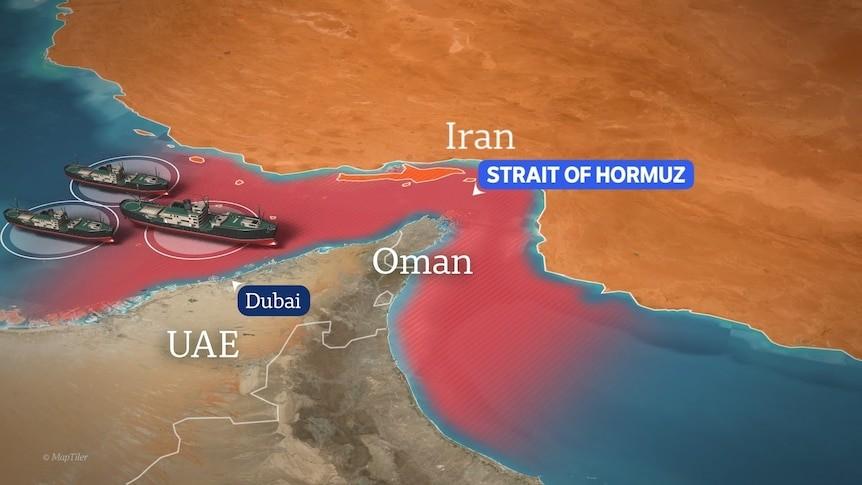
Iran has introduced a new system to regulate the movement of ships through the strategically vital Strait of Hormuz, marking a significant escalation in its control over one of the world’s most important energy corridors. The move comes amid ongoing geopolitical tensions and disruptions to global shipping routes in the region. A major shift in maritime control.
According to reports, Iranian authorities have established a fresh mechanism that requires all vessels intending to pass through the Strait of Hormuz to obtain prior approval. Ships must now comply with a set of regulations issued under this new framework before they are allowed to transit the waterway. Prior approval now required for all vessels.
As part of the system, Iran has created what is being described as a new “Strait Authority” or regulatory body that will oversee maritime traffic in the region. Under this arrangement, vessels are expected to receive instructions—reportedly via official communication channels such as email—detailing the rules for navigation and the conditions required for passage. A new Strait Authority oversees traffic.
The mechanism effectively gives Iran tighter oversight of ship movements through the narrow passage, which connects the Persian Gulf to the Gulf of Oman and is a crucial route for global oil and gas shipments. Ships will be required to follow designated routes and adhere strictly to the guidelines laid out by Iranian authorities. Tight oversight of one of the world’s key chokepoints.
In addition, reports indicate that vessels may also need to coordinate their transit with Iranian military forces, further underscoring the increased level of control Tehran is seeking to exert over the waterway. Coordination with Iranian military forces required.
The development comes at a time when traffic through the Strait of Hormuz has already been severely disrupted due to heightened tensions between Iran and the United States, along with broader regional conflicts. Shipping activity has dropped sharply in recent weeks, with only a fraction of the usual number of vessels able to pass through the strait. Shipping activity already severely disrupted.
The Strait of Hormuz is one of the world’s most critical maritime chokepoints, historically handling around 20% of global oil shipments. Any disruption or restriction in this route has immediate implications for global energy markets, supply chains, and shipping costs. A critical route for global oil shipments.
Iran’s decision to implement this new mechanism is widely seen as part of its broader strategy to assert control over the strait amid ongoing military and diplomatic tensions. In recent months, the region has witnessed incidents involving ship seizures, attacks on vessels, and the laying of sea mines, all of which have contributed to a decline in maritime traffic and heightened concerns among shipping companies. Part of Iran’s broader strategy.
The move is also likely to intensify tensions with Western powers, particularly the United States, which has maintained a military presence in the region to ensure freedom of navigation. Iran has reportedly warned foreign naval forces to stay out of the strait and has emphasized that all commercial traffic must adhere to its newly introduced system. Likely to intensify tensions with the US.
Analysts suggest that while the mechanism could bring a degree of order to ship movements under Iranian supervision, it may also create new challenges for international shipping companies. These include increased bureaucratic procedures, potential delays, and heightened risks associated with operating in a conflict-prone zone. New challenges for shipping companies.
Also Read: Fragile Peace: Russia and Ukraine Announce Separate Ceasefires Ahead of Victory Day
As the situation continues to evolve, the global maritime and energy sectors are closely monitoring developments in the Strait of Hormuz. The introduction of this new system highlights the growing strategic importance of the region and underscores how geopolitical tensions can directly impact global trade and energy security. Global maritime and energy sectors on alert. Iran tightens grip on the Strait of Hormuz. New permit system raises stakes for global shipping.


