Russia and Ukraine Announce Separate Ceasefires Ahead of Victory Day
Ukraine and Russia have announced separate ceasefires ahead of Moscow’s upcoming Victory Day celebrations, but the differing timelines have highlighted ongoing mistrust between the two sides despite the symbolic gestures toward de-escalation. A divided approach to a potential pause.
Russia declared a unilateral truce scheduled for May 8 and 9, coinciding with its annual Victory Day commemorations marking the Soviet Union’s triumph in World War II. The Kremlin said the ceasefire was intended to ensure security during the high-profile celebrations in Moscow and expressed hope that Ukraine would reciprocate the move. Russia’s unilateral truce for Victory Day.
However, Ukraine responded by announcing its own ceasefire on a different timeline. President Volodymyr Zelensky said Kyiv would begin its truce earlier, starting around May 5 or 6, effectively proposing a longer pause in hostilities. Ukrainian officials indicated they were open to extending the ceasefire further if Russia demonstrated genuine commitment to halting the fighting. Ukraine’s longer, earlier ceasefire proposal.
The competing announcements have underscored the lack of coordination between the two countries, even when proposing temporary halts in combat. Analysts suggest that while both sides are signaling a willingness to reduce violence, their differing approaches reflect strategic calculations rather than a unified push toward peace. A lack of coordination and strategic calculations.
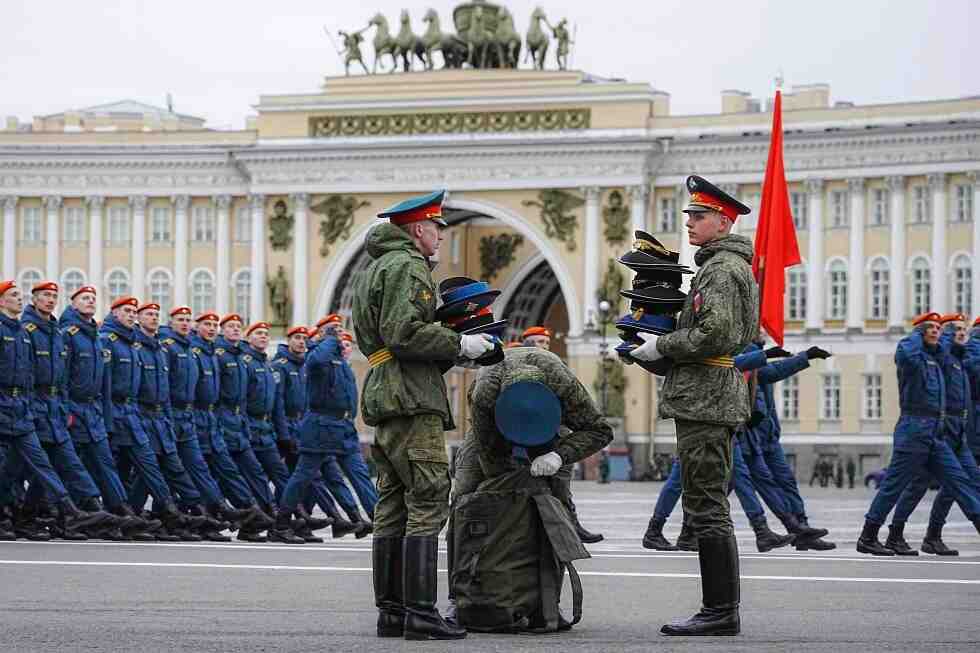
Russia’s ceasefire is closely tied to Victory Day, one of the country’s most significant national events, which typically features a grand military parade in Moscow. This year, heightened security concerns and the ongoing war have already led to scaled-back celebrations and tighter protective measures. Victory Day security concerns.
At the same time, tensions remain high on the battlefield. Recent days have seen continued missile and drone attacks, with both sides accusing each other of escalating violence even as ceasefire proposals are being discussed. Ukrainian officials have expressed skepticism about Moscow’s intentions, arguing that short-term pauses linked to symbolic dates do little to advance a lasting peace settlement. Skepticism over short-term pauses.
Russia, meanwhile, has warned that any attempt to disrupt Victory Day events could trigger a strong military response, including potential strikes on key targets. Such statements have further complicated the situation, raising concerns about whether the proposed ceasefires will hold in practice. Russia warns of strong response to disruptions.
The development reflects a broader pattern seen throughout the conflict, where temporary truces are often announced around religious or historical occasions but fail to produce sustained reductions in fighting. Previous ceasefire attempts have frequently been marred by violations and mutual accusations, limiting their effectiveness. A pattern of temporary, fragile truces.
As Moscow prepares for its May 9 celebrations, the parallel ceasefire announcements highlight both the possibility of brief pauses in hostilities and the deep divisions that continue to hinder any comprehensive peace agreement between Ukraine and Russia. Brief pauses, deep divisions remain. Separate ceasefires, shared mistrust. Victory Day brings temporary truces.


