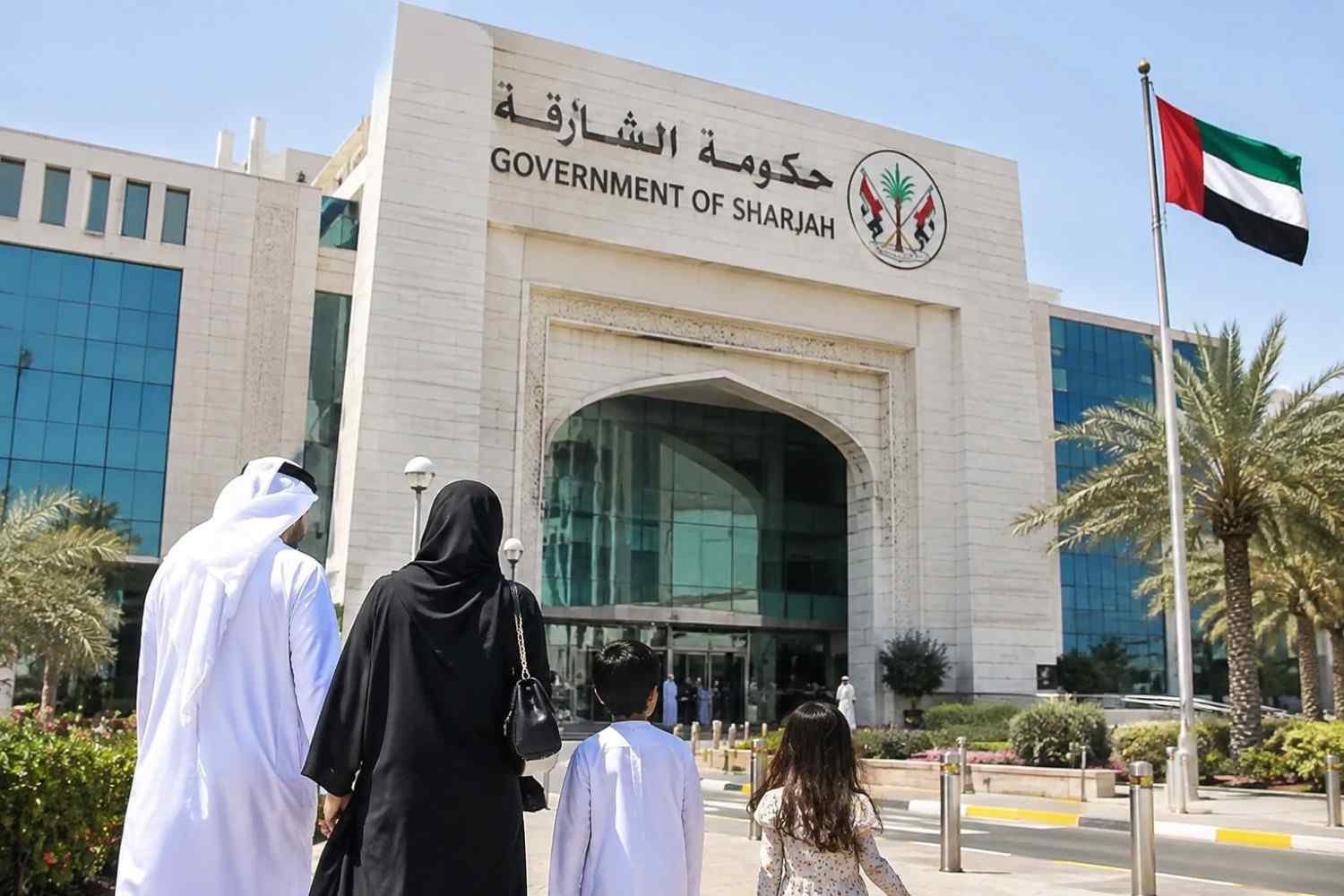
Sharjah Sets New Bar for Government Pay With Dh20,000 Living Standard
In one of the more consequential domestic policy moves to come out of the UAE this month, His Highness Dr Sheikh Sultan bin Mohammed Al Qasimi, Ruler of Sharjah, has approved raising the emirate’s minimum monthly living allowance to Dh20,000, a decision that reaches deep into the emirate’s public sector workforce, its retirees and thousands of families already receiving government support.
The directive, which took effect from the start of September, follows what officials describe as in-depth studies into the actual monthly cost of living faced by Emirati families — from housing and food to the broader basket of household needs that has grown more expensive in recent years.
Who Benefits, and How Much It Costs
The scale of the package is unusually broad. According to figures released alongside the announcement, 17,776 Sharjah government employees will see their allowances rise under the new policy, at an annual cost to the emirate exceeding Dh720 million. A further 6,652 families currently receiving social assistance through the Sharjah government will benefit, at an annual cost of roughly Dh195 million.
Retirees have not been left out. Some 2,251 people who retired from Sharjah government service will see their allowances increase, at a cost of just over Dh113 million a year, while 5,300 citizens who retired from entities outside the Sharjah government but receive supplementary grants will also benefit, adding close to Dh159 million to the annual bill. Taken together, the total annual cost of the decision comfortably exceeds Dh1.18 billion.
Sheikh Sultan addressed the scope of the increases directly during a call-in segment on a local radio programme, stressing that every government employee, regardless of existing salary level, would see an increase under the new policy — a detail aimed at heading off any perception that the boost was targeted narrowly at lower earners alone.
Part of a Wider Pattern
This is not an isolated gesture. Sharjah’s government has, over the past year, rolled out a series of measures aimed at strengthening the financial position of citizens and government staff, including new hiring rounds for Emiratis, promotions across departments such as the judicial administration, and a reworked pension and end-of-service framework for military personnel. Officials have framed the latest allowance increase as a continuation of that broader push rather than a standalone announcement.
For new entrants to Sharjah government service, the effect is equally visible. Starting monthly salaries for graduates have been lifted, as have entry-level salaries for those joining straight from school — a segment of the workforce that had previously started on notably lower pay.
Why It Matters Beyond Sharjah
While the policy is specific to Sharjah, its implications ripple across the wider UAE conversation about cost of living. The other emirates have periodically adjusted public-sector pay and benefits in recent years, and a move of this scale from Sharjah — the UAE’s third-largest emirate by population — is likely to be watched closely by policymakers and residents elsewhere as a signal of how governments across the country are responding to rising household costs.
For the families and employees directly affected, the practical impact will show up in monthly pay cheques and support payments from this month onward. For Sharjah’s public finances, it represents one of the largest recurring social spending commitments the emirate has made in recent memory — a bet, in effect, that investing over a billion dirhams a year in its citizens’ baseline standard of living pays long-term dividends in stability, retention of skilled workers, and quality of life.
Whether other emirates follow with comparable measures remains to be seen. For now, Sharjah has set a new benchmark, and thousands of residents are already feeling the difference in their bank accounts.


Comments 1