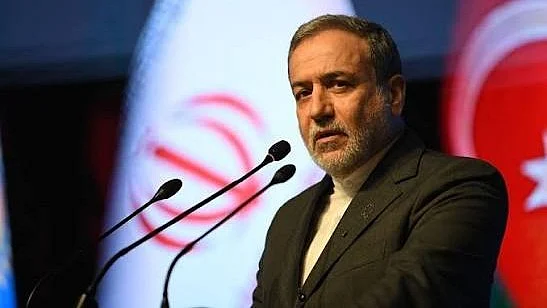
Iran said on Wednesday that it has received Washington’s formal reply to its plan for ending the war and reopening the Strait of Hormuz. State media reported that the response came days after President Donald Trump publicly turned the plan down. It is the first concrete sign of movement after a week of hardening rhetoric.
The result matters well beyond Tehran and Washington. Every country on the Gulf, the UAE included, has felt the war in its energy prices, its shipping lanes and its security planning.
What Tehran has said
Foreign Minister Abbas Araghchi received the American reply through Qatari mediators and presented it to President Masoud Pezeshkian at a cabinet meeting, according to government spokeswoman Fatemeh Mohajerani. The government has not published the contents.
US media reports describe Tehran’s original plan as a seven-day ceasefire combined with a phased reopening of the strait, and say Washington has answered with a counterproposal that Iran is now weighing. Earlier in the day, Reuters reported that the two sides disagree over the order in which the steps in that plan should happen.
Where the negotiations stand
After seven months of conflict, indirect talks between the two countries resumed last week on the sidelines of the UN General Assembly. There have been no face-to-face negotiations, and messages travel through intermediaries, with Qatar playing the leading role.
Iran says it has set out seven conditions for ending hostilities. They include a ceasefire across the region, including in Lebanon, the release of Iranian assets frozen abroad, relief from sanctions on its oil sector and an end to the US naval blockade. Not all of the conditions have been made public.
Mediators kept working on a deal even after Mr Trump’s public rebuff, according to officials who asked not to be named, while the American administration continues to press economic pressure on Tehran. Mr Trump has said the war will end “very soon”, while Iran’s Revolutionary Guards have called the American campaign a failure.
A tense backdrop
The diplomacy is unfolding under pressure. On Tuesday, Iran threatened to attack infrastructure across the Middle East while it waited for Washington’s answer. The Revolutionary Guards also insisted that the American claim that the strait remains open is false.
Shipping incidents continue. The UK Maritime Trade Operations centre issued a warning on Wednesday about an LNG tanker struck by an unknown projectile in the strait, in a report dated Tuesday.
Qatar, the main mediator, has urged calm. Its foreign ministry spokesman said the current effort is about building common ground and called on Iran to take a clear position of non-aggression towards its neighbours. the UAE
The waterway carried about a fifth of the world’s oil and liquefied natural gas before the conflict began, so any change in its status reaches UAE households quickly. Fuel prices in the country rise from 1 October, with Super 98 petrol going to Dh4.40 a litre. Oil touched $107 in the run-up to that announcement, and gold traders in Dubai are watching the talks closely.
The UAE has also been vocal in diplomacy this week. At the UN General Assembly on Monday, Minister of State Khalifa Al Marar urged countries to build rather than destroy, and stressed freedom of navigation through international waters. He also repeated the UAE’s call for a peaceful settlement of the dispute over three Gulf islands, a claim Iran’s UN representative rejected the next day as not negotiable.
What to watch next
Three questions will decide whether this exchange leads anywhere. The first is whether Tehran accepts the American counterproposal or answers with amendments. The second is how the two sides settle the sequencing dispute, since each wants its concerns handled first. The third is whether incidents at sea and threats against infrastructure derail the process before it gathers pace.
Officials on both sides have been careful in public, and details remain thin. Until Iran’s response is formally delivered, energy markets, airlines and Gulf governments will keep reading each statement for clues.


Comments 1