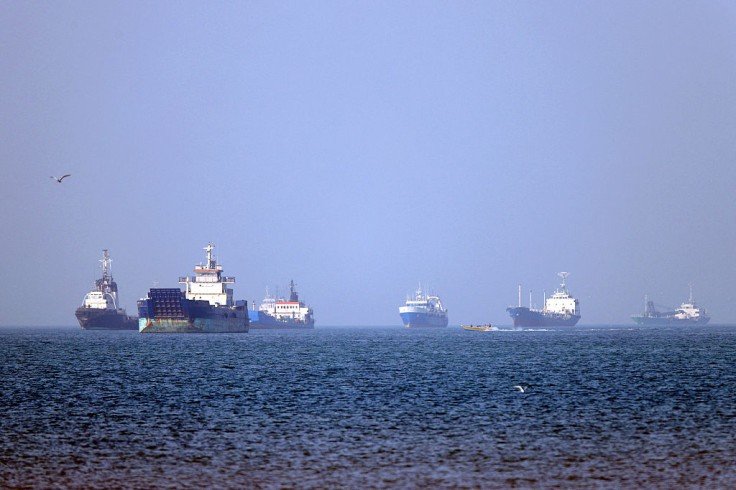
Global oil markets are once again taking their cues from the Strait of Hormuz, as a record volume of crude moved through the narrow Gulf waterway this week even as the conflict between the United States and Iran shows no sign of easing.
Data reviewed on Friday showed roughly 40 vessels carrying a combined 18 million barrels of oil transiting the strait, a chokepoint through which a significant share of the world’s seaborne crude passes daily. The figure marks one of the busiest stretches for tanker traffic through the waterway since the conflict began, even as fresh US strikes on Iranian targets flared again earlier this week.
Prices swing, then steady
The scale of that traffic, moving under US military escort, appeared to help calm nerves in the oil market, at least temporarily. Brent crude slipped 1.3 per cent to $95.52 a barrel in early Asian trading on Friday morning, as reports emerged that more tankers were successfully navigating the strait and that Iran’s capacity to harass shipping in the waterway had been degraded. By late morning in Tokyo, however, prices had already recovered, climbing back to $95.69 a barrel — underscoring just how quickly sentiment can shift on any fresh signal from the conflict zone.
That volatility captures the broader dynamic that has defined oil markets for much of the past seven months: traders are pricing in genuine supply risk from a live conflict zone, while also responding to evidence that shipping through Hormuz has, so far, continued to function despite repeated flashpoints.
A conflict now well into its seventh month
The backdrop to this latest bout of price movement is a US-Iran conflict that has now stretched into its seventh month, with President Donald Trump again moving to reassure markets and allies of Washington’s ability to sustain the campaign, citing what he described as virtually unlimited ammunition supplies for US forces. That statement came even as some reporting has suggested the extended pace of operations has placed pressure on certain categories of US weapons stockpiles — a tension that continues to feed uncertainty in energy markets about how long, and how intensely, the conflict might continue.
For a market as sensitive to geopolitical risk as oil, the contested nature of information coming out of the conflict zone has become a challenge in its own right. Conflicting accounts of strikes, interceptions and shipping incidents have made it increasingly difficult for traders, and residents across the Gulf, to separate verified developments from noise circulating on social media.
Why this matters for the UAE
For the UAE, the stakes in Hormuz traffic extend well beyond headline oil prices. As a major regional shipping and logistics hub, the country has a direct interest in ensuring the strait remains navigable, and its officials have consistently urged residents and businesses to rely on verified statements from UAE authorities rather than unconfirmed reports when assessing risk. The UAE has previously and firmly denied Iranian claims that its Al Minhad Air Base had come under attack, a reminder of how easily unverified claims can circulate during periods of heightened tension.
Beyond the direct energy trade, the ripple effects of Hormuz volatility are also being felt in aviation, insurance and freight costs across the wider Gulf, compounding the disruption already being experienced by airlines and shippers navigating the region.
Looking ahead
With record tanker volumes moving successfully through the strait this week, some analysts see early signs that shipping operators and the US military escort effort are adapting to the security environment. But with the underlying conflict unresolved and prices still swinging on every fresh headline, few in the market are treating this week’s relative calm as anything more than temporary. For now, Hormuz remains what it has been for much of this year: the single most important pressure point for global energy markets, and a barometer of how the wider conflict is likely to evolve in the weeks ahead. Next Article


