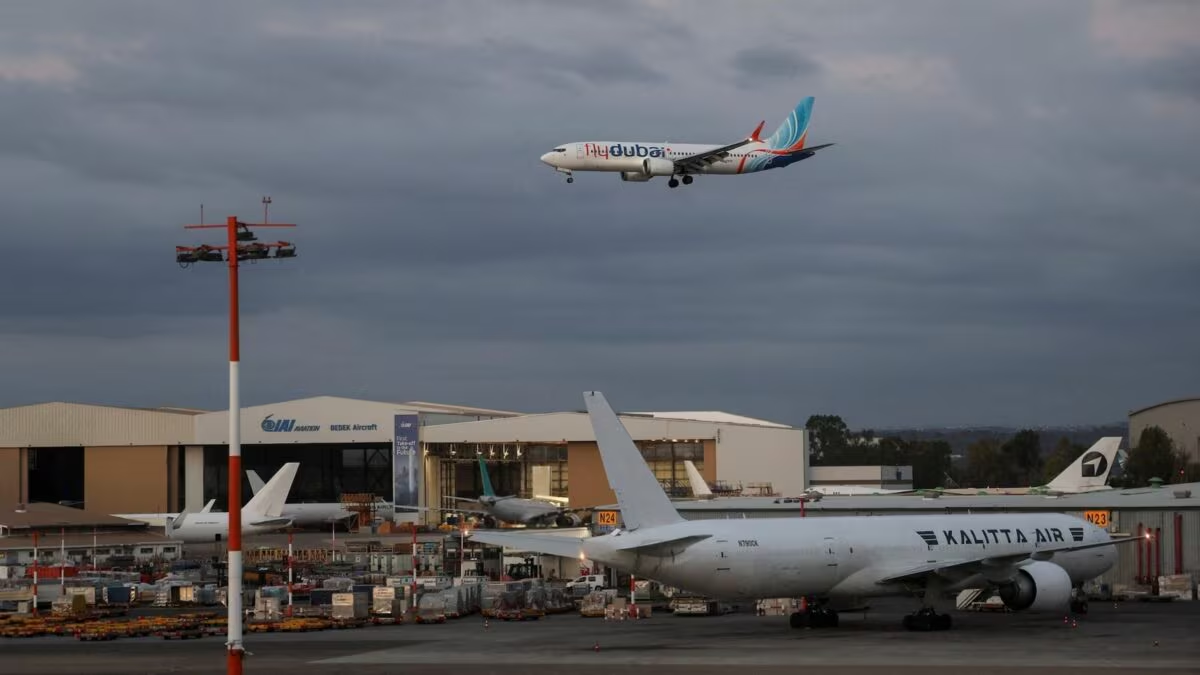
Air passengers across the UAE contended with cancellations and delays on Thursday as the fallout from a deadly attack on a Saudi airport spread through regional travel networks.
The Saudi General Authority of Civil Aviation said King Fahd International Airport in Dammam was targeted on Wednesday evening, killing one person and injuring eight others. On Thursday, the authority said the death toll had risen to two. It said flight operations at the airport had resumed by the morning.
What happened in Dammam
The authority did not describe the type of weapon used or assign blame in its statement. Other reports pointed to Iran-backed Houthi forces, who in recent weeks have attacked Saudi airports and other infrastructure. The injured are of several nationalities, and damage at the airport is still being assessed.
The airport has been hit more than once this month. Saudi authorities also said two people died on Wednesday when debris fell after air defences intercepted a drone aimed at an Aramco facility at the Shaybah oilfield.
Cancellations from the UAE
Flight listings published by Gulf News on Thursday showed the knock-on effects for UAE travellers:
- All six listed flydubai flights between Dubai and Riyadh were cancelled, three in each direction.
- Among the listed Emirates services to Saudi Arabia, only Medina flights were operating.
- flydubai cancelled several other services to and from Saudi Arabia, including those to Abha, Dammam and Ha’il.
- Emirates cancelled its Dubai–Moscow flight EK129 for operational reasons.
- The Emirates and flydubai codeshare operations to and from Tel Aviv remain suspended until further notice.
Delays affected arrivals at both major UAE hubs. At Zayed International Airport in Abu Dhabi, flights from Pakistan, India, Kenya and Thailand were running late. At Dubai, arrivals from Russia, Saudi Arabia, India and Central Asia were delayed. Carriers with delayed services included SpiceJet, IndiGo, UTair and flydubai.
There was one piece of positive news for travellers: Philippine Airlines announced it is resuming its Dubai route.
Diplomatic repercussions
The attacks coincided with a diplomatic move from Washington. The US State Department ordered non-emergency government employees and their family members to leave Saudi Arabia, citing intensified Houthi hostilities, including attacks on civilian airports and other critical infrastructure that have caused casualties and travel disruption.
Reports on Wednesday suggested the measure might extend further. Diplomatic sources quoted by AFP said US missions in the UAE, Jordan, Qatar and Bahrain would also direct family members to leave. State Department spokesman Tommy Pigott rejected that reading, saying the order applies to Saudi Arabia only. The department did say, however, that other embassies in the Gulf would undergo temporary staffing adjustments.
The US embassy in Riyadh was badly damaged earlier in the year during the wider conflict involving Iran and operated with a skeleton staff for months. The State Department also now requires US government employees to get special permission before travelling through Saudi airports.
A pattern of disruption
The latest incident is part of a series. Over the past two weeks, Saudi airports in Riyadh, Abha and Dammam have been hit or targeted, and several international airlines have suspended or trimmed services. Earlier this month, reports said Lufthansa Group had halted flights to Riyadh until 18 November, while Air India and Air India Express suspended flights to Riyadh, Jeddah and Dammam until 24 October. Schedules continue to change, and not every suspension has been updated.
For the UAE, the practical effect is felt chiefly on the busy Gulf corridors linking Dubai and Abu Dhabi with Saudi cities, which serve business travellers, pilgrims and a large expatriate workforce. Next Aricle


