The Emirates Times

Linkedin Twitter Facebook Tumblr

The Emirates Times

– Make It Happen
Enquire Now
Menu
  • HOME
  • INTERVIEW
  • UAE
  • GULF NEWS
    • Dubai
    • Jordan
    • Bahrain
    • Abu Dhabi
    • Saudi Arabia
    • Oman
  • BUSINESS
  • TECHNOLOGY
  • LIFESTYLE
  • EVENT
  • SUCCESS STORIES
  • METAVERSE

The Emirates Times

– Make It Happen
Menu
  • Home
  • Interview
  • UAE
  • Gulf News
    • BUSINESS
    • Dubai
    • Jordan
    • Saudi Arabia
    • Abu Dhabi
    • Bahrain
    • Oman
  • Technology
  • Lifestyle
    • Biography
    • EVENT
  • Metaverse
Home Gulf News

Turkey Near Joining Saudi-Pakistan Defense Pact, Forming Potential “Islamic NATO”

January 14, 2026
in Gulf News, Saudi Arabia, WORLD
0 0
0
Saudi

Saudi


Table of Contents

Toggle
  • Turkey’s Potential Entry Could Transform Saudi-Pakistan Pact into an “Islamic NATO”
    • The Foundation: A Bilateral Pact with NATO-Style Language
    • A Triad of Complementary Military Strength
    • Strategic Motivations: Hedging and Independence
    • Improved Relations Paving the Way
    • Existing and Expanding Military Cooperation
    • Broader Geopolitical Implications
    • Conclusion: A New Security Architecture in the Making

Turkey’s Potential Entry Could Transform Saudi-Pakistan Pact into an “Islamic NATO”

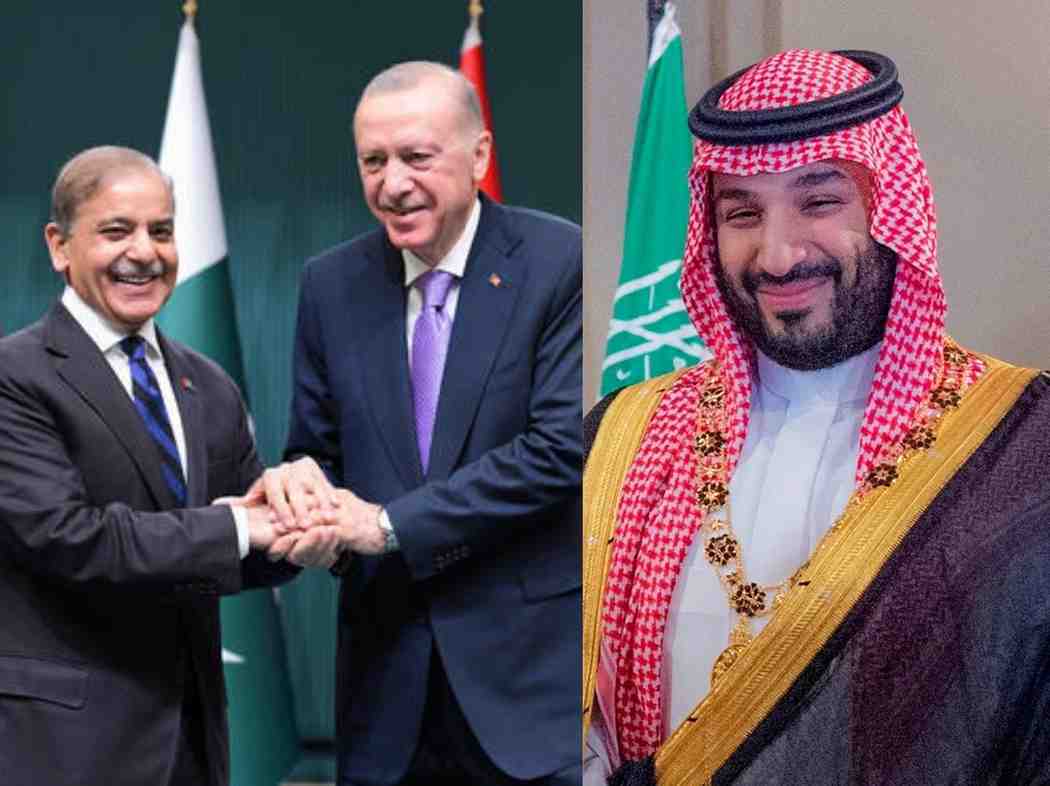
A significant shift in regional security is on the horizon as Turkey moves closer to joining a mutual defense pact between Saudi Arabia and Pakistan. This expansion could create a powerful trilateral bloc analysts are describing as a potential “Islamic NATO,” reshaping power dynamics across the Middle East and South Asia.

The Foundation: A Bilateral Pact with NATO-Style Language

The core agreement, signed in September 2025, binds Saudi Arabia and Pakistan in a commitment where “any aggression” against one is treated as aggression against both—language mirroring NATO’s Article 5. Turkey’s accession would transform this into a broader, more formidable alliance.

A Triad of Complementary Military Strength

Each nation brings distinct, powerful assets to a combined defense framework:

  • Saudi Arabia: Financial resources and political influence in the Gulf and Islamic world.

  • Pakistan: Nuclear deterrence, ballistic missiles, and a large, experienced military.

  • Turkey: Advanced military capabilities, a robust defense industry, and NATO-member infrastructure.

Strategic Motivations: Hedging and Independence

The pact serves key strategic goals for all parties:

  • Saudi Arabia & Pakistan: It formalizes a decades-long security relationship into a binding mutual defense framework.

  • Turkey: It represents a move towards strategic autonomy, allowing Ankara to advance its security interests beyond traditional Western alliances amid perceived uncertainties in U.S. commitments.

Improved Relations Paving the Way

Turkey’s potential entry reflects significantly improved ties between Ankara and Riyadh after years of rivalry. Recent diplomacy, joint exercises, and trade have repaired relations, enabling deeper security cooperation. The pact is not framed as anti-Iran, as both Turkey and Saudi Arabia generally favor engagement with Tehran.

Existing and Expanding Military Cooperation

Substantial defense collaboration already exists:

  • Turkey-Pakistan: Joint naval projects, F-16 upgrades, and UAV technology sharing.

  • Saudi-Turkey: Discussions on Saudi involvement in Turkey’s Kaan fifth-generation fighter jet programme.

Broader Geopolitical Implications

This emerging bloc occurs amid heightened regional tensions. It signals a more assertive posture by key Muslim-majority states in managing shared security concerns, from South Asian rivalries to Middle Eastern instability. For Pakistan, it strengthens deterrence; for Saudi Arabia, it provides security assurances; for Turkey, it expands influence.

Also Read: US Designates Muslim Brotherhood Chapters in Egypt, Jordan, Lebanon as Terrorist Organizations

Conclusion: A New Security Architecture in the Making

While the final details of Turkey’s accession are pending, the potential trilateral pact marks a pivotal moment. It points to a new phase of defense cooperation in the Islamic world, challenging existing security paradigms and potentially creating a NATO-like security umbrella that could redefine geopolitical alignments for years to come.

Tags: #Defense#Geopolitics#GulfNews#IslamicNATO#SaudiArabia#Turkey
ShareTweetSend
Next Post
INSV Kaundinya

INSV Kaundinya Completes Maiden Voyage to Oman: A Tribute to Ancient Indian Seafaring

No Result
View All Result

Latest Posts

U.S.
Gulf News

U.S. Deploys 50+ Fighter Jets to Middle East Including F-22, F-35 Amid Iran Nuclear Talks in Geneva

by Shivam Chaudhary
February 18, 2026
0

U.S. Sends Over 50 Fighter Jets to Middle East Amid Iran Nuclear Negotiations Washington, D.C. — The United States has significantly...

Read more
Australia

Australia T20 World Cup 2026 Qualification Scenarios: What Australia Must Do to Reach Super 8s

February 17, 2026
Bed Space for Rent

Bed Space for Rent in Dubai: Why Shared Living Is Becoming the Smart Choice

February 17, 2026
Bahrain

Bahrain National Aviation Strategy 2026-2027 Unveiled: 100 Global Destinations Target by 2030

February 17, 2026
Google

Google Chrome Urgent Update: Patch High-Severity Zero-Day Flaw Exploited by Hackers

February 16, 2026

Follow Us

The Emirates Times

– Make It Happen
The Emirates Times is an English Language Internet media with a significant focus on business, technology, news, entrepreneurship, leadership, innovation, prominent business personalities, and many more, majorly in the GCC region. Further, the company publishes interviews, news, business content, press releases, etc. This platform also publishes about real estate, sports, metaverse, business ideas, and more.
Linkedin Twitter Facebook Tumblr

Important links

  • HOME
  • INTERVIEW
  • UAE
  • GULF NEWS
  • TECHNOLOGY
  • LIFESTYLE
  • METAVERSE

Contact Us

  • sales@theemiratestimes.com
  • +91-70-6556-6556

© 2024 theemiratestimes