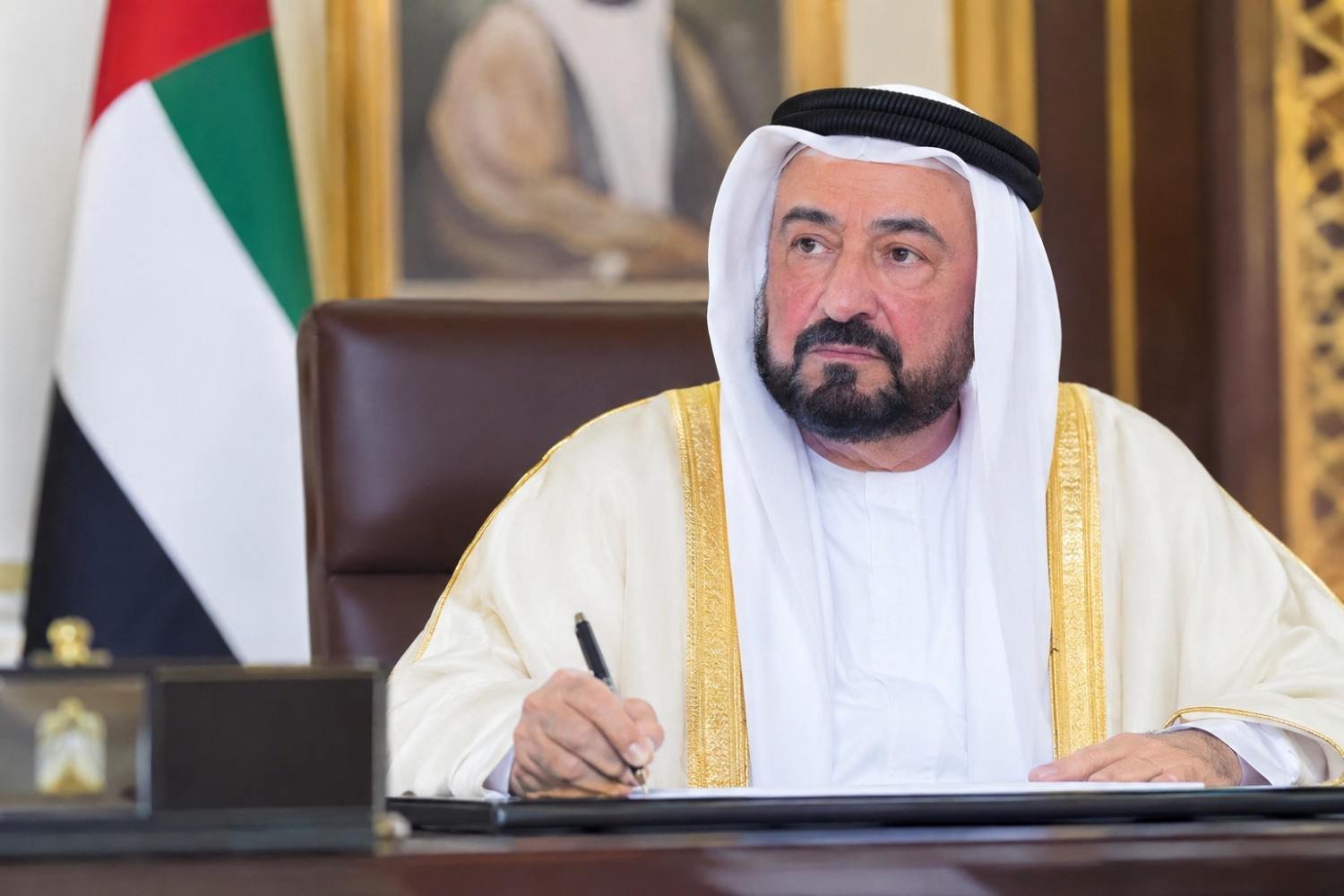
Sharjah has unveiled a new government initiative designed to bring retired citizens back into the workforce, not for the income alone, but for the sense of purpose and social connection that comes with it. His Highness Sheikh Dr Sultan bin Muhammad Al Qasimi, Member of the Supreme Council and Ruler of Sharjah, has approved a flexible part-time employment system that will open government roles to senior citizens, their spouses and other retirees across the emirate.
The scheme, unveiled this week, gives eligible seniors two ways to participate. They can either work three non-consecutive days a week, or commit to shorter daily shifts of one to two hours, depending on their physical ability and personal preference. The idea is not to create a new pool of full-time employees, but to give older residents a reason to leave the house, interact with the public and stay socially engaged during their later years.
Speaking on Sharjah Broadcasting Authority’s Direct Line programme, Sheikh Dr Sultan explained the thinking behind the initiative in personal terms. He said the goal was to help senior citizens who might otherwise feel they have little to look forward to get out, see the world around them, meet people and interact with visitors and customers once again, all while earning a wage for their time. He described the roles as intentionally undemanding, offering the example of ticket-checking duties at Sharjah’s museums, where a retiree could sit comfortably in an air-conditioned setting, greet visitors, tear tickets and hand them back before guests enter.
Notably, the Ruler said the programme sits outside the normal financial and administrative frameworks used by the Human Resources Department, describing it instead as a bespoke system he developed personally to serve a specific social purpose rather than a staffing need.
Wider package of benefits
The part-time employment scheme was announced alongside a broader set of financial measures aimed at Sharjah’s government workforce. Sheikh Dr Sultan approved a pay rise for 3,270 senior government employees, capped at an annual cost of AED 160 million, along with higher pension payments for 1,470 retirees, calculated according to their previous employment grade.
In addition, the Ruler authorised a AED 60 million increase in support for 1,473 beneficiaries of social services across the emirate. These increases apply uniformly across Sharjah’s centralised and decentralised government entities, including public universities, ensuring the benefits reach a wide cross-section of the public sector workforce.
The announcement builds on an earlier decision reported last week, in which Sheikh Dr Sultan approved a monthly minimum wage of AED 20,000, equivalent to roughly $5,445, for government employees in the emirate. Together, the measures paint a picture of a coordinated push to strengthen public sector pay and benefits at a time when the cost of living remains a pressing concern for many Gulf households.
Emiratisation targets
Alongside the retiree scheme, Sheikh Dr Sultan has directed Sharjah’s recruitment bodies to accelerate hiring of UAE nationals for the remainder of 2026. The emirate is targeting 1,200 new Emirati hires in the coming months, part of a broader plan to reach 3,000 UAE nationals working in Sharjah’s public sector, a target the government aims to hit by the end of the year. At the start of 2026, Sharjah’s government employed roughly 1,800 Emiratis, meaning the new push represents a substantial acceleration in nationalisation efforts.
A model for active ageing
Public policy experts in the region have long pointed to active ageing programmes as a way to combat isolation and support wellbeing among older residents, particularly in societies where extended family structures are evolving and traditional support networks are shifting. Sharjah’s approach appears to lean into this thinking directly, framing part-time work less as an economic lever and more as a tool for social wellbeing.
For families, the scheme may also offer practical benefits. By allowing senior citizens and their spouses to earn a modest income on flexible terms, the programme could ease financial pressure on households while giving older relatives a structured, low-stress way to remain active outside the home.
Sharjah has positioned itself in recent years as a testing ground for family-oriented social policy, from free education initiatives to targeted social support programmes. This latest scheme continues that trend, combining social policy with practical workforce planning in a way that officials say reflects the emirate’s broader vision for community wellbeing heading into 2027. Next Article


Comments 1