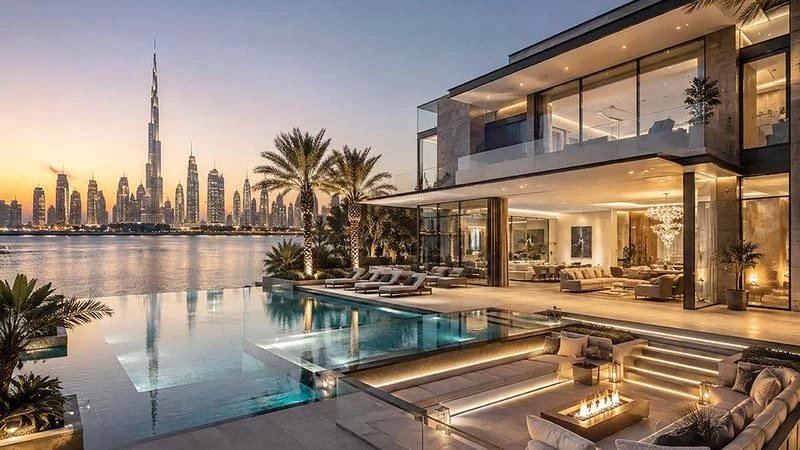
Dubai’s luxury real estate market continues to defy expectations of a slowdown, with fresh investor sentiment data showing the majority of market participants anticipate further price growth through the remainder of 2026, even as the broader market shows signs of a more measured pace compared to the record-breaking activity of previous years.
According to newly released market data, luxury real estate investment in Dubai jumped 26 per cent in the first quarter of the year alone, reaching Dh87.71 billion, as the city’s high-end segment continued to outperform expectations despite a series of regional headwinds that have periodically weighed on broader investor sentiment across the Middle East.
A market still finding new highs
Dubai’s overall real estate transactions surged by 31 per cent in the first quarter to reach Dh252 billion, a figure that underscores the sheer scale and continued vibrancy of a market that has become one of the most closely watched property destinations globally. Almost half of surveyed investors expect transaction volumes to increase further compared to that already strong first-quarter benchmark, according to market analysis from investment platforms tracking the sector.
What makes this continued strength notable is the context in which it is occurring. Dubai’s property market has already logged two consecutive years of record-breaking activity, and rather than showing signs of fatigue, key segments — particularly the luxury and off-plan categories — continue to post fresh highs on measures such as median price per square foot, even as overall transaction volumes in some categories have moderated from their peak.
Off-plan and luxury lead the charge
Off-plan properties have remained the dominant force behind Dubai’s real estate activity throughout 2026, consistently accounting for a substantial majority of total transactions and value. The continued appeal of off-plan investment reflects a combination of factors: flexible payment plans that lower the barrier to entry for investors, the prospect of price appreciation between purchase and completion, and a steady pipeline of new project launches across emerging communities that continue to draw both regional and international buyer interest.


The luxury segment specifically has shown particular resilience, with high-value transactions continuing to be recorded across established prestige addresses such as Palm Jumeirah, Emirates Hills, and Dubai Hills Estate, alongside newer luxury developments that have entered the market in recent years. Industry data shows that even as some broader market metrics have cooled from their absolute peak, pricing on a per-square-foot basis for premium properties has continued climbing to new multi-year highs.
What’s driving continued investor confidence
Market analysts point to several factors underpinning continued confidence in Dubai’s luxury property segment specifically. The city’s continued positioning as a global wealth and lifestyle hub, combined with favourable tax treatment relative to many competing global cities, has sustained steady demand from high-net-worth individuals and family offices relocating capital, and in many cases their primary residences, to Dubai.
Rental yields in the region of 7 per cent, notably higher than comparable figures in cities such as London or New York, continue to be cited by investors as a key differentiator supporting Dubai’s appeal relative to other global luxury property markets, even as absolute price levels have climbed substantially over the past several years.
A more measured, but still robust, outlook
While the pace of growth in certain segments has moderated compared to the exceptional post-pandemic boom years, most market observers continue to characterise the outlook for Dubai’s property market, and its luxury segment in particular, as fundamentally positive rather than showing signs of a genuine downturn. Steady population growth, continued infrastructure investment, and Dubai’s ongoing efforts to diversify its economic base away from oil-linked sectors are all cited as structural factors likely to continue supporting property demand over the medium term.
For prospective buyers and investors watching the market from the sidelines, the current environment presents a familiar dilemma: a market that has already appreciated substantially in recent years, but one where the underlying fundamentals — population growth, rental yields, and continued international demand — continue to point toward further, if perhaps more gradual, price appreciation through the remainder of 2026 and beyond.


Comments 1