Dubai now has Dh2.1 trillion worth of projects under way, the emirate’s ruler said on Tuesday. The figure puts a single number on a building and investment drive that stretches across housing, transport, aviation and the utilities that keep a fast-growing city running.
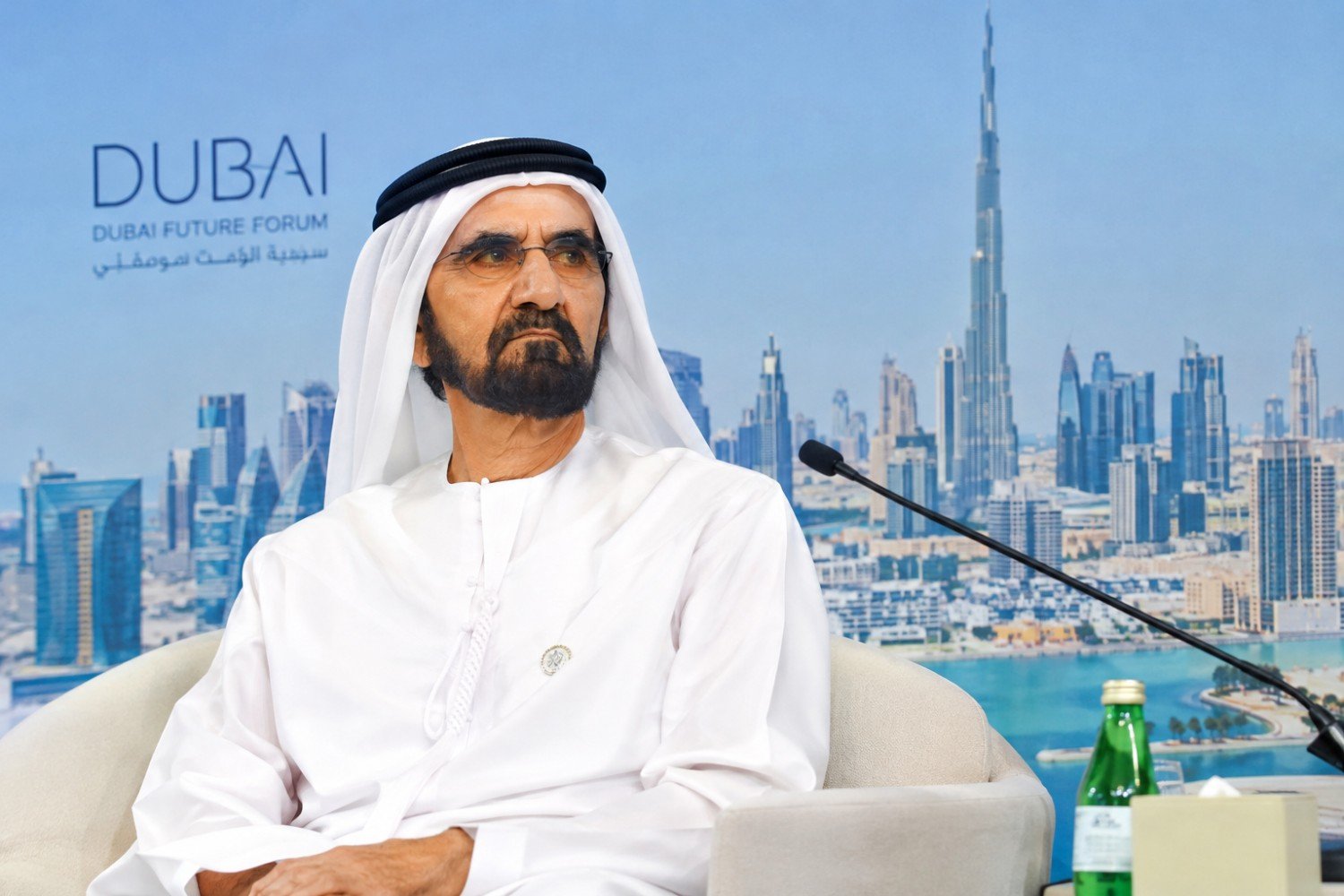
Sheikh Mohammed bin Rashid Al Maktoum, the UAE’s Vice President and Ruler of Dubai, announced the total at the Mohammed bin Rashid Leadership Forum at the Dubai World Trade Centre. The annual gathering brought together about 1,000 government and private-sector leaders, along with academics and policy specialists. Sheikh Mohammed said Dubai is building a “city within a city” and that more projects will follow.
Housing takes the largest share
Property is the biggest single component. Dh1.1 trillion has been set aside for real estate development through 2030, with about 350,000 residential units planned. The scale tracks a population that keeps rising. Official statistics show Dubai ended 2025 with 4.58 million residents, 7.5 per cent more than a year earlier.
For buyers, tenants and developers, the headline is that new supply is expected to keep arriving at pace. What the figures do not show is timing. Beyond the 2030 horizon for real estate, no delivery dates were given for individual schemes, so it remains unclear how quickly announced capacity will become finished homes.
Projects of this size also ripple through construction, materials, logistics, finance and professional services. That is one reason the number matters well beyond Dubai’s own borders.
Aviation spending reaches new heights
Aviation accounts for several of the largest line items. Dh128 billion is earmarked for Al Maktoum International Airport, which is being designed to handle up to 260 million passengers a year. A separate Dh328 billion will go towards expanding the fleets of Emirates and flydubai. Another Dh18.7 billion is allocated to a new Emirates engineering and maintenance complex.
The airport figure follows reporting in August that contracts worth Dh55 billion for the Al Maktoum expansion were due to be awarded by the end of this year. If that timetable holds, the coming weeks will be an important period for the project.
Roads, Metro lines and the infrastructure underneath
Dh100 billion has been allocated to road upgrades and to the Dubai Metro Blue and Gold lines. A further Dh151 billion will fund new power and water grid infrastructure, and Dh80 billion is committed to the Dubai Strategic Sewerage Tunnels system. Phase 2 of the Dubai International Financial Centre has been set aside Dh100 billion.
The transport spending sits alongside other mobility ideas aired at the same forum. There, the head of Dubai’s Roads and Transport Authority outlined proposals for an integrated underground network. Together, the announcements describe a city planning to move people and goods in more ways than it does today.
Building through a regional conflict
The message arrives against a difficult regional backdrop. The UAE’s Ministry of Defence has reported 2,265 drone attacks on the country since the Iran war began on February 28. Airports across the Gulf have been reviewing their security as a result.
Sheikh Mohammed nonetheless described this as an ideal time to invest in Dubai and its infrastructure. He argued that cities with ambitions to progress act before others do. A Wednesday editorial in The National makes a related case about the UAE’s wider approach. It argues that regional turmoil strengthens the case for medium- and long-term planning rather than weakening it.
What to watch next
Sheikh Mohammed did not say which projects would be added, only that more announcements are coming. Observers are likely to watch for contract awards at Al Maktoum, progress on the Blue and Gold Metro lines and more detail on the second phase of DIFC.
As with any government-announced portfolio, the Dh2.1 trillion figure is a headline total for active projects. Individual project costs were not itemised beyond the main categories, and the totals have not been independently audited.


Comments 1