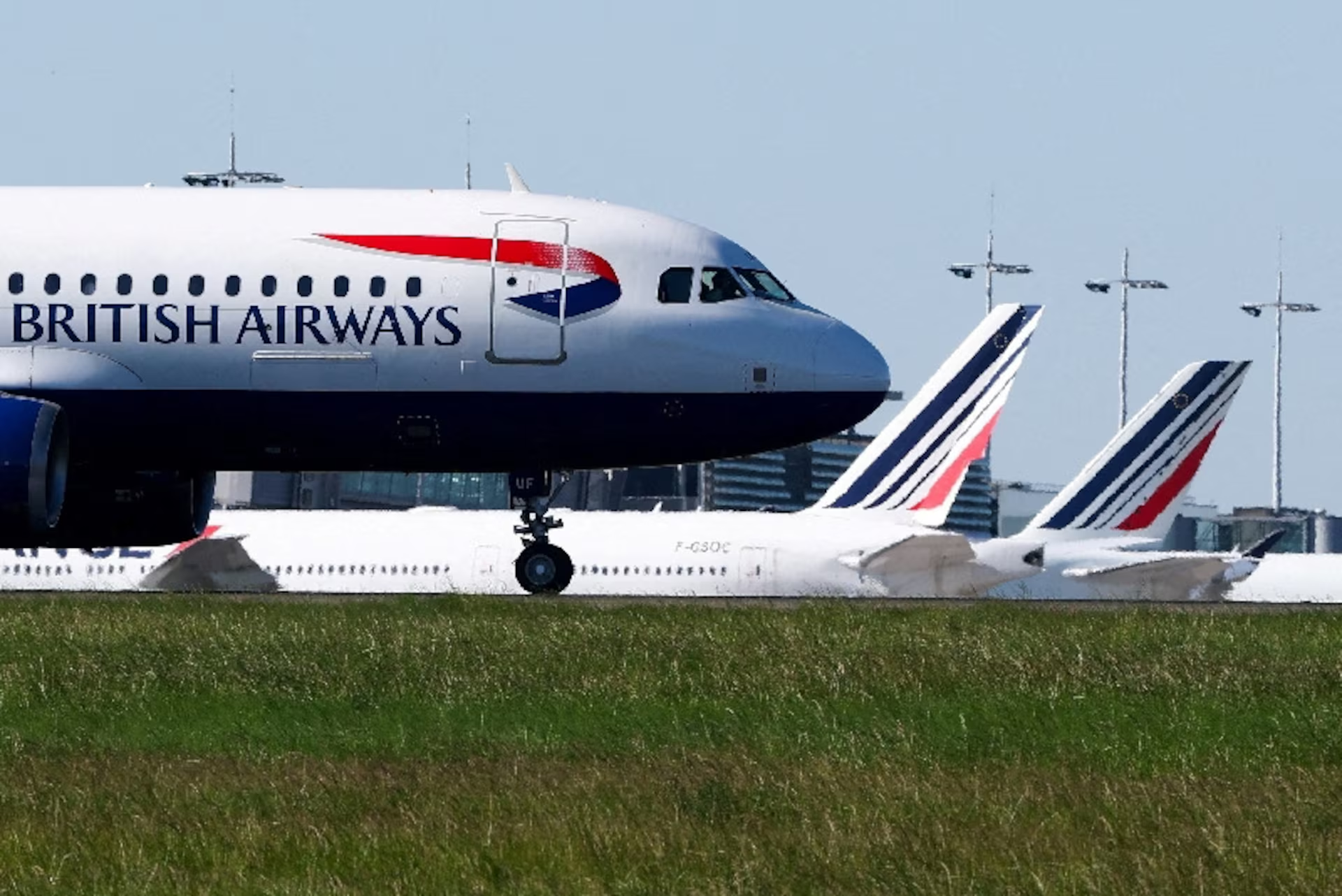
A familiar name is back on the Dubai departures board today. British Airways has restarted its daily service between London Heathrow and Dubai, one of the more significant steps yet in the gradual return of international airlines to the UAE.
The restart comes as the country enters the winter travel season, traditionally its busiest period. Airports are operating normally, and there is no general shutdown affecting airports, businesses or schools. But the recovery is uneven. Some routes are filling up again while others remain suspended, and passengers are being urged to check their flight status before heading to the airport.
Europe edges back
British Airways is the headline return, but it is not the whole European story. Lufthansa has pushed back its Dubai restart to 25 November, and its Abu Dhabi flights remain suspended until the 2027–28 winter season. SWISS and Eurowings are also due back on 25 November, on Zurich–Dubai and Berlin–Dubai respectively. Austrian Airlines is planning a return on 12 December.
Further east, Singapore Airlines has extended the suspension of its Singapore–Dubai flights, SQ494 and SQ495, until 28 February 2027. For travellers with onward connections, the message is to confirm each leg separately.
Saudi routes remain the sticking point
The biggest disruption is on services to Saudi Arabia, where airlines are staging their returns after attacks that affected airports and infrastructure there. Etihad has extended its cancellations of Abu Dhabi flights to Riyadh, Jeddah and Dammam, with the suspension reported to run through 5 November.
Emirates and flydubai are taking different approaches. Emirates resumed Jeddah services on 30 October and has pencilled in Riyadh and Dammam for 8 November. flydubai restarted flights to Riyadh, Dammam and Abha on 30 October, though individual flights can still be changed at short notice.
Foreign carriers are cautious. Lufthansa has suspended Riyadh flights until 18 November and Dammam until 30 November. KLM has cancelled Riyadh and Dammam services until 27 November, ITA Airways has cancelled Riyadh until 18 November, and Philippine Airlines has halted its Riyadh flights until 29 November.
Capacity tells a more upbeat story
Behind the day-to-day cancellations, the raw numbers point to a real rebound. Departing seat capacity at Dubai International reached about 7.2 million in October, roughly 23 per cent higher than in June. Emirates accounts for around 3.1 million of those seats. flydubai’s capacity has grown by 27.5 per cent since June to about 1.1 million seats.
Those figures show a substantial recovery in scheduled capacity. They do not mean every route is running normally, and the gap between seats on sale and flights actually operating is why delays and cancellations still appear on the boards at Dubai’s two airports, at Abu Dhabi’s Zayed International and at Sharjah.
What passengers should do
Airlines and airport operators have been consistent in their guidance, and it is worth following closely:
- Check your flight status on the airline’s app or website before leaving home.
- Allow extra time for the journey to the airport.
- Contact your airline directly about refunds and rebooking if your flight is affected.
- If you are travelling to Saudi Arabia, confirm your booking with the carrier before heading to the terminal.
Why it matters
Air connectivity is central to the UAE’s economy, from tourism and trade to the business travel that fills Dubai’s hotels and conference halls. Every returning carrier adds seats, competition and confidence. The staggered restart schedule also shows how closely airlines are watching the regional security picture, with decisions made week by week rather than season by season.
For now, the practical advice is simple. The UAE’s airports are open, the winter schedule is building, and the recovery is real. But it is not complete, and a quick check of your flight status remains the best insurance against a wasted trip.


Comments 1