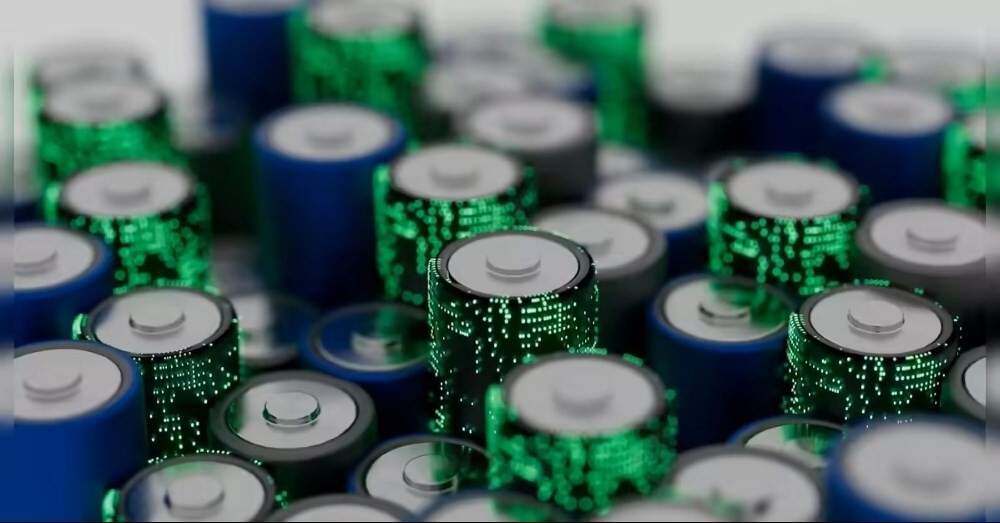
Indian Scientists Develop Long-Lasting, Low-Cost Aluminium Battery Using MXene and Vanadium Oxide
Scientists in India have made a significant breakthrough that could make aluminium-based batteries more practical, longer-lasting, and cheaper—potentially offering a strong alternative to widely used lithium-ion batteries. The innovation could reshape energy storage.
The development comes from a research team in Bengaluru, which has addressed one of the biggest challenges facing aluminium batteries: their tendency to degrade quickly during repeated charging cycles. While aluminium batteries are attractive due to their low cost, abundance, and safety advantages, their limited lifespan has so far prevented widespread use. Durability has been the key hurdle.
Aluminium is considered a promising material for future energy storage because it is far more abundant and less expensive than lithium. It can also store a high amount of charge and is generally safer, as it is less prone to overheating or catching fire compared to lithium-based batteries. However, the main drawback has been the instability of materials inside the battery, which tend to break down over time. Safety and cost are major advantages.
The Bengaluru researchers tackled this issue by developing a new composite material for the battery’s cathode (the positive electrode). Traditionally, materials like vanadium oxide are used because they can store a large amount of energy. But in aluminium batteries, this material often dissolves into the electrolyte during operation, causing the battery to lose efficiency and capacity quickly. The old materials failed.
To solve this, scientists combined vanadium oxide with a highly conductive material known as MXene. This combination forms a stable and supportive structure that prevents the active material from breaking down. The MXene also improves the movement of aluminium ions within the battery, making the charging and discharging process more efficient. The new composite is stable.
Tests of the new material have shown promising results. The improved batteries were able to retain a significant portion of their capacity even after hundreds of charge cycles—far better than conventional aluminium batteries. This suggests a much longer lifespan and improved reliability, which are critical for real-world applications such as electric vehicles and renewable energy storage. Hundreds of cycles, high retention.
Another key advantage of this innovation is cost. Because aluminium is inexpensive and widely available, batteries based on this metal could be much cheaper to produce than lithium-ion alternatives. The new material further enhances this advantage by improving durability, reducing the need for frequent replacements and lowering overall costs. Low cost, high durability.
The breakthrough could have wide-ranging implications. With global demand for energy storage rising—especially for electric vehicles, smartphones, and renewable energy systems—there is a growing need for batteries that are not only efficient but also affordable and environmentally friendly. Aluminium batteries could meet these requirements if their performance challenges are fully resolved. The demand is massive.
In addition, aluminium batteries are considered safer and more sustainable. Unlike lithium-ion batteries, which rely on relatively scarce and sometimes hazardous materials, aluminium is easier to source and recycle. This makes it a more environmentally friendly option for large-scale energy storage solutions. Sustainability is a key benefit.
While the technology is still in the research stage, experts believe this advancement marks an important step toward commercial viability. Further improvements in energy density and scalability will be needed before aluminium batteries can compete directly with lithium-ion batteries in mainstream applications. More work is needed, but progress is clear.
Also Read: Fragile Peace: US and Iran May Resume Talks in Islamabad Amid Tense Ceasefire
Overall, the development highlights how innovative materials science can transform the future of energy storage. By overcoming long-standing limitations, researchers have brought aluminium batteries closer to becoming a practical, low-cost, and durable alternative—potentially reshaping the global battery industry in the years ahead. A new era in energy storage may be dawning. The future is aluminium.


