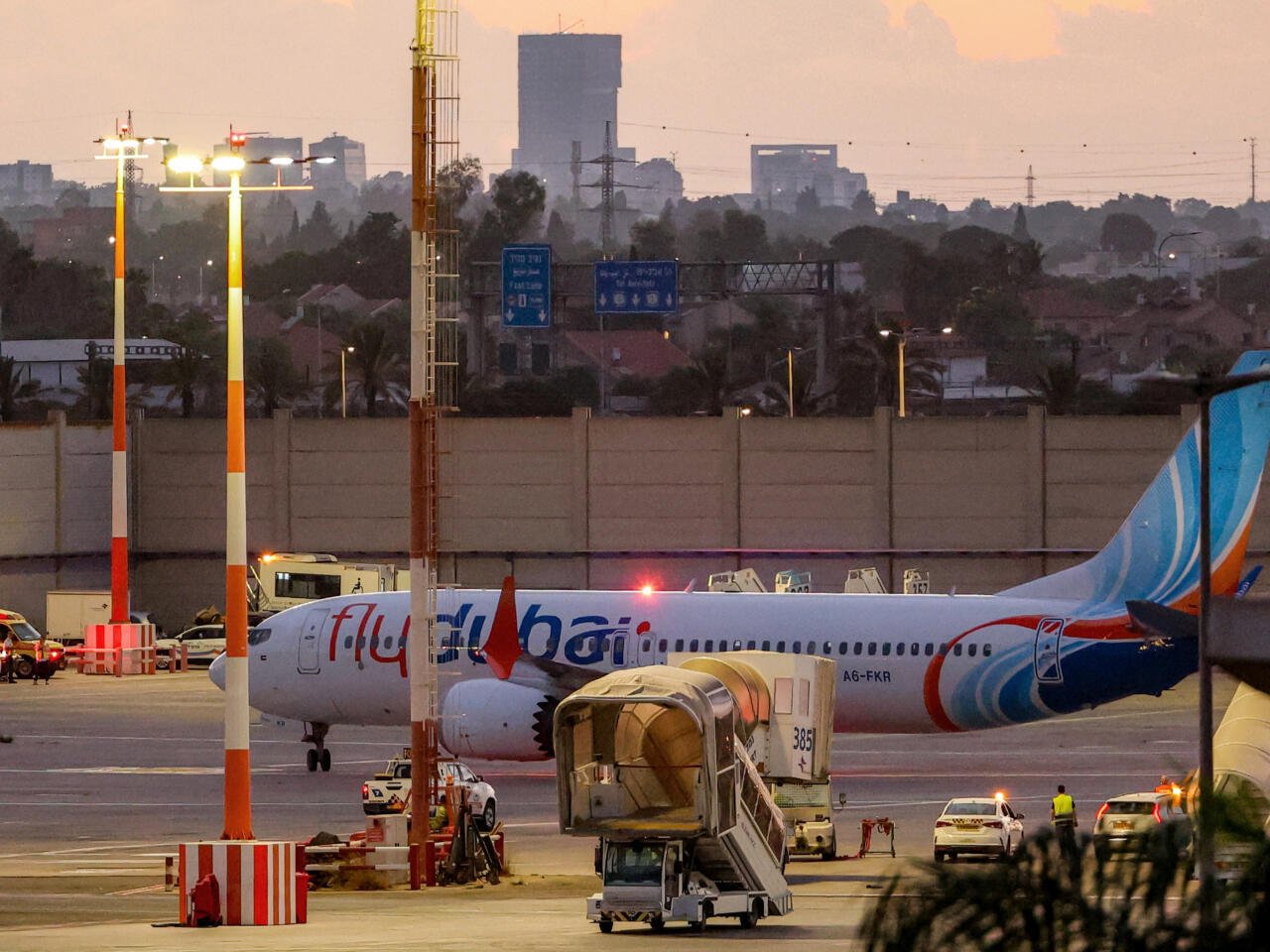
The UAE’s investigation into flydubai flight FZ1073 has identified a specific intended target and traced the suspect’s path to radicalisation, according to findings published over the weekend. The Public Prosecution says its inquiry is continuing.
Investigators have concluded that the September 30 incident was a planned attack targeting the passenger terminal at Ben Gurion Airport in Israel. The plot, they say, nearly ended in disaster. The flight, from Dubai to Tel Aviv, was diverted and landed safely at Tabuk Airport in Saudi Arabia.
What happened on board
The flight was travelling from Dubai International Airport to Tel Aviv when it diverted. Flydubai first said the aircraft had experienced an incident while en route and had landed safely. It later confirmed that an altercation occurred in the flight deck. The airline said the aircraft was secured by on-duty flydubai crew who were travelling on the flight.
“All passengers and crew are safe and accounted for,” a flydubai spokesperson said at the time. The flight’s captain was seriously injured in the cockpit, according to reports on the investigation.
How the investigation began
On October 1, the UAE’s Attorney-General, Counsellor Dr Hamad Saif Al Shamsi, ordered a team of specialised prosecutors to investigate. Their remit included whether the incident was linked to terrorist activity or involved prior planning or direction. The team works with the General Civil Aviation Authority and other agencies.
The Attorney-General urged the public not to speculate or share unverified information until the facts were established. Flydubai suspended all flights to and from Israel while the inquiry continued.
What the latest findings say
The new details emerged in the investigation’s latest update. According to the published findings:
- The target: a specific intended target was identified, the passenger terminal at Ben Gurion Airport.
- Reconnaissance: two earlier flights were used for reconnaissance.
- How it was thwarted: a pilot’s suspicions helped prevent the plot from succeeding.
- Background: investigators traced the first signs of the suspect’s radicalisation to 2017, when he was studying in Australia.
- Inspiration: the suspect admitted drawing inspiration from the September 11, 2001 attacks.
- Confession: the Public Prosecution obtained a detailed confession in the presence of the suspect’s lawyer, with the required legal safeguards.
The suspect is a member of the flight’s crew. Authorities have not released further personal details in the material reviewed here, and this report does not name him.
Regional fallout
The case has had consequences beyond the UAE. Israel’s prime minister ordered a security review of flights to Israel after the incident, according to reports. Flydubai’s suspension of Israel services has affected travellers between the two countries.
The incident also sharpened a wider debate about aviation security. Airports across the Gulf have been reviewing their defences against missile and drone threats. The FZ1073 case raises a different question, which is how airlines screen and monitor staff who have access to the cockpit.
What remains unclear
Investigators are still examining evidence, looking into possible accomplices and other connections, and reviewing recordings and technical reports. Several important questions are therefore unresolved:
- Whether anyone else was involved or directed the plot.
- What changes, if any, airlines and regulators will make to recruitment checks and in-flight security.
- When flydubai will resume flights to Israel.
Until the Public Prosecution completes its work, the findings should be treated as the current state of an ongoing investigation rather than a final account. The Attorney-General’s earlier appeal still applies: rely on official sources rather than social media speculation.
What to watch
The next announcements are likely to come from the Public Prosecution and the General Civil Aviation Authority. Passengers who normally fly to Israel with flydubai should check with the airline for updates on the suspension.


