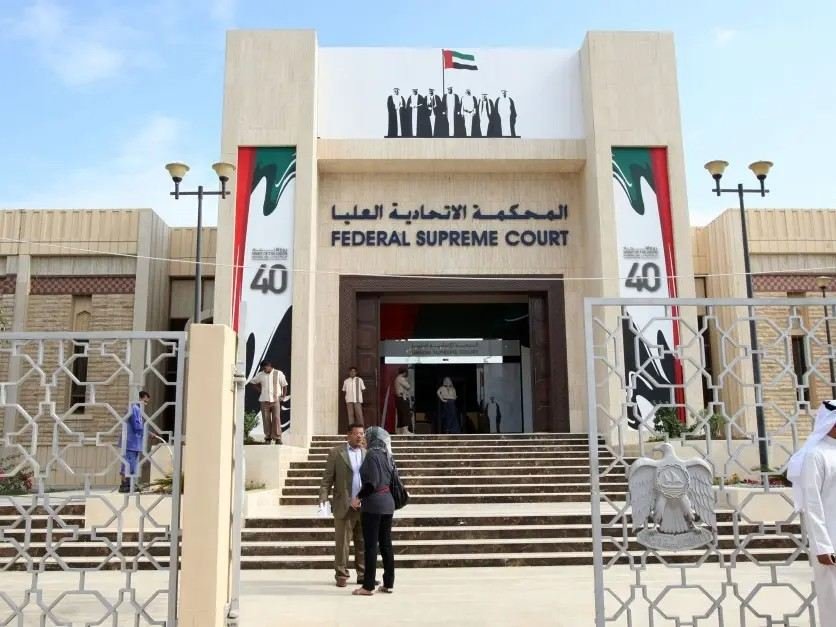
UAE Hands Down Prison Terms in Crackdown on Forged Academic Qualifications
UAE courts have issued prison sentences of up to three years, alongside fines reaching Dh30,000, in a series of cases involving forged academic qualifications, the Ministry of Higher Education and Scientific Research confirmed this week. The rulings represent one of the clearest signals yet that authorities are treating academic fraud as a serious criminal matter rather than a purely administrative violation.
According to the ministry, several defendants have already been convicted in connection with fraudulent degrees and certificates, with the range of penalties reflecting the varying severity of individual cases. In its statement, the ministry said it was making exceptional efforts to verify the authenticity and integrity of academic qualifications issued by higher education institutions, both within the UAE and by foreign institutions whose credentials are presented for use inside the country.
Why the Crackdown Matters
Academic qualifications play an outsized role in the UAE’s labour market and immigration system, given the country’s reliance on skilled expatriate professionals across sectors ranging from healthcare and engineering to finance and education. A forged degree can allow an unqualified individual to secure a professional licence, a visa category tied to educational attainment, or a senior role that would otherwise require verified credentials, creating risks that extend well beyond the individual case of fraud itself.
For sectors such as medicine, engineering and education, the stakes are particularly high. A forged qualification in these fields does not simply represent a case of dishonesty; it can translate into a genuine public safety risk if an unqualified individual ends up practising in a role requiring specific technical or clinical training. This risk profile helps explain why the UAE’s judicial response has extended to custodial sentences rather than fines alone.
A Broader Verification Push
The ministry’s statement framed the recent court rulings as part of a wider, ongoing effort to strengthen how academic credentials are checked and validated across the country. The UAE has, in recent years, invested significantly in digital verification systems designed to cross-check qualifications against issuing institutions, reducing the reliance on physical documents that are more easily forged or altered.
Officials have not disclosed the specific number of cases involved in this latest round of prosecutions, nor detailed the nationalities or professional backgrounds of those convicted, citing standard privacy protocols around ongoing and concluded judicial proceedings. However, the ministry’s public confirmation of the sentencing outcomes signals a clear intent to use these cases as a deterrent, publicising the consequences of academic fraud to discourage future attempts.
How the System Works
Under UAE law, submitting forged academic qualifications, whether to secure employment, a professional licence, a residency visa, or admission to a further course of study, can constitute a criminal offence carrying both custodial and financial penalties. The ministry has continued to emphasise that all academic qualifications used within the UAE, particularly those obtained from institutions outside the country, must be properly attested and verified through official channels before they can be relied upon for professional or immigration purposes.
This attestation requirement has become an increasingly central pillar of the UAE’s approach to protecting the integrity of its labour market. Employers and government entities are expected to verify credentials through established channels rather than accepting documentation at face value, a requirement that has grown more robust as digital verification tools have matured.
A Message to Employers and Job Seekers
Beyond the direct legal consequences for those found to have submitted forged documents, the ministry’s announcement carries an implicit message for both employers and job seekers operating in the UAE. For employers, it reinforces the importance of running proper due diligence on academic credentials before extending job offers or sponsoring visas tied to specific qualifications. For prospective employees and students, it serves as a clear warning that attempts to bypass legitimate academic requirements through fraudulent means carry serious legal risk, extending well beyond the loss of a job offer or licence to potential imprisonment and substantial fines.
As the UAE continues to position itself as a global hub for education, professional services and skilled migration, maintaining public confidence in the legitimacy of academic credentials used within the country remains a priority for regulators. The latest court rulings suggest that priority is now being backed by increasingly assertive judicial enforcement, rather than administrative penalties alone.


Comments 1