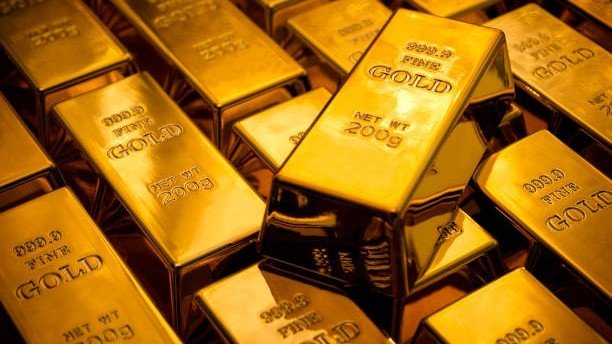
Gold prices across the UAE have continued to move in step with global markets this week, as investors around the world lean on the precious metal as a hedge against the uncertainty stemming from the region’s extended conflict and its broader economic ripple effects.
Trading data from earlier this week showed 24 carat gold in Dubai priced at Dh518.25 per gram, with 22 carat gold trading at Dh480.00 per gram. Both figures reflect the kind of day-to-day fluctuation that has characterised the gold market throughout much of this year, as traders weigh competing signals from regional geopolitics, currency movements and shifting expectations around global monetary policy.
Why gold keeps drawing investor attention
Gold has long served as a traditional safe-haven asset during periods of geopolitical or economic uncertainty, and this year has provided no shortage of triggers for investors to seek out that stability. The ongoing conflict between the United States and Iran, now well into its seventh month, has kept regional risk elevated, prompting many investors to allocate a greater share of their portfolios toward assets perceived as more insulated from sudden market shocks.
That dynamic has been particularly visible in the UAE, where gold trading carries added significance given Dubai’s status as one of the world’s most active gold trading hubs. The emirate’s deep-rooted gold souks and modern trading infrastructure mean that shifts in global gold sentiment are reflected quickly and directly in local pricing.
A market shaped by currency and demand factors
Beyond geopolitical risk, UAE gold prices are also shaped by currency movements, particularly given the large volume of gold purchases made by international buyers, including a significant number of Indian consumers and investors who track Dubai rates closely alongside domestic Indian pricing. Exchange rate fluctuations between the dirham and currencies like the Indian rupee can meaningfully affect the final cost of gold purchases for these buyers, adding another layer of complexity to how demand responds to price changes.
Local jewellery retailers have also noted that gold’s dual role, as both an investment vehicle and a culturally significant purchase for occasions such as weddings and festivals, means demand in the UAE market often behaves somewhat differently from purely investment-driven markets elsewhere in the world.
A turbulent year for the precious metal
This year’s gold market has been notably volatile even by the metal’s own historical standards, with prices climbing to record highs at various points as global uncertainty intensified, before easing back during periods of relative calm. That pattern reflects the broader tension in global markets between genuine safe-haven demand and profit-taking behaviour among traders looking to capitalise on short-term price swings.
For UAE residents and investors, that volatility carries practical implications, whether they are jewellery buyers timing a purchase around price dips, or investors weighing gold’s place within a broader portfolio strategy given the metal’s historically inverse relationship with riskier assets during periods of market stress.
What to watch going forward
With the regional conflict showing no clear signs of near-term resolution, and its knock-on effects continuing to ripple through markets spanning oil, currencies and precious metals alike, gold’s role as a barometer of investor sentiment is likely to remain prominent in the weeks ahead. UAE buyers and investors will continue watching daily rate movements closely, particularly as any shift in the broader security situation could quickly translate into fresh price swings both globally and within the local market.
For now, gold remains one of the clearest reflections of how deeply intertwined the UAE’s markets are with the wider currents shaping global investor sentiment this year. Next Article


Comments 1