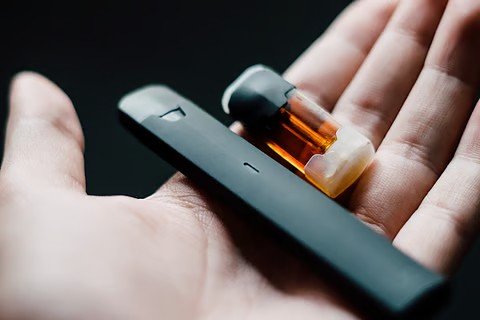
The UAE has rolled out a new tax measure targeting the electronic smoking industry, introducing a minimum excise price of Dh1 per millilitre for liquids used in vaping devices, effective from September 1, 2026, as part of a broader push by the Ministry of Finance to tighten compliance across tobacco and related product categories.
Under the new rule, a standard 10ml bottle of e-liquid now carries a minimum excise price of Dh10, while 30ml and 60ml bottles carry minimum excise prices of Dh30 and Dh60 respectively. Existing minimum excise prices for other tobacco products remain unchanged under the update.
Understanding what the measure actually does
A key clarification from authorities accompanying the announcement is that the minimum excise price is distinct from a minimum retail price. Rather than setting a floor on what consumers pay at the point of sale, the measure establishes the baseline value used to calculate excise tax owed on these products, regardless of how a retailer prices them commercially.
That distinction matters significantly for how the market may respond. In cases where products were previously priced, and taxed, below the new minimum threshold, suppliers and retailers will now need to account for excise tax calculated against the new floor value, potentially increasing the tax burden on lower-cost e-liquid products even if final retail pricing strategies vary.
Part of a broader compliance push
The measure forms part of the Ministry of Finance’s ongoing effort to strengthen excise tax compliance and ensure more consistent standards are applied across both traditional tobacco products and the increasingly popular electronic smoking category. Electronic cigarettes and vaping products have grown substantially in the UAE market in recent years, prompting regulators to extend the kind of structured tax frameworks long applied to conventional tobacco products to this newer category as well.
By establishing a clear minimum calculation value, authorities aim to close potential gaps where under-declared product values might otherwise result in lower-than-intended tax collection, a concern that has accompanied the rapid growth of the vaping sector globally, not just within the UAE.
Context within the UAE’s wider tax framework
The UAE’s excise tax system, first introduced in 2017, has historically targeted products deemed harmful to public health or the environment, including tobacco products, energy drinks, carbonated drinks and, more recently, sweetened beverages. The extension of minimum excise pricing specifically to e-cigarette liquids reflects the growing regulatory attention being paid to vaping products as their popularity, and associated public health considerations, have increased.
While the measure is fundamentally a tax compliance mechanism rather than a direct public health intervention, the practical effect of raising minimum taxable values on lower-cost products may, in some cases, translate into modestly higher prices for budget-tier e-liquid products at the retail level, depending on how individual suppliers choose to adjust their pricing in response.
What consumers and retailers should know
For consumers, the most immediate practical implication is the possibility of price adjustments on certain e-liquid products, particularly smaller bottle sizes that may previously have been priced closer to the new minimum threshold. Retailers and suppliers, meanwhile, will need to ensure their excise tax calculations and reporting align with the new minimum values from September 1 onward to remain compliant with Federal Tax Authority requirements.
A measure likely to draw continued attention
As vaping continues to occupy a prominent, if sometimes contested, place within broader public health and taxation debates across the UAE, this latest adjustment is likely to be one of several incremental regulatory steps authorities take in the coming months and years as the sector continues to evolve. For now, the September 1 implementation date marks a clear, concrete shift in how e-cigarette liquids are taxed across the country. Next Article


