Gulf on Edge as UAE Repels Drone Threat
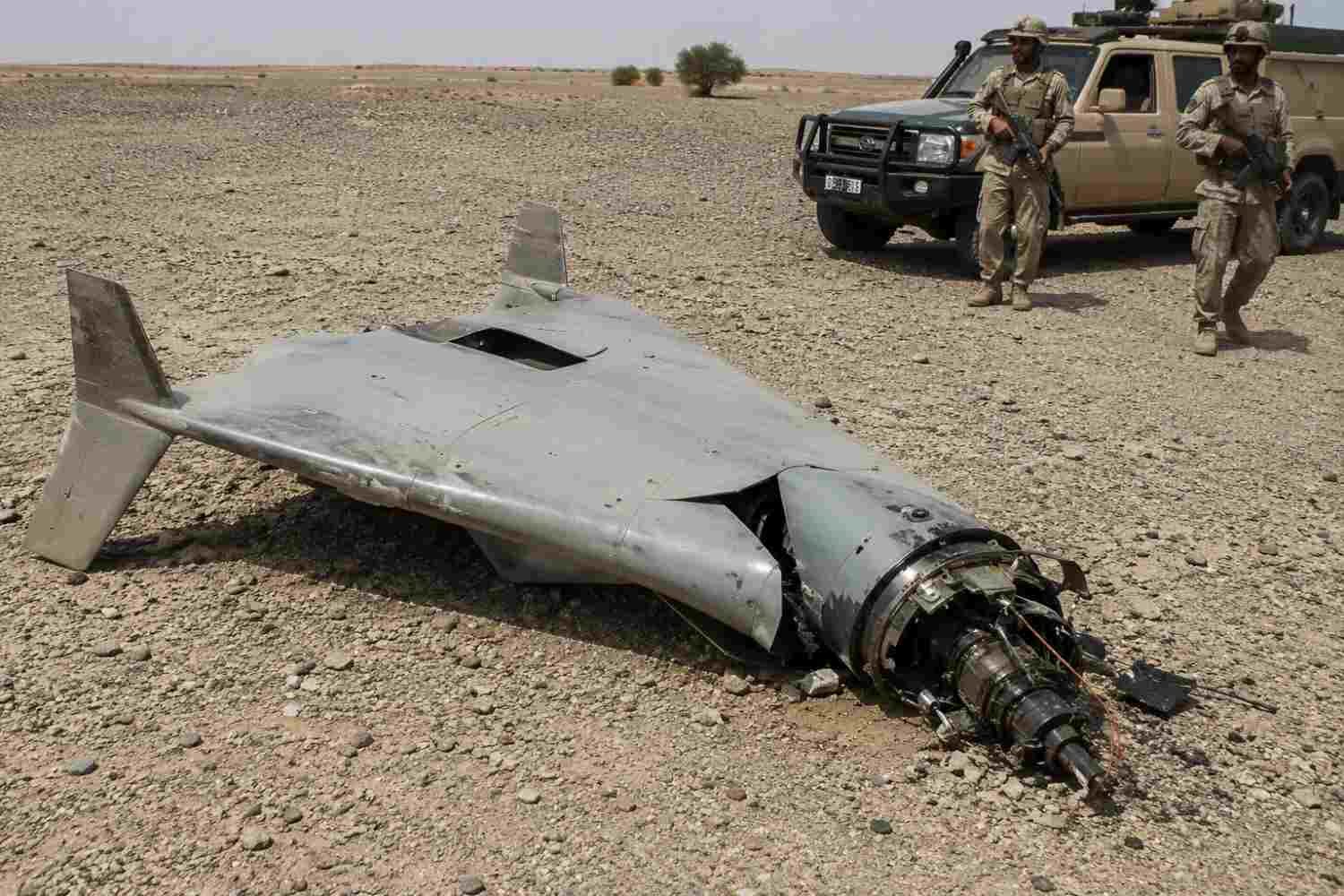
The United Arab Emirates has once again found itself on the front line of a widening regional confrontation after its air defence systems intercepted a hostile drone launched from Iranian territory over UAE waters. The incident, confirmed by the Ministry of Foreign Affairs, has been described by officials as a “dangerous escalation” and a direct violation of the country’s sovereignty.
In an official statement, the ministry said the drone was detected and neutralised before it could cause any damage, with no casualties or injuries reported among citizens or residents. Despite the successful interception, the government did not mince words in its response, calling the act a “flagrant violation” of UAE sovereignty, security and stability, and holding Iran fully responsible for the consequences of the attack.
A Pattern of Rising Hostility
This is not an isolated event. The interception follows a similar episode earlier in the month when UAE defence systems detected ballistic projectiles believed to have been aimed at maritime shipping lanes near the country’s coast. Analysts monitoring the region say the repeated incidents point to a broader pattern of instability stemming from the ongoing standoff between Iran, the United States and Israel, which has spilled over into the waters and airspace surrounding the Emirates.
Diplomatic advisers close to the UAE leadership have been vocal about the risks of prolonged uncertainty in the region. Speaking publicly in the aftermath of the incident, a senior adviser to the UAE president argued that the current situation — neither full-scale war nor genuine peace — cannot be sustained indefinitely, and called for a realistic, negotiated path that restores normal maritime traffic through one of the world’s most strategically important waterways.
Tankers Struck Near the Strait
Compounding the tension, two oil supertankers were separately struck by unidentified projectiles while attempting to exit the Strait of Hormuz. According to maritime intelligence firms tracking vessel movements, one very large crude carrier operating for a major Gulf shipping company was hit while sailing near Oman’s coastline, while a second tanker was struck by multiple projectiles minutes later in the same corridor. Both vessels had reportedly gone dark on tracking systems in the days before the strikes, a precaution increasingly common among operators navigating the corridor.
Maritime authorities reported no casualties or environmental damage from either strike, though the incidents have reignited concerns about the safety of one of the world’s busiest oil transit routes, through which a substantial share of global crude and liquefied natural gas exports pass daily.
Impact on UAE Air Travel
The knock-on effects have reached UAE residents directly. National carriers including Emirates, Etihad Airways, Air Arabia and flydubai have been managing a series of scattered delays, rerouted flights and selective cancellations as airspace advisories tied to the wider regional instability continue to evolve. While none of the major airlines have suspended operations entirely, passengers travelling in and out of the UAE have been urged to check flight statuses closely in the days ahead as carriers adjust schedules around shifting safety guidance from international aviation regulators.
Industry watchers note that Gulf carriers have so far shown resilience, opting for targeted route adjustments rather than blanket suspensions — a strategy that has helped preserve much of the UAE’s status as a global aviation hub even amid heightened regional risk.
UAE’s Measured but Firm Response
For its part, the UAE has continued to strike a careful balance: firmly condemning acts of aggression against its territory while simultaneously pushing for de-escalation through diplomatic channels. The Ministry of Foreign Affairs reiterated that the country will not tolerate any threat to its citizens, residents or sovereignty, and confirmed that its armed forces remain on full alert, continuously monitoring airspace and surrounding waters.
At the same time, UAE officials have avoided rhetoric that would further inflame the situation, instead emphasising the country’s “full and legitimate right” to respond in a manner consistent with international law, while urging a swift and complete halt to hostile actions in the region. The UAE previously suspended trade and financial dealings with Iran following an earlier round of missile activity near its waters, a move seen as both a security precaution and a signal of where Abu Dhabi stands amid the broader conflict.
What Comes Next
With tensions between Washington and Tehran showing few signs of cooling, and both sides trading warnings over further military action, the UAE’s position as a stable hub in a volatile neighbourhood is being tested. For now, officials in Abu Dhabi appear focused on protecting the country’s airspace, waters and economic interests while continuing to call, publicly and privately, for the kind of durable political settlement that could finally bring calm back to the Strait of Hormuz and the wider Gulf region.
Residents and businesses across the Emirates are being advised to follow updates from official UAE channels rather than unverified reports circulating on social media, as authorities work to keep the public accurately informed during this sensitive period. Next Article


Comments 1