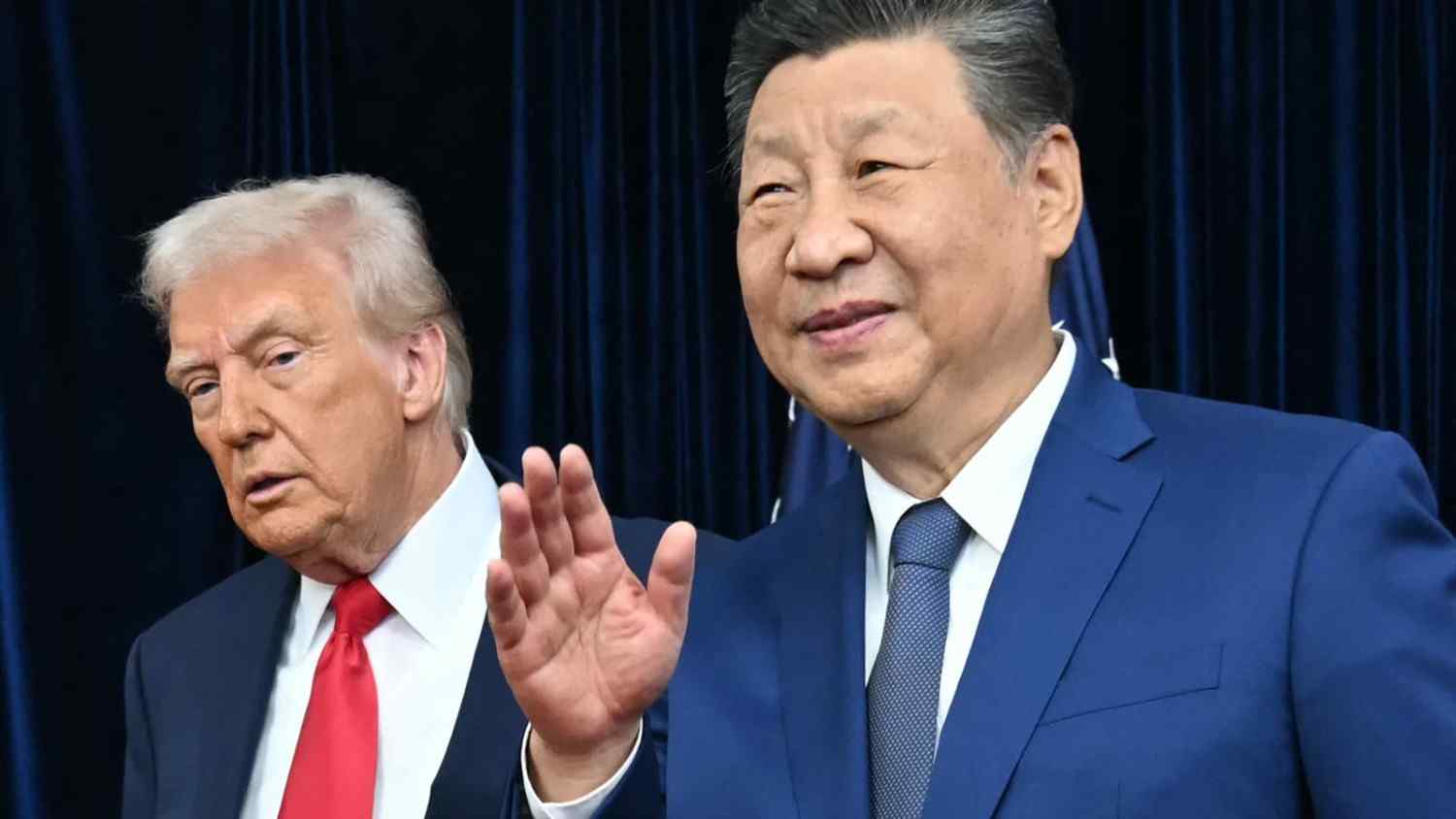
Trump Warns China of 50% Tariff If It Provides Military Aid to Iran
U.S. President Donald Trump has issued a sharp warning to China, threatening to impose a steep 50% tariff on its goods if Beijing is found providing military assistance to Iran. The statement comes amid escalating geopolitical tensions following the collapse of high-stakes peace talks held in Pakistan. The warning is stark.
According to reports, Trump said the United States would take strong economic action if China supports Iran militarily, emphasizing that such a move would not be tolerated. His remarks reflect growing concerns in Washington over alleged Chinese involvement in supplying weapons or military technology to Tehran during the ongoing conflict in the Middle East. Allegations of Chinese support have alarmed U.S. officials.
The warning followed the failure of a marathon round of negotiations between U.S. and Iranian officials in Islamabad. The talks, which lasted nearly 21 hours, ended without any agreement, further intensifying uncertainty in the region. Key disagreements reportedly revolved around Iran’s nuclear programme, its military activities, and control over the strategically vital Strait of Hormuz. The talks failed to produce a breakthrough.
Trump’s tariff threat is part of a broader strategy to increase pressure not only on Iran but also on countries that may be indirectly supporting it. Although he did not explicitly name China in earlier statements, recent comments make it clear that Beijing is the primary target of these potential economic measures. Analysts believe the move could significantly escalate tensions between the world’s two largest economies, already strained by trade disputes and strategic rivalry. The trade war could escalate further.
The situation is further complicated by reports suggesting that China may be considering supplying advanced military equipment to Iran, a claim Beijing has denied. Nevertheless, U.S. officials remain wary, viewing any such support as a direct challenge to American interests in the region. Beijing has rejected the allegations.
At the same time, the breakdown of talks in Pakistan has led to a hardening of positions on both sides. The U.S. has signaled readiness to take more aggressive steps, including economic penalties and potential military measures, while Iran has resisted key American demands, particularly those related to its nuclear ambitions and regional influence. Both sides are digging in.
The rising tensions have also sparked concerns about global economic stability. The Strait of Hormuz, a critical route for global oil shipments, remains at the center of the dispute. Any disruption there could impact oil supplies and drive up prices worldwide, adding to the urgency of diplomatic efforts. The global economy is watching nervously.
Trump’s latest remarks underscore the fragile state of international diplomacy surrounding the Iran conflict. By linking trade policy with military developments, the U.S. administration is signaling a willingness to use economic leverage as a tool of geopolitical pressure. Trade is becoming a weapon.
Also Read: Big Leadership Exit: Swiggy Co-founder Nandan Reddy Resigns Amid Major Board Overhaul
As the situation continues to evolve, the possibility of further escalation remains high, with global powers closely watching how China responds to the warning and whether diplomatic channels can be revived to prevent a broader crisis. The world holds its breath. The stakes have never been higher.


