US Designates Muslim Brotherhood Branches in Egypt, Jordan, Lebanon as Terrorist Organizations
In a major policy shift, the United States government has formally designated three branches of the Muslim Brotherhood as terrorist organizations. On January 13, 2026, the U.S. State and Treasury Departments announced the Lebanese chapter (al-Jamaa al-Islamiya) as a Foreign Terrorist Organization (FTO), while the Egyptian and Jordanian branches were listed as Specially Designated Global Terrorists (SDGTs).
The Basis for the Designations
U.S. officials, including Secretary of State Marco Rubio, stated the designations target groups allegedly facilitating violence and destabilizing the region. The U.S. alleges these chapters have provided material support to Hamas and engaged in activities aimed at undermining governments, particularly in Egypt.
Lebanon (FTO): Accused of coordinating rocket attacks with Hamas and Hezbollah against Israel.
Egypt & Jordan (SDGT): Alleged to have supported Hamas operationally and financially.
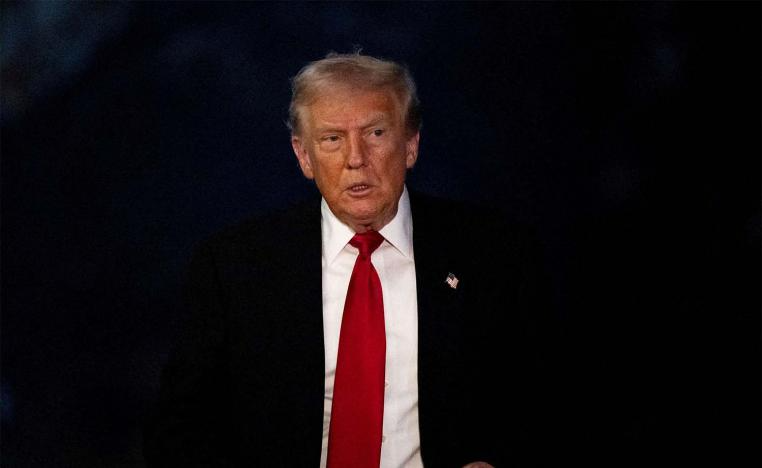
The move implements a November 2025 executive order from President Donald Trump, directing agencies to evaluate and designate Brotherhood chapters involved in extremism.
Legal and Financial Consequences
The designations trigger severe U.S. sanctions:
Asset freezes on the groups and their members.
Bans on financial transactions with them.
Criminal penalties for providing material support (especially for the FTO-labeled Lebanese branch).
Potential impacts on immigration and asylum claims for associated individuals.
Reactions: Support and Condemnation
The move has drawn polarized responses:
Support: Egypt and the UAE welcomed the decision, framing it as a vital step against extremism.
Condemnation: The designated Brotherhood chapters denied the allegations, calling them politically motivated and lacking evidence. They insist their work is civic and peaceful, operating within national laws.
Also Read: Oman Launches International Financial Centre to Drive Diversification Under Vision 2040
Broader Geopolitical Implications
The designations could strain U.S. relations with countries like Qatar and Turkey, which have historically engaged with the Brotherhood. Analysts note the move signals a harder U.S. stance on political Islam and may complicate regional diplomacy.
This action marks a significant escalation in how a major global power confronts the transnational Muslim Brotherhood network, with wide-reaching consequences for counter-terrorism policy, regional alliances, and individual freedoms.


