A Unified Identity for Seven Emirates
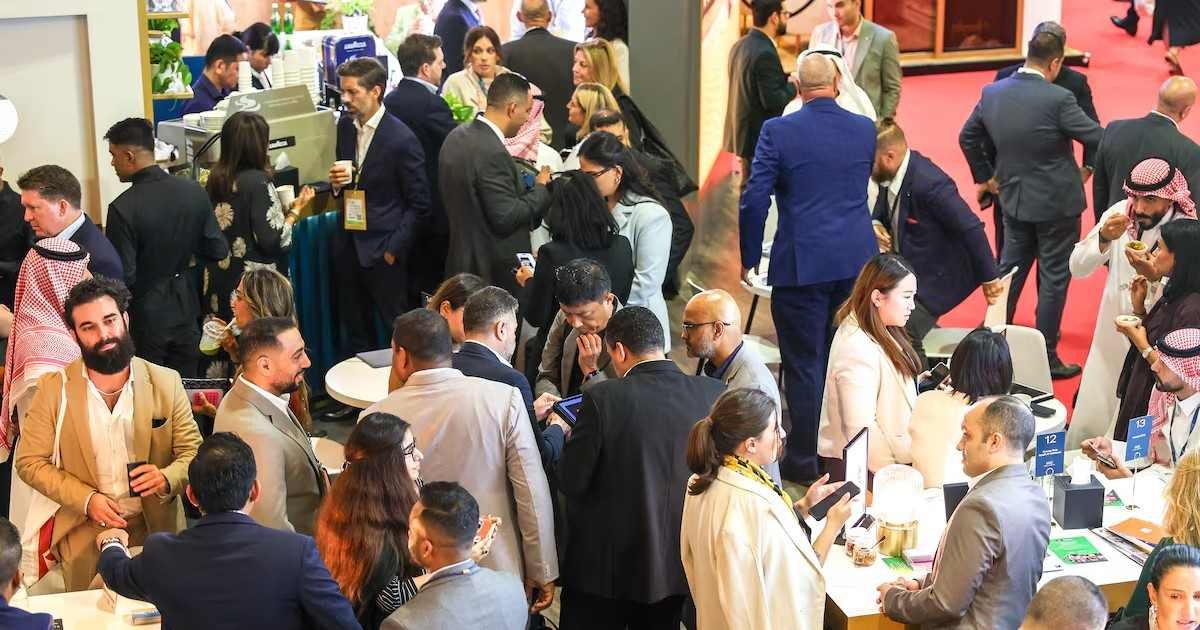
The UAE has taken a significant step toward positioning itself as a single, cohesive tourism destination with the launch of two major new initiatives at the Arabian Travel Market in Dubai. The Visit UAE identity and the accompanying Grand Tour platform mark the country’s first unified national tourism brand at the federal level, bringing together the individual offerings of all seven emirates under one consolidated umbrella.
Abdulla bin Touq, Minister of Economy and Tourism, unveiled the initiatives this week, describing them as complementary efforts to showcase the diversity of experiences across the country while giving visitors a clearer, more integrated way to explore beyond a single emirate.
One Country, Seven Journeys


The Grand Tour platform, developed in partnership with Rocket International alongside tourism authorities from across the emirates, offers a series of itineraries stretching up to 14 days and spanning the entire country. Branded under the concept “one country, seven journeys,” the platform presents themed programmes ranging from eco-friendly and wellness-focused travel to adventure tourism and cultural heritage experiences.
The initiative directly addresses a long-standing pattern in UAE tourism, where visitors have tended to experience individual emirates — most commonly Dubai or Abu Dhabi — in isolation, rather than exploring the breadth of experiences available across the wider country. Secondary destinations including Ras Al Khaimah, Ajman and Fujairah have seen growing interest, with the three emirates together accounting for 35 per cent of total UAE-related searches on one major travel booking platform.
A Sector Emerging From a Difficult Period
The launch comes at a pivotal moment for the UAE’s tourism sector, which experienced significant disruption earlier this year. Dubai hotel occupancy fell to a low of 36 per cent in March before climbing steadily to reach 66 per cent by August — a recovery that officials have pointed to as evidence of the sector’s underlying resilience.
Speaking at the summit, the tourism minister struck a notably optimistic tone about the path ahead, framing the difficult period as behind the country and describing a coming period of growth for the sector building on decades of accumulated strength.
Strong Demand From Neighbouring Markets
Industry figures point to particularly robust demand from within the region. Across the Gulf Co-operation Council, flight bookings to the UAE increased by more than 60 per cent year-on-year during the first half of 2026, according to Trip.com’s Middle East and North Africa general manager. Hotel bookings over the same period grew by an even more striking 130 per cent, while bookings for attractions and activities rose by 120 per cent.
Beyond the immediate region, the UK remains the UAE’s leading international source market for bookings, followed by Russia, France, the US and India — reflecting what industry observers describe as a healthy and increasingly diversified inbound tourism market extending well beyond flights alone into hotels and on-the-ground experiences.
Airlines Ramping Back Up
The tourism push is being reinforced by a significant expansion in airline capacity. Emirates is approaching its winter season operating at around 93 per cent of pre-disruption capacity, having carried more than 8.6 million passengers across July and August combined, with arrivals into Dubai in the latter half of August up 7 per cent compared with the same period last year.
The airline has also accelerated a major product upgrade programme, with over 100 aircraft now retrofitted and premium economy seating available on a growing share of its fleet. New and expanded routes are being added heading into the winter season, including a fresh service to Helsinki and additional daily flights to several Asian and African destinations.
Budget carrier flydubai is similarly expanding, having crossed the milestone of 100 aircraft in its fleet, with further Boeing 737 MAX deliveries planned before year-end alongside a retrofit programme introducing lie-flat business-class seating across a portion of its aircraft over the coming year.
Shorter Booking Windows Remain a Challenge
Despite the broadly positive trajectory, one persistent complication remains: shorter booking lead times, a pattern that emerged during the period of disruption earlier this year and has not yet fully reversed. This trend has made forecasting more difficult for airlines and hotels alike, placing a premium on flexible booking policies. Emirates has responded by introducing more generous date-change options across its network to accommodate the shift in traveller behaviour.
Diversification as the Long-Term Strategy
Industry figures speaking at the summit emphasised that diversifying revenue streams — spanning leisure, business events, and a broader mix of source markets — will be essential to sustaining the sector’s recovery through future periods of uncertainty. Business events in particular are being positioned not as a standalone pillar but as an integrated part of destination development, with several emirates continuing to invest in venues and infrastructure alongside their broader tourism strategies.
With the Grand Tour and Visit UAE initiatives now in place, and airline capacity steadily returning, the UAE’s tourism sector appears to be entering its winter season with renewed confidence following a challenging first
half of the year.


Comments 1