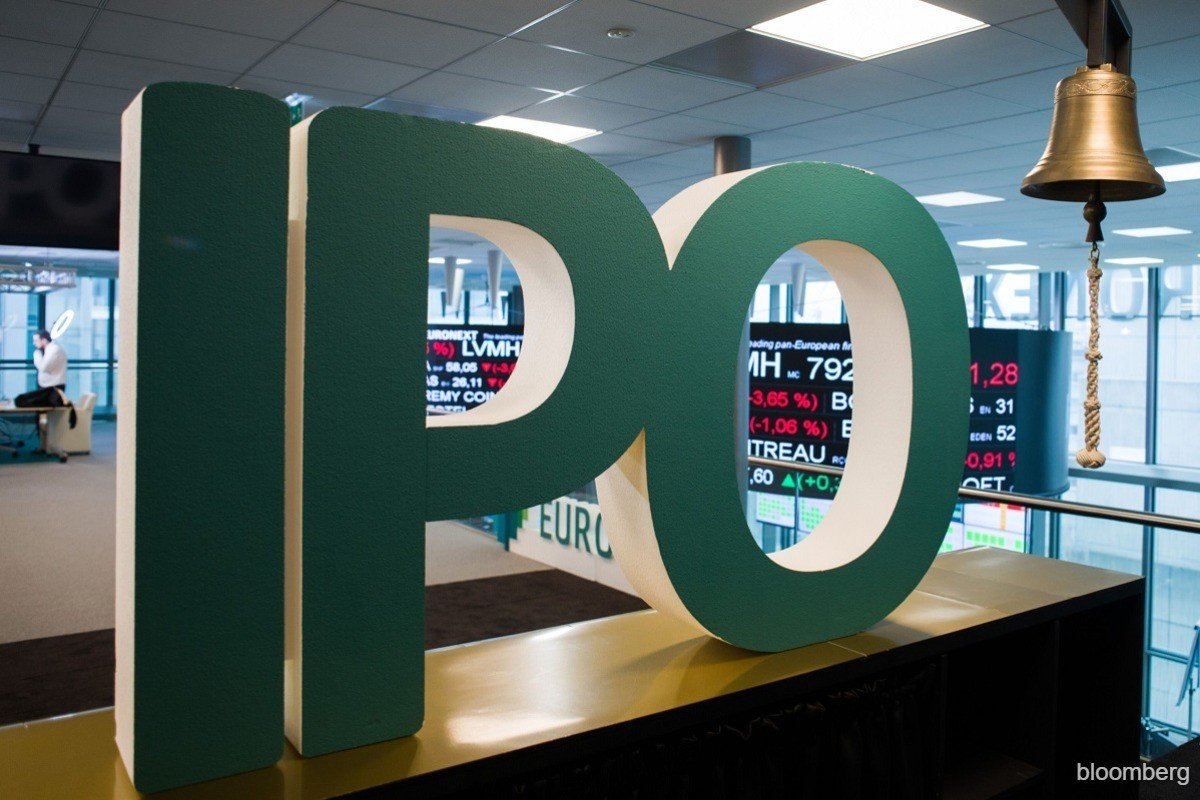
Two stories are shaping UAE markets this week: a diplomatic hint that has calmed nerves over oil, and a long-awaited public offering from Dubai.
On Monday, both of the country’s main equity indexes finished in positive territory. The FTSE ADX General Index in Abu Dhabi rose 0.26 per cent, while the Dubai Financial Market General Index gained 0.64 per cent. The catalyst was not corporate news but geopolitics. A tentative plan to reopen the Strait of Hormuz over a short timetable lowered the odds of a prolonged shipping shock and pulled crude prices back from recent highs.
Oil moves, and the market follows
Because the strait is a critical artery for global oil flows, any sign that disruption may fade tends to reduce the risk premium on crude and make regional assets look less risky. One report put Brent’s fall at roughly 4.5 per cent to about $108 a barrel on Monday, while Gulf News reported that Brent settled 7.63 per cent lower at $104.77 on optimism over a possible breakthrough. The difference reflects timing and the contracts used, but the direction was unambiguous.
The relief is fragile. Brent edged back up in early Asian trading today after reports of US strikes on Iran’s Qeshm Island. Investors are treating each diplomatic headline as provisional, and the Hormuz question is not close to resolution.
Where the indexes stand
Even with Monday’s gains, UAE equities are still a little below where they started the year. Market data published this morning shows the Abu Dhabi index at about 9,491 and Dubai’s at about 5,808. Abu Dhabi’s benchmark hit an all-time high above 10,700 in February, before the regional conflict began to weigh on sentiment. Monday’s winners on the Dubai exchange included Emirates Reem Investments, Talabat Holding and Emaar Development, while Aramex and Dubai National Insurance were among the decliners.
The IPO everyone is watching
Away from the oil headlines, the main corporate event is the offering of DIP Holding. Dubai Investments is selling 20 per cent of the company, which operates Dubai Investments Park, in the UAE’s first IPO of 2026.
The key figures reported so far are as follows:
- Price range: AED 1.10 to AED 1.15 per share
- Amount to be raised: about AED 2 billion (roughly $543 million)
- Implied valuation: AED 9.5 billion to AED 10 billion
- Subscription period: 27 October to 3 November (closes today)
- Final price: due on 4 November
- First day of trading on the DFM: expected on 11 November
An IPO of this size is a useful gauge of appetite. Offerings have been scarce this year as investors weighed regional risk, so the response will be read as a signal on whether global and local money is willing to commit to Dubai assets while the conflict remains unresolved.
What it means for investors
For retail and institutional participants, the next week brings a clear sequence. Final pricing tomorrow will reveal whether demand pushed the price to the top of the range or whether the sellers had to settle lower. First trading on 11 November will then show how the market values the company once it is free to move.
For the wider market, the lesson of Monday’s session is that sentiment remains tied to the Hormuz story. Gains driven by diplomacy can reverse quickly if talks stall, and analysts continue to caution that a signed agreement, not a draft proposal, is what would change the outlook durably.
Key dates ahead
- 4 November: DIP Holding final offer price announced
- 11 November: DIP Holding expected to begin trading on the DFM
- 12 November: Air Arabia reports results
Investors should confirm all dates and prices directly with the Dubai Financial Market and the offering banks, as schedules can change.


Comments 1