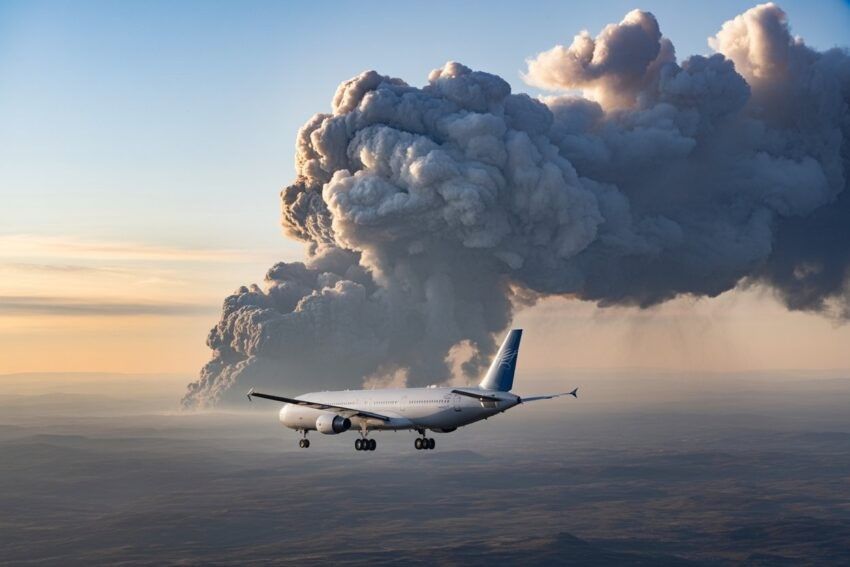
UAE Flights Operate Normally Despite Volcanic Eruption in Ethiopia
Major UAE carriers have confirmed that their flight operations continue unaffected by the recent volcanic eruption in Ethiopia and the subsequent ash cloud. Airlines including Emirates, Etihad Airways, and flydubai have all stated that their services are running as scheduled, including flights to and from the Ethiopian capital, Addis Ababa.
The eruption of the Hayli Gubbi volcano in Ethiopia’s Afar region began on November 23, propelling a large plume of ash and sulphur dioxide high into the atmosphere. This plume has been tracked drifting eastward over Yemen, Oman, and into parts of South Asia. Despite its widespread nature, the Dubai Airports website shows flights to and from Addis Ababa are arriving and departing on time, confirming the airlines’ statements.
Why UAE Airspace Remains Unaffected
The primary reason for the uninterrupted service in the UAE is the specific altitude of the ash cloud. According to aviation monitoring services, the plume is stabilizing “below normal cruising altitude” for commercial jets. This means that aircraft flying at their standard higher altitudes can safely pass over the ash without encountering the hazardous particles that can cause engine damage and reduced visibility.
While the situation is stable for now, airlines are maintaining a state of heightened vigilance. Etihad Airways issued a statement emphasizing that “the safety of our guests and crew remains our highest priority” and that they are “monitoring the situation closely.” They, along with other carriers, have advised passengers to keep their contact details updated to receive any real-time notifications.
Contrasting Impact: Disruptions Reported in South Asia
The situation presents a stark contrast in other regions. While UAE airspace remains clear, Indian carriers have announced numerous flight cancellations and diversions. The ash cloud has reached parts of Indian airspace, particularly over western and northern regions, impacting flight paths for routes to the Gulf.
For instance, one flight from India to Abu Dhabi was notably diverted due to ash-cloud concerns. This highlights the localized nature of the disruption and how flight paths and altitude play a critical role in managing such natural events.
Also Read: Inside the Secret US-Brokered Peace Negotiations Between Russia and Ukraine in Abu Dhabi
Proactive Measures and Passenger Advice
Aviation authorities across the region have issued standard advisories, urging operators to monitor ash-cloud movement, inspect aircraft engines, and plan for alternate routing if necessary. The proactive stance of UAE airlines and regulators has been key to maintaining normal operations.
For travellers, the message is one of cautious reassurance. Passengers flying with Emirates, Etihad, or flydubai can currently proceed with their plans confidently. However, given the dynamic nature of volcanic ash clouds, all passengers are strongly encouraged to:
Check their flight status directly on the airline’s website or app before heading to the airport.
Ensure their contact information is up-to-date in their booking to receive immediate alerts.
Stay informed about general travel advisories.
In summary, despite the significant volcanic eruption in Ethiopia, flights operated by major UAE carriers are operating normally. The strategic altitude management of aircraft has allowed services to Addis Ababa and other global destinations to continue without disruption, providing reassurance to travelers during the busy holiday period.


