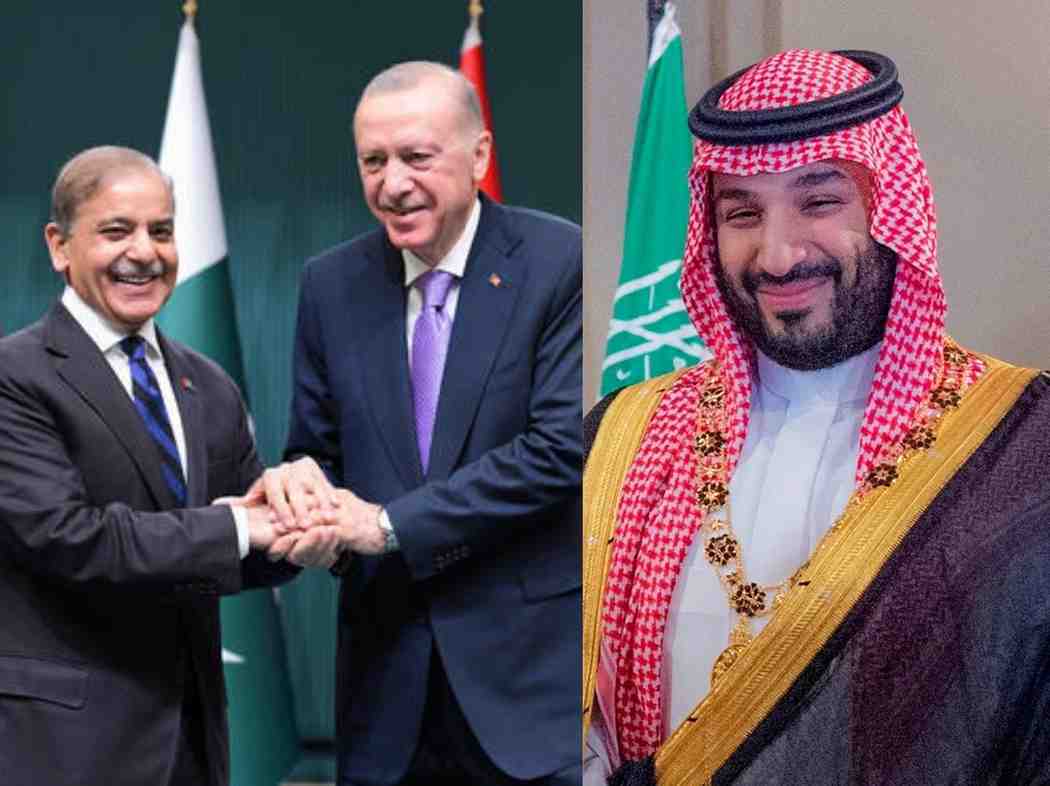
Turkey’s Potential Entry Could Transform Saudi-Pakistan Pact into an “Islamic NATO”
A significant shift in regional security is on the horizon as Turkey moves closer to joining a mutual defense pact between Saudi Arabia and Pakistan. This expansion could create a powerful trilateral bloc analysts are describing as a potential “Islamic NATO,” reshaping power dynamics across the Middle East and South Asia.
The Foundation: A Bilateral Pact with NATO-Style Language
The core agreement, signed in September 2025, binds Saudi Arabia and Pakistan in a commitment where “any aggression” against one is treated as aggression against both—language mirroring NATO’s Article 5. Turkey’s accession would transform this into a broader, more formidable alliance.
A Triad of Complementary Military Strength
Each nation brings distinct, powerful assets to a combined defense framework:
Saudi Arabia: Financial resources and political influence in the Gulf and Islamic world.
Pakistan: Nuclear deterrence, ballistic missiles, and a large, experienced military.
Turkey: Advanced military capabilities, a robust defense industry, and NATO-member infrastructure.
Strategic Motivations: Hedging and Independence
The pact serves key strategic goals for all parties:
Saudi Arabia & Pakistan: It formalizes a decades-long security relationship into a binding mutual defense framework.
Turkey: It represents a move towards strategic autonomy, allowing Ankara to advance its security interests beyond traditional Western alliances amid perceived uncertainties in U.S. commitments.
Improved Relations Paving the Way
Turkey’s potential entry reflects significantly improved ties between Ankara and Riyadh after years of rivalry. Recent diplomacy, joint exercises, and trade have repaired relations, enabling deeper security cooperation. The pact is not framed as anti-Iran, as both Turkey and Saudi Arabia generally favor engagement with Tehran.
Existing and Expanding Military Cooperation
Substantial defense collaboration already exists:
Turkey-Pakistan: Joint naval projects, F-16 upgrades, and UAV technology sharing.
Saudi-Turkey: Discussions on Saudi involvement in Turkey’s Kaan fifth-generation fighter jet programme.
Broader Geopolitical Implications
This emerging bloc occurs amid heightened regional tensions. It signals a more assertive posture by key Muslim-majority states in managing shared security concerns, from South Asian rivalries to Middle Eastern instability. For Pakistan, it strengthens deterrence; for Saudi Arabia, it provides security assurances; for Turkey, it expands influence.
Conclusion: A New Security Architecture in the Making
While the final details of Turkey’s accession are pending, the potential trilateral pact marks a pivotal moment. It points to a new phase of defense cooperation in the Islamic world, challenging existing security paradigms and potentially creating a NATO-like security umbrella that could redefine geopolitical alignments for years to come.


