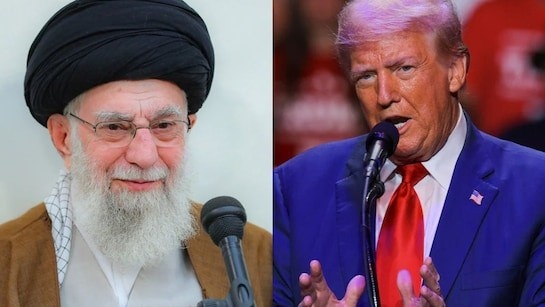
Oman Confirms New Round of US-Iran Negotiations in Geneva Amid Rising Tensions
Muscat, Oman — Oman has officially confirmed that a new round of indirect negotiations between the United States and Iran will take place in Geneva, Switzerland, on Thursday, February 26, 2026. The announcement came from Omani Foreign Minister Sayyid Badr bin Hamad Albusaidi, who said the talks are set with a “positive push” to go the extra mile toward finalising a deal that has eluded diplomats for years.
The talks represent the third round of diplomatic engagement between Washington and Tehran over Iran’s nuclear programme, taking place against a backdrop of increasing military pressure, regional tensions, and diplomatic challenges that have made the process delicate and unpredictable. The confirmation comes at a moment when the window for diplomacy appears to be narrowing, with U.S. officials hinting at potential military action if negotiations fail to produce meaningful progress within weeks.
Role of Oman in Mediation
Oman has once again emerged as the key mediator in this fraught diplomatic effort, continuing a tradition of Gulf mediation that has seen Muscat facilitate sensitive communications between Tehran and Washington for decades. The nation’s neutral stance and longstanding ties with both the United States and Iran have positioned it as a preferred intermediary trusted by both sides to convey messages accurately and maintain confidentiality.
Albusaidi’s confirmation underscores Muscat’s commitment to facilitating dialogue even as tensions escalate elsewhere and hardliners on both sides question the value of continued engagement. In his social media post, the minister said that the talks would focus on building on progress from prior rounds and steering the discussions toward a possible framework agreement or confidence-building measures that could reduce tensions and create space for more comprehensive negotiations.
The Omani government has repeatedly stated that constructive diplomacy is the best route to avert conflict that would destabilise the entire Gulf region, and its mediators have been working behind the scenes for months to arrange this latest round of talks.
What the Geneva Talks Aim to Address
The primary subject of these negotiations remains the nuclear programme of Iran, which the United States and many Western nations fear could be weaponised despite Tehran’s repeated denials. The core concern is the potential for enriched uranium to be diverted from civilian purposes to weapons production, a fear that has driven U.S. policy toward Iran for decades.
Tehran, for its part, insists its nuclear activities are peaceful and within its rights under international agreements, although it has enriched uranium to levels beyond limits set by past treaties, including the 2015 Joint Comprehensive Plan of Action (JCPOA) from which the United States withdrew in 2018. Iran’s nuclear advances since the U.S. withdrawal have shortened the theoretical “breakout time” needed to produce weapons-grade material, adding urgency to current diplomatic efforts.
Iran’s Foreign Minister Abbas Araghchi — who is expected to lead Tehran’s delegation in Geneva — has indicated that Iran is working on a proposal that could help break the stalemate that has frustrated previous rounds of talks. In interviews with foreign media, he said there is a “good chance” of progress if the negotiations properly balance both sides’ core concerns and respect Iran’s red lines regarding its nuclear infrastructure.
Key issues likely to be discussed include:
Uranium enrichment levels and monitoring, with the U.S. seeking caps that would extend the breakout time and Iran resisting limits that would undermine what it views as its sovereign right to peaceful nuclear technology.
Mechanisms for International Atomic Energy Agency (IAEA) inspections, with the U.S. demanding unfettered access to verify compliance and Iran insisting on protections for its sensitive military sites.
Potential sanctions relief in return for verified limits on nuclear activities, with Tehran seeking meaningful economic benefits as part of any agreement and Washington wanting to maintain leverage through sanctions that can be snapped back if Iran violates terms.
Both sides have historically disagreed on the extent of uranium enrichment Iran should be allowed to retain and the sequencing of sanctions relief versus verified compliance, with each wanting the other to move first on key concessions.
Context of Escalating Tensions
This diplomatic engagement comes amid heightened geopolitical tension that has raised the stakes for these talks considerably. The United States has bolstered its military presence in the Middle East, and President Donald Trump has issued warnings that military strikes against Iran could be possible if negotiations fail, setting a 10- to 15-day window for meaningful progress beyond which Washington might consider more forceful options.
The U.S. military buildup, described as the largest in the region in decades, includes carrier strike groups, advanced fighter aircraft, and missile defences positioned near Iran’s borders. This posture is intended as both deterrence and preparation, giving Washington options if diplomacy collapses.
Iran, meanwhile, has maintained that it will defend its interests and its nuclear programme resolutely. Its leaders view the enrichment capability as a matter of national dignity and technical sovereignty, resisting full cessation absent legally binding security guarantees and economic relief that would require congressional action the administration may not be able to guarantee.
Iran has also faced internal unrest, with new anti-government protests reported in university cities where students have voiced anger over economic conditions and political repression. Demonstrators are voicing broader discontent amid political strain — a factor that further complicates Tehran’s diplomatic calculus by adding domestic pressure on a leadership already facing significant challenges.
Diplomatic Stakes and Future Prospects
The Geneva talks are widely seen as a critical juncture in US-Iran relations, with the potential to either reduce tensions or accelerate toward confrontation. Analysts suggest that reaching even a partial or interim agreement could help reduce the risk of military conflict, which both countries publicly wish to avoid while positioning forces for potential engagement.
At the same time, failure to reach a compromise might embolden hardliners on both sides and increase the likelihood of confrontation in the region, potentially drawing in other powers and destabilising an already volatile area. The involvement of Oman as mediator provides a trusted channel, but ultimately the parties themselves must find common ground.
For now, expectations are cautious. The Geneva meeting on Thursday is likely to focus on technical resolutions and confidence-building steps rather than sweeping political breakthroughs that would require higher-level approval. Both sides will be watching closely for signs of genuine willingness to make concessions while keeping strategic interests intact, testing whether the other is serious about reaching an agreement or merely buying time.
The Omani Role
Oman’s mediation has been crucial to every round of US-Iran dialogue, providing a discreet channel that allows both sides to communicate without the pressure of direct engagement. Omani diplomats have shuttled between Washington and Tehran, carrying messages and proposals that might be impossible to deliver through official diplomatic channels given the absence of formal relations between the U.S. and Iran.
Sultan Haitham bin Tariq’s government has made mediation a cornerstone of its foreign policy, positioning Oman as a bridge between rival powers and a voice for diplomacy in a region often defined by conflict.
Looking Ahead
As the February 26 talks approach, the world watches to see whether this round will produce the breakthrough that has eluded previous efforts. The combination of military pressure, diplomatic engagement, and Omani mediation creates conditions that could, in theory, produce progress. Whether those conditions are sufficient to overcome decades of mistrust and conflicting interests remains to be seen.
Oman confirms. Geneva prepares. The world awaits the next chapter in the US-Iran nuclear saga.


