The first signs of a recovery in international air links to the UAE are appearing, although the timetable depends heavily on the airline.
Over the past several days, a number of foreign carriers have set dates to restart Dubai services. Others have pushed their suspensions further out. UAE airports themselves remain open and are operating at close to normal levels.
Who is coming back
The largest announcement comes from the Lufthansa Group, which says it will rebuild its Dubai network gradually from late October and reach up to 36 weekly flights at peak. The plan unfolds in stages:
- Munich–Dubai: five weekly flights from 25 October on an Airbus A350-900.
- Frankfurt–Dubai: four weekly flights from 26 October, rising to five from 9 November.
- SWISS, Zurich–Dubai: daily flights from 27 October.
- Eurowings, Berlin–Dubai: daily flights from 1 November. Stuttgart–Dubai is planned four times weekly from the same date, and Cologne/Bonn three times weekly from 3 November.
- Austrian Airlines, Vienna–Dubai: five weekly flights from 12 December.
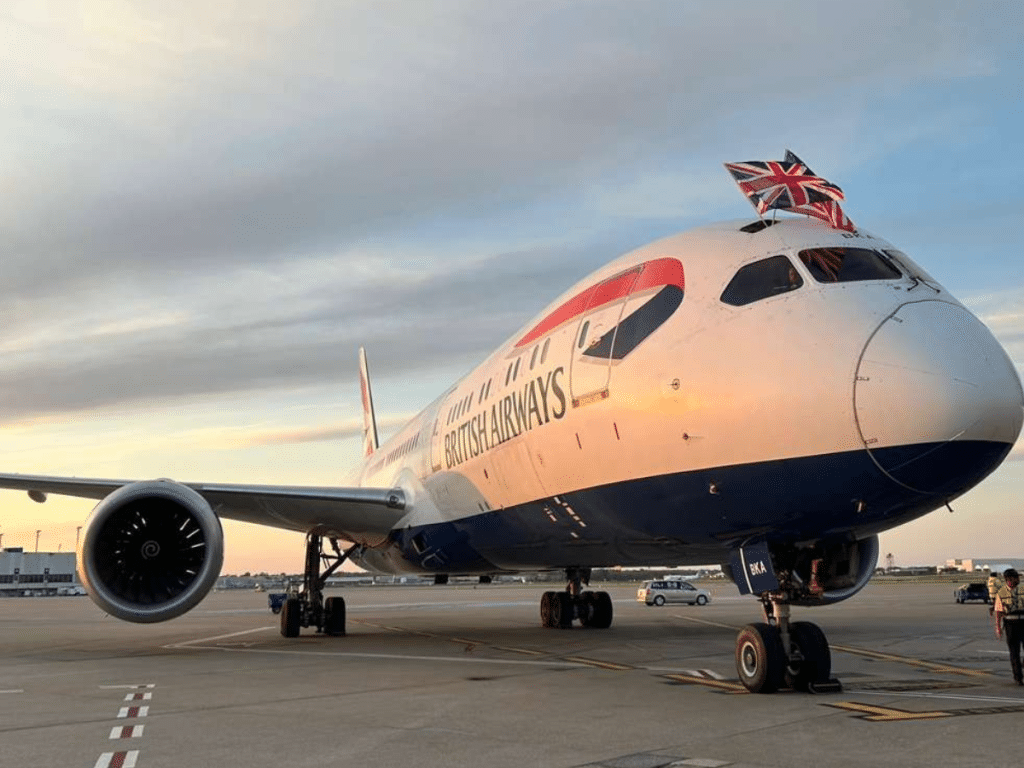
Other carriers have also named dates. Wizz Air expects to restart Dubai services on 24 and 25 October, with Abu Dhabi following around the end of the month. British Airways plans to resume Dubai flights on 3 November.
Some airlines have already returned. Air Astana restarted its Almaty and Astana services to Dubai on 1 and 2 October. Philippine Airlines has resumed Dubai–Manila flights, with bookings open from Monday.
Who is still away
Not every carrier is ready. Air France has extended its suspension of flights to and from Dubai and Riyadh through 24 October and says it is monitoring developments. Singapore Airlines has cancelled the SQ494 and SQ495 Dubai services until 1 December. Cathay Pacific has cancelled Dubai and Riyadh passenger flights through 31 January 2027 and is offering rebooking, rerouting or refunds.
Abu Dhabi is recovering more slowly. Lufthansa, SWISS, Austrian Airlines and Edelweiss have all suspended Abu Dhabi flights through 24 October, and Eurowings has given no restart date. British Airways has suspended Abu Dhabi until winter 2027–28.
Monday at the airports
Dubai International and Abu Dhabi’s Zayed International were both open on Monday, but several flights faced delays. At Dubai, morning delays affected services by Emirates, flydubai, Turkish Airlines, Air India and RwandAir. Cancellations included a SpiceJet flight to Pune and flydubai services to Moscow and Bangkok. flydubai’s Tel Aviv flights remain cancelled after the FZ1073 incident.
Air Arabia cancelled a number of Sharjah services, including routes to Kuwait, Bahrain, Doha and Chattogram. Etihad and Emirates reported no major disruption, apart from some delays.
The disruptions are not all linked to the regional situation. Operational and technical issues also play a part.
Travel advisories
Government guidance has softened in places but not everywhere. The UK Foreign Office has dropped its broad warning against all but essential travel to the UAE, though it still warns of possible flight cancellations and airspace disruption. The United States keeps the UAE at Level 3, “reconsider travel”. Australia advises travellers to reconsider their need to travel. Canada urges a high degree of caution.
European aviation regulators have extended their conflict-zone information bulletin until 16 November. It tells operators to avoid airspace across several Gulf states, including the UAE.
Advice for passengers
Airlines and Dubai’s carriers are giving similar guidance. Confirm your flight status before leaving home, even if your booking was previously confirmed. Passengers are advised to arrive at least three hours before departure. flydubai asks customers to allow four hours and to complete online check-in where possible. Keep contact details updated with the airline so you receive disruption alerts.
With more carriers set to return within weeks, UAE-bound capacity should improve by November. Until then, the best protection for travellers is flexibility.


Comments 1