DUBAI – Travellers in the UAE face another round of disruption on Wednesday as airlines extend their suspensions of flights to Saudi Arabia. Regional military tensions are showing no sign of easing.
Etihad Airways has cancelled its Abu Dhabi flights to Riyadh and Dammam until 30 November, according to the latest flight-status updates. An earlier notice had suggested those services would resume after 19 November, so passengers should treat the later date as current.
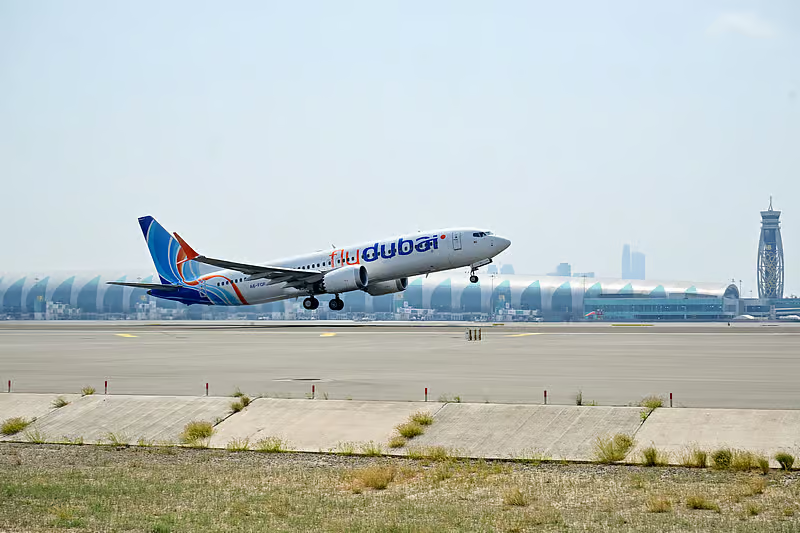
flydubai has extended its cancellations to Riyadh and Abha until 27 November, as the disruption continues to affect its Saudi network.
What has been cancelled
Flight-status information for Wednesday showed a mixed picture. Some flydubai services, such as Dammam arrivals, were operating. Others, such as flights to Abha, were cancelled.
The carrier’s Dubai–Tel Aviv service remains suspended through at least late November.
Foreign airlines have also adjusted their schedules. KLM has cancelled Riyadh and Dammam flights until 27 November. ITA Airways has suspended its Dubai services until 30 November. Akasa Air, the Indian carrier, has suspended flights to Riyadh and Jeddah through the same date. Reports also indicated that some SpiceJet routes between India and the region were affected.
Because the situation changes quickly, schedules can shift within hours. Passengers should confirm the status of their flight directly with the airline before leaving for the airport.
Why Saudi routes are affected
The disruption follows a sharp rise in attacks across the Gulf. On Tuesday, Iran-linked strikes targeted Bahrain and Kuwait, and a UAE-owned vessel was attacked in the Strait of Hormuz. The war involving Iran began on 28 February and diplomatic efforts have stalled.
Saudi Arabia faces its own pressures. The Saudi-led coalition said it destroyed 60 Houthi military targets across Yemen, including missile storage tunnels and drone facilities. It also said it intercepted a Houthi cruise missile launched towards the Riyadh area. Fighting between the coalition and the Houthis resumed in July after a calm that had lasted since April 2022.
Airlines weigh these risks carefully. Even where airspace remains technically open, carriers may suspend routes if they judge the safety environment uncertain. The extensions suggest operators expect the situation to persist for at least another two weeks.
What passengers should do
Anyone booked to travel to or from affected cities should check with their airline first. That is the only reliable way to learn whether a flight is operating, delayed or cancelled.
Passengers with cancelled flights should ask about rebooking and refund options directly with the carrier. Travellers booked through agents should contact them as well, since arrangements can differ.
Reports on Wednesday advised extra caution for travel to Saudi Arabia, Bahrain, Kuwait and Israel. The UAE’s foreign ministry also keeps a travel ban on Iran for Emirati nationals.
The holiday factor
The timing is awkward for many residents. The UAE has confirmed National Day holidays for early December: the private sector will have 2 and 3 December off, while public-sector staff will have 2 to 4 December. Many families typically use the break to travel.
The current cancellations run only to the end of November. But if the situation worsens, further extensions could affect plans for the holiday period. Residents planning trips to the region should stay in touch with their airlines and consider flexible booking options.
What to watch next
Several questions will determine how long the disruption lasts. Will Iranian attacks on Gulf states continue? Will the Saudi-led coalition’s operations against the Houthis expand? Will diplomatic channels produce progress on the wider war?
For airlines, each new incident adds to the cost of keeping routes open. For passengers, the practical advice remains the same: verify before you travel.


Comments 1