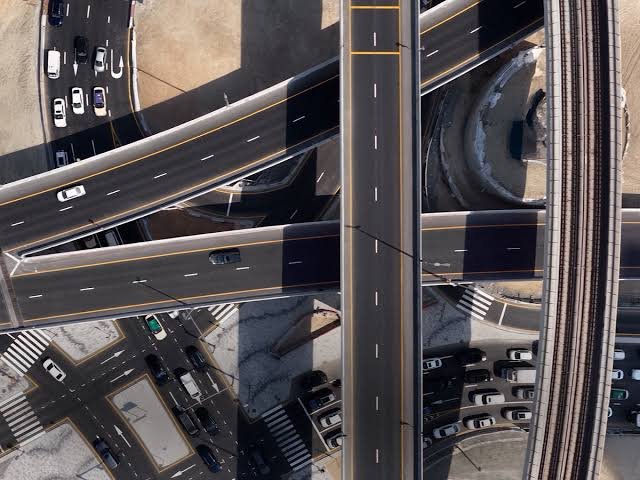
Drivers who know the World Trade Centre Roundabout as one of the city’s most persistent bottlenecks will get a different experience from Friday, when the last of five new bridges opens to traffic.
The Roads and Transport Authority (RTA) will open the final bridge of the project on Friday, October 30, 2026, marking the completion of a scheme that cost more than Dh696 million.
What the new bridge does
The new bridge is 1,000 metres long, has two lanes and can handle about 3,000 vehicles an hour. It will carry traffic from Al Majlis Street towards 2nd December Street. The RTA says the trip from Al Majlis Street to 2nd December Street will drop from six minutes to one.
For drivers, the other benefit is the removal of the roundabout from the route. Drivers will no longer need to navigate the former roundabout.
The project in numbers
The bridge completes a long programme. With its opening, the RTA will have finished all major works under the project, which comprises five bridges with a combined length of 5,000 metres.
According to the RTA, the overall project reduces delays at the intersection from 12 minutes to 90 seconds, serves 500,000 people and provides free-flowing traffic in all directions. The authority also says the work raises capacity by 33 per cent, and cuts a longer journey on the corridor from 13 minutes to six.
Why this junction matters
The roundabout sits where Sheikh Zayed Road meets the roads serving Za’abeel, Trade Centre, Downtown Dubai and the routes to Deira. Many of the city’s offices, hotels, exhibition venues and residential towers are within a few minutes. Delays there have an outsized effect on commutes, deliveries and event traffic.
The project also includes a 1,000-metre bridge linking Sheikh Zayed Road to Sheikh Khalifa bin Zayed Street towards Deira, and a 400-metre, two-lane bridge serving traffic from Dubai World Trade Centre towards the intersection of Za’abeel Palace Street and Al Mustaqbal Street.
A note on the numbers
The RTA’s published figures use several different baselines. A trip of six minutes becomes one on the specific Al Majlis to 2nd December Street route. A longer corridor journey falls from 13 minutes to six. The Al Mustaqbal Street section falls from eight minutes to three and a half. Drivers should expect savings that depend on where they enter and leave the corridor, and on the time of day.
Savings are also forecasts. They will become clearer after a few weeks of real traffic, particularly at peak hours and around large events at the Trade Centre.
What drivers should expect on Friday
Opening days can bring some uncertainty. Motorists unfamiliar with the new layout may slow down to read signs, and navigation apps may take time to update. Work will continue in the area after the bridge opens. Drivers should allow extra time during the first few days and follow signage and RTA updates.
The wider picture
Dubai has spent heavily on road upgrades as its population and visitor numbers have grown. This project is among the more visible, because it affects the heart of the city. The authority’s argument is that removing conflict points, rather than adding more lanes, is the most effective way to speed up traffic.
If the forecast holds, the new bridges should make the Trade Centre area easier to reach by car. Pedestrians, cyclists and Metro users will also be watching to see whether the area becomes easier to cross.


Comments 1