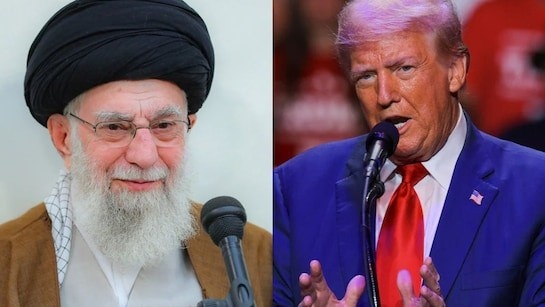
Trump Postpones Planned Strikes on Iranian Power Plants Amid Signs of Diplomatic Progress
Washington: U.S. President Donald Trump has announced a temporary halt to planned military strikes on Iranian power plants, signaling a possible shift toward diplomacy in the ongoing conflict between the two nations. The decision comes after what Trump described as “productive” and “constructive” discussions with Iranian representatives, raising cautious hopes for de-escalation after weeks of intense fighting.
Speaking to reporters, Trump said the United States had engaged in high-level talks with Iran in recent days and that both sides had reached “major points of agreement” on several issues. While he did not disclose specific details about the negotiations or the individuals involved, he indicated that further discussions were scheduled and that a potential breakthrough could be within reach.
The postponement of strikes—reportedly targeting Iran’s energy infrastructure, including power plants—marks a significant development in a conflict that has already caused widespread instability in global markets and heightened geopolitical tensions. Trump suggested that delaying military action would allow more time for diplomacy to play out, emphasizing that the situation remains fluid and subject to change.
The conflict, which escalated sharply after joint U.S. and Israeli strikes on Iranian targets in late February, has had far-reaching consequences. It disrupted global oil supplies, triggered sharp increases in energy prices, and raised fears of a broader regional war. Iran’s actions, including threats to shut down the strategically critical Strait of Hormuz, have further intensified concerns about global energy security.
Trump’s decision to pause the strikes had an immediate impact on financial markets. Oil prices fell sharply, while stock markets across the world rallied as investor confidence improved amid expectations of reduced tensions. Analysts noted that even a temporary de-escalation could provide relief to economies that have been grappling with volatile energy costs and uncertainty.
Despite the apparent optimism from Washington, Iranian officials have pushed back against Trump’s claims of active negotiations. Reports from Iranian state-linked media suggested that no direct or indirect talks had taken place, casting doubt on the extent of diplomatic progress. This conflicting narrative has added a layer of uncertainty to the situation, with observers questioning whether the pause in military action represents a genuine step toward peace or a temporary strategic move.
The proposed strikes on Iranian power plants were seen as part of a broader strategy to pressure Tehran by targeting critical infrastructure. However, such actions also carried the risk of severe humanitarian and economic consequences, as well as the potential to further escalate hostilities. By postponing the attacks, the U.S. administration appears to be weighing these risks against the possibility of a negotiated settlement.
The ongoing conflict has already taken a heavy toll, with thousands of casualties reported and significant damage to infrastructure across the region. It has also strained international relations, as global powers and regional actors closely monitor developments and call for restraint. Diplomatic efforts involving multiple countries are reportedly underway, though concrete outcomes remain uncertain.
Trump’s move to delay the strikes is being interpreted by some analysts as a tactical decision aimed at easing immediate pressures while keeping military options open. Others view it as an opportunity to build momentum toward a ceasefire or broader agreement that could stabilize the region. However, experts caution that the situation remains highly volatile, and any breakdown in talks could quickly lead to renewed escalation.
For now, the focus remains on the next round of discussions and whether they can translate into meaningful progress. While the postponement offers a brief window of hope, the path to a lasting resolution appears complex and uncertain.
As the situation unfolds, both diplomatic engagement and military preparedness are likely to continue shaping the trajectory of the conflict, with global implications hanging in the balance. The coming days will be critical in determining whether this pause in military action leads to sustained de-escalation or proves to be a temporary lull before further confrontation. World leaders and financial markets alike will be watching closely as diplomatic efforts intensify behind the scenes.


