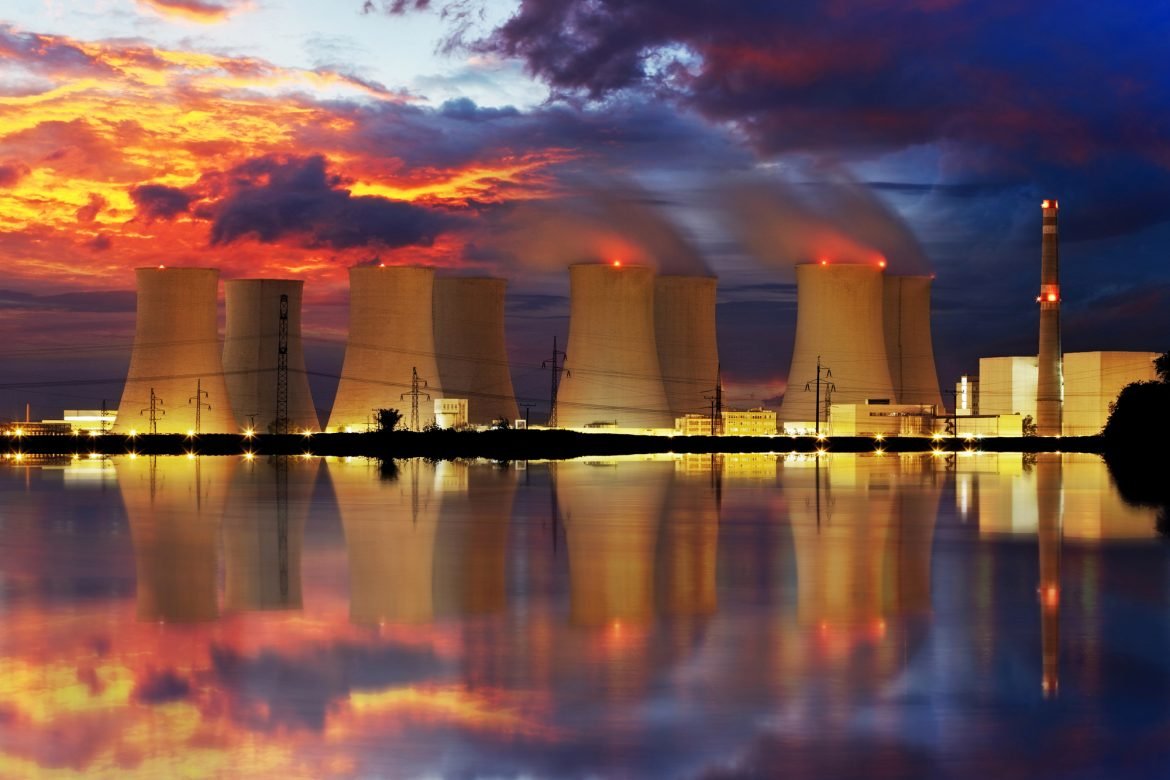
The disruption in the Strait of Hormuz is changing how some of the world’s biggest energy buyers plan for the future. According to The National, Asian importers are moving faster toward nuclear power after the Iran war showed how heavily they rely on oil and gas shipped from the Gulf. For the UAE and its neighbours, the shift raises a long-term question about demand for their exports.
A pledge gathers pace
The movement gained momentum at the Cop31 climate summit in Turkey last week. China and five other countries joined a pledge to triple global nuclear capacity, bringing the number of backers to 39.
Asia is already the centre of new construction. According to Global Energy Monitor, the region accounts for 66 gigawatts of the 91 gigawatts of nuclear capacity being built worldwide, or 73 per cent. That is more than twice its share of operating capacity.
Why Gulf producers are watching
The stakes are high for Gulf exporters because their customers are overwhelmingly Asian. The US Energy Information Administration estimates that Asia bought 84 per cent of the crude oil and condensate and 83 per cent of the liquefied natural gas that passed through the Strait of Hormuz in 2024.
Before the conflict began on 28 February, more than 130 ships a day used the waterway. This week, tracking data showed commercial traffic through the strait almost at a standstill. That scale of disruption is what pushes governments to look for alternatives.
Governments respond
Japan sourced 93 per cent of its crude imports through Hormuz before the conflict, and it is now seeking to restart more reactors. South Korea has sped up maintenance at five offline units. Vietnam has agreed with Russia to build two reactors, and the Philippines is considering reviving a plant built in the 1970s and 1980s that never began operating.
On Tuesday, Japanese Prime Minister Sanae Takaichi proposed an Asian version of the International Energy Agency to coordinate oil stockpiles and emergency releases. She also called for stronger energy ties with Gulf producers. The two ideas point in different directions: one aims to cushion future shocks, the other to keep Gulf supply central to Asia’s plans.
The Gulf builds its own nuclear capacity
The Gulf is not standing still. The UAE’s 5.6-gigawatt Barakah plant already supplies about a quarter of the country’s electricity. It was targeted in a drone attack in May, an incident that drew global condemnation.
Saudi Arabia has invited international companies to bid for its first two reactors. It signed a nuclear cooperation agreement with the United States in July, which Democrats in the US Senate are seeking to block.
Forecasts and limits
The International Energy Agency expects global nuclear generation to grow by an average of 2.8 per cent a year to 2030, more than twice the pace of the previous five years. China is expected to add almost 30 gigawatts of capacity, while India’s nuclear output is forecast to rise 15 per cent a year.
Why exporters should not panic yet
The effect on Gulf exports will take years to show, and it may be smaller than the headlines suggest. Nuclear power competes mainly with gas in electricity generation, but it has far less impact on oil demand, which is driven largely by transport and industry.
Gas demand is still growing. The IEA forecasts that gas-fired generation will rise by about 5 per cent a year in China and 9.7 per cent in India this decade. In other words, new reactors may slow the growth of Asian gas imports without reversing it.
Economic implications for the UAE
For the UAE, two things stand out. First, a prolonged security crisis around Hormuz accelerates a diversification trend that was already under way, and it strengthens the argument for export routes that bypass the strait. Second, the Emirates is positioned on both sides of the issue, as a major exporter of hydrocarbons and as an operator of the Arab world’s first large nuclear plant.
This week’s US-UAE Business Council mission, which is looking at alternative shipping routes, shows how closely these themes connect. Energy security, trade routes and nuclear policy are now part of the same conversation.
What to watch
Key signals include how many countries sign the tripling pledge, whether Japan’s reactor restarts gain approval and whether Takaichi’s stockpile proposal wins support. The shape of the US-Saudi nuclear agreement will also matter for the region. The Emirates Times will follow these developments.


Comments 1