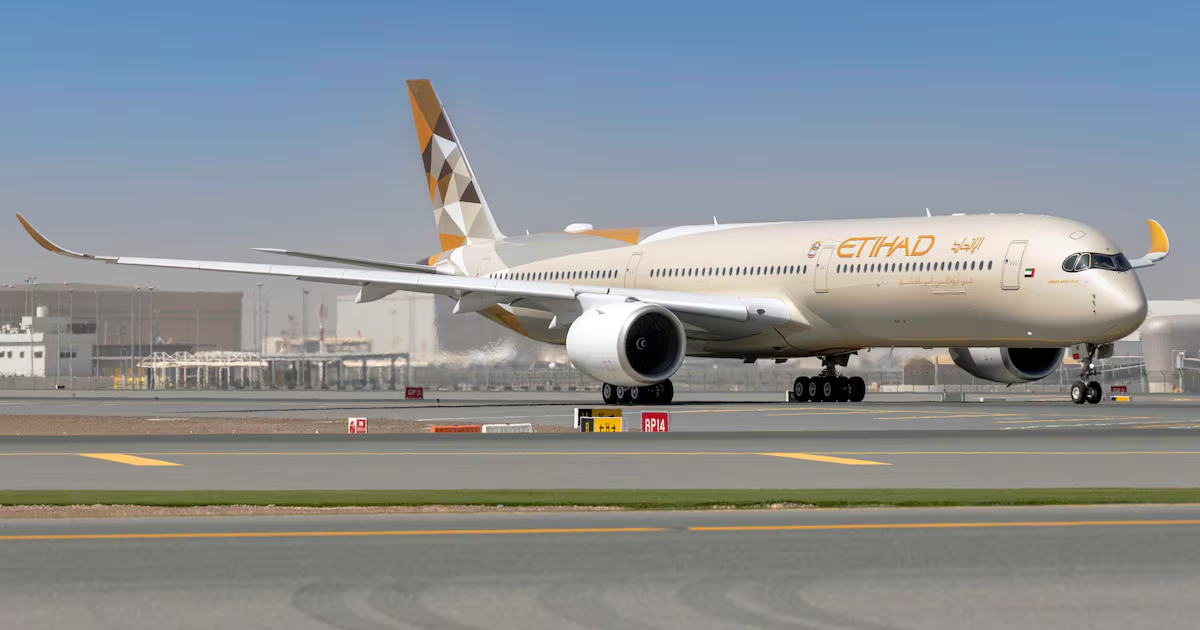
Travellers heading from the UAE to Saudi Arabia are still facing a patchwork of cancellations, even though the capital’s main airport is open again. Airlines say they will not restore full schedules until they are confident the security situation has settled.
King Khalid International Airport in Riyadh reopened on October 18 after a closure caused by Houthi attacks, but airlines including Etihad, Emirates and Qatar Airways kept cancelling or adjusting flights to Saudi Arabia.
Where UAE airlines stand
The picture differs from carrier to carrier, and it has been changing quickly.
Etihad Airways has extended cancellations between Abu Dhabi and three Saudi cities until October 24, citing regional disruption. Emirates has reported cancellations and schedule changes on services from Dubai to Riyadh, Jeddah and Dammam. Air Arabia has cancelled services between Sharjah and several Saudi destinations, including Riyadh, Abha, Dammam and Taif.
flydubai has also trimmed its Saudi network. Earlier this month the budget carrier cancelled flights to Abha, Dammam and Riyadh through October 14, extending an earlier advisory. At that stage, its services to Jeddah, AlUla and Neom were still operating normally. Travellers should check the carrier’s latest advisory, because routes are being added back or removed on short notice.
Foreign carriers are holding back too
The caution goes well beyond the Gulf. Qatar Airways has temporarily stopped flights to Riyadh and Dammam, while KLM has extended its cancellations to both cities until October 31. Philippine Airlines has suspended its Riyadh flights until November 29, citing the security situation at King Khalid International Airport.
Gulf Air said its flights after Sunday, October 18 were proceeding as scheduled following earlier Riyadh cancellations. That makes it one of the few regional carriers to signal a return to normal.
The disruption has also reached Saudi airlines. In the Gulf News tally of one earlier weekend, Riyadh Air recorded 17 cancellations or no-fly operations from 17 scheduled departures in a single day.
Why airlines are being careful
The cause is the escalating Houthi campaign against Saudi Arabia. Missiles and drones have targeted Riyadh and key infrastructure, and the airport was closed after deadly attacks. Airlines weigh several factors before restoring flights: the safety of airspace and the airport, insurance conditions, crew availability and the risk of aircraft being stranded.
A reopened runway does not remove those risks. Carriers also tend to restore capacity gradually, adding back flights once they are confident that a lull will hold. Cancelling in advance gives passengers time to rebook, which is generally less disruptive than last-minute grounding.
What UAE passengers should do
Travellers with upcoming Saudi bookings can take a few practical steps:
- Check before you go. Use the airline’s official flight status page or app rather than third-party listings.
- Ask about rebooking and refunds. Most carriers are offering alternatives or credit for cancelled flights, but terms differ.
- Consider alternative routings. Some destinations that remain open, such as Jeddah on certain carriers, may be an option.
- Keep documents and receipts. They help with insurance claims and refund requests.
- Allow extra time. Security checks and operational changes can slow airport processing.
Pilgrims and business travellers should also check visa and entry arrangements, which can be affected by schedule changes.
The wider picture
Saudi Arabia is among the busiest destinations from UAE airports, driven by business travel, family visits and religious trips. Prolonged disruption therefore matters to the Emirati carriers’ revenues as well as to passengers. The Gulf aviation industry has dealt with repeated shocks this year, and carriers have shown they can adapt quickly.
Much will depend on whether the attacks ease. If Saudi air defences hold and no new strikes hit airports, airlines are likely to rebuild schedules in stages. A further escalation would push some of today’s cautious suspensions into longer ones.


Comments 1