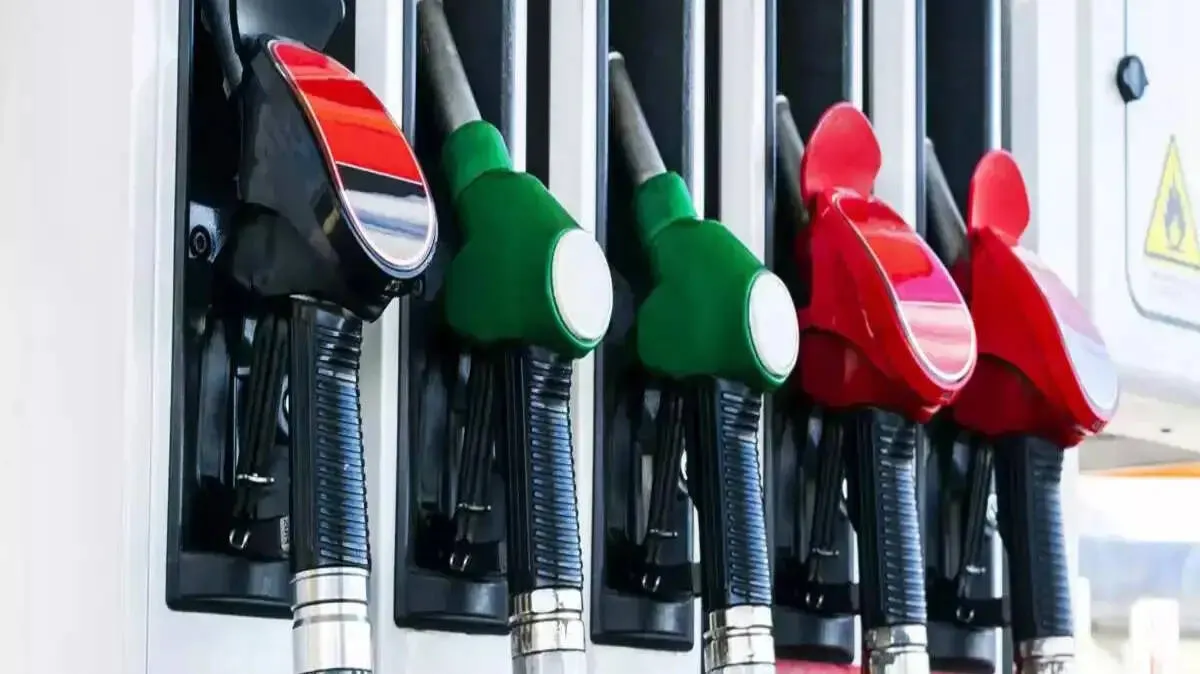
UAE Drivers Feel the Pinch as September Fuel Prices Climb Again
UAE motorists filling up this month are digging a little deeper into their pockets. The UAE Fuel Price Committee has confirmed new petrol and diesel rates for September 2026, with increases across every fuel grade for the second consecutive month, a rise officials have linked directly to fresh volatility in global oil markets stemming from renewed regional tensions.
Under the revised rates, effective from September 1, Super 98 petrol now costs Dh3.80 per litre, up from Dh3.60 in August, a 5.56 percent increase. Special 95 petrol rose to Dh3.69 per litre from Dh3.49, up 5.73 percent, while E-Plus 91 climbed to Dh3.61 per litre from Dh3.41, a rise of 5.87 percent. Diesel recorded by far the steepest increase, jumping to Dh4.30 per litre from Dh3.80 in August, a 13.16 percent surge that easily outpaced the movement in petrol prices.
Why Prices Are Rising Again
The UAE deregulated fuel prices back in 2015, linking domestic petrol and diesel rates directly to international oil market movements rather than fixing them administratively. The Fuel Price Committee reviews and adjusts rates at the close of every month based on prevailing global energy trends, meaning UAE motorists effectively see international oil price swings reflected in their monthly fuel bills with only a short lag.
This September’s increase comes against the backdrop of the 60-day ceasefire agreement between the United States and Iran expiring, with Washington signalling no intention of extending it while Tehran has threatened further escalation. That uncertainty has fed directly into oil futures markets, pushing crude prices higher and, in turn, UAE pump prices along with them.
A Year of Volatility
Zooming out, September’s rates form part of a turbulent pattern that has defined UAE fuel pricing throughout 2026. Since the outbreak of the broader regional conflict on February 28, retail fuel prices in the UAE climbed by more than 60 percent at their peak before easing back over the summer months. July brought a notable dip in prices following four consecutive months of increases, only for rates to rise again modestly in August and then more sharply in September.
Despite this month’s jump, UAE motorists are still paying somewhat less than they did at the year’s peak. Petrol prices reached their highest point in June 2026, when Super 98 touched Dh3.95 per litre, Special 95 hit Dh3.83, and E-Plus 91 reached Dh3.76. That puts all three September petrol grades roughly 4 percent below their 2026 highs. Diesel tells a similar story on a larger scale: the fuel peaked at Dh4.69 per litre in April and May, meaning September’s Dh4.30 rate sits about 8.3 percent, or 39 fils, below that high point.
What It Actually Costs Drivers
For context, a motorist filling a 60-litre tank with Special 95 will now pay Dh221.40 at September’s rates. Diesel users see a starker comparison: filling the same 60-litre volume costs Dh258 in September, compared with Dh281.40 at April and May’s peak, a saving of Dh23.40 relative to the year’s highest point, even after this month’s increase. For an 80-litre fill, that difference widens to Dh31.20, while a business or driver consuming 240 litres in a month would pay Dh1,032 in September compared with Dh1,125.60 at the peak, a difference of Dh93.60.
That distinction matters particularly for UAE businesses running diesel-dependent fleets, logistics operators, construction companies and delivery services, for whom even modest per-litre swings can translate into meaningful monthly cost differences at scale.
What Comes Next
The Fuel Price Committee will announce October’s rates at the end of September, with the outcome likely to hinge heavily on how the current geopolitical situation develops over the coming weeks. Given that oil prices have already climbed past $100 a barrel following this week’s escalation between the US and Iran, there is a reasonable chance that October could bring a further increase if elevated crude prices hold through the remainder of the month.
For now, UAE households and businesses are advised to factor September’s higher diesel costs in particular into monthly budgeting, especially given the sharper percentage jump in that fuel category compared with the more modest, though still notable, rise across petrol grades.


Comments 1