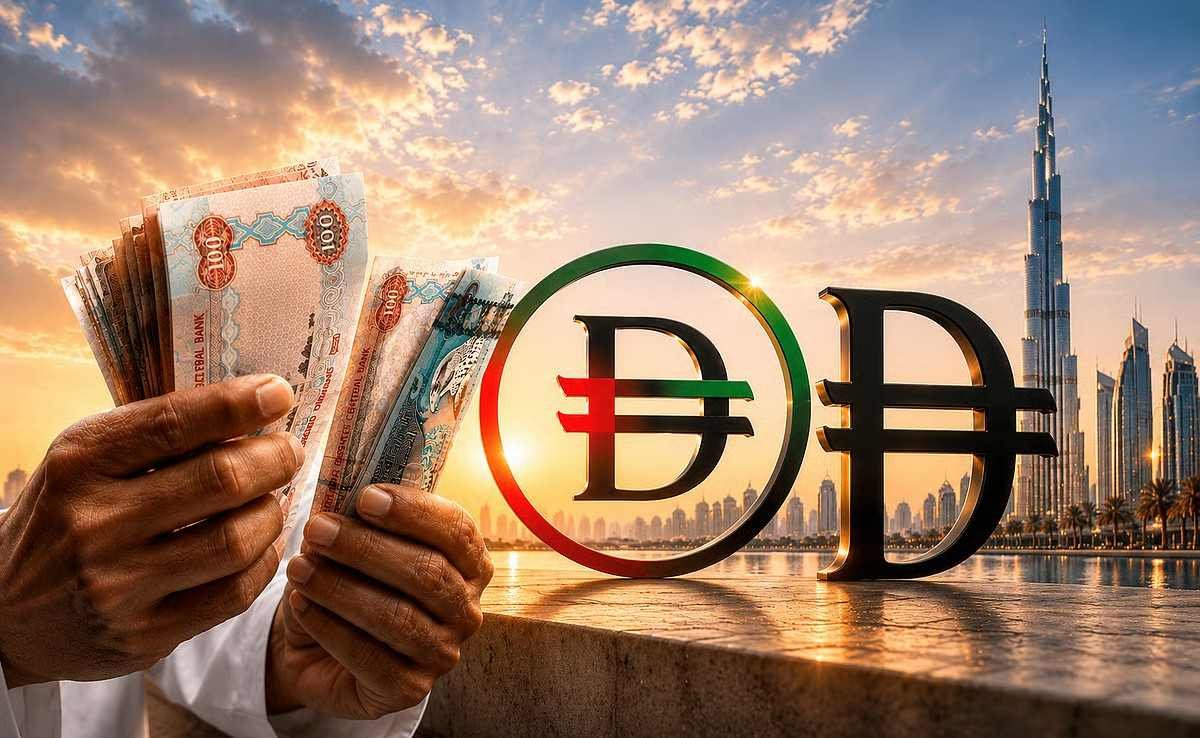
A Symbolic Milestone for the UAE’s Currency
For the first time in its history, the UAE dirham is set to receive a dedicated, globally recognised currency symbol — a change that may sound modest but carries significant weight for a country positioning itself as a leading global financial and digital payments hub. The Unicode Consortium, the California-based organisation responsible for standardising digital characters and symbols used across billions of devices worldwide, has officially approved the dirham symbol for encoding as part of Unicode version 18.0, scheduled for release this month.
The approval represents the essential technical foundation required before the symbol can appear on smartphones, computers, payment terminals and digital keyboards around the world. Until now, the dirham has lacked the kind of universally recognised single-character symbol enjoyed by currencies such as the US dollar, the euro or the British pound — a gap that the Central Bank of the UAE has worked to close as part of a broader strategy to modernise the country’s currency infrastructure.
What Unicode Approval Actually Means
For most people, Unicode operates entirely behind the scenes — it’s the technical standard that ensures a letter, number or symbol typed on one device displays correctly on another, regardless of operating system, hardware manufacturer or country of origin. Without Unicode approval, a proposed currency symbol has no reliable path to appearing consistently across the global technology ecosystem.
With that approval now secured, major technology companies including Apple, Google, Microsoft and Samsung are positioned to begin integrating the dirham symbol into their software ecosystems once Unicode 18.0 becomes active. In practice, this means the symbol could eventually appear as a selectable character on smartphone keyboards, within word processing software, and across point-of-sale payment systems — much like the dollar or euro signs that most of the world already takes for granted.
A Gradual Global Rollout
While the Unicode approval represents the critical technical breakthrough, officials have been clear that the practical rollout across consumer devices will happen gradually rather than all at once. Smartphones are expected to adopt the symbol relatively quickly through routine operating system updates, a process that typically unfolds over months rather than years for major platforms. Physical keyboards, by contrast, may take considerably longer to reflect the change on a global scale, given the manufacturing and distribution timelines involved in updating hardware across international markets.
For UAE residents and businesses, the most visible early impact is likely to be digital rather than physical — appearing first in software interfaces, financial applications and point-of-sale systems before eventually working its way into physical keyboard layouts sold internationally.
Part of a Broader Digital Currency Strategy
The Unicode approval doesn’t exist in isolation. It forms one piece of a much larger digital transformation of the UAE’s currency infrastructure, spearheaded by the Central Bank of the UAE (CBUAE) as part of its Financial Infrastructure Transformation, or FIT, Programme. Central to that broader effort is the ongoing development and rollout of the Digital Dirham, the UAE’s central bank digital currency, which has been designed to support near-instant transaction settlement and full integration with existing UAE banking infrastructure and digital identity systems.
The Digital Dirham’s retail rollout has progressed in phases throughout the year, with the currency designed to maintain full one-to-one parity with the physical dirham while enabling instant peer-to-peer payments around the clock. Unlike privately issued cryptocurrencies, the Digital Dirham is directly issued and guaranteed by the Central Bank, positioning it as sovereign digital money rather than a market-driven or privately backed alternative.
Building Cross-Border Payment Infrastructure
Beyond domestic use, the Digital Dirham has also been designed with cross-border functionality in mind, connecting to the mBridge network — a multilateral platform supporting digital currency transfers between participating central banks. Through mBridge, the UAE has established pathways for direct digital currency transfers with several major trading and remittance partners, including Saudi Arabia, India and China, markets that collectively represent some of the largest cross-border payment corridors connected to the UAE economy.
The broader digital currency ecosystem in the UAE has continued expanding alongside the Central Bank’s own initiatives. Several UAE banks have separately received regulatory approval to issue their own dirham-backed stablecoins, operating under a dual-layer regulatory structure in which the Central Bank oversees payment tokens and monetary stability requirements, while the Virtual Assets Regulatory Authority licenses and supervises virtual asset trading platforms, particularly in Dubai.
Positioning the UAE as a Financial Technology Leader
Taken together, the Unicode symbol approval and the broader digital dirham rollout reflect a consistent strategic thread running through the UAE’s approach to financial technology: a willingness to move early and decisively on infrastructure that other major economies have been slower to adopt. By securing global technical recognition for its currency symbol at the same time it advances one of the world’s more comprehensive central bank digital currency programmes, the UAE is positioning its financial system as both globally interoperable and technologically forward-looking.
For everyday residents, the practical impact of the Unicode approval will likely feel modest and gradual at first — a new symbol appearing on a banking app here, a payment terminal there. But for policymakers focused on the UAE’s long-term ambitions as a global financial hub, the milestone represents a meaningful step toward the kind of currency recognition and technical infrastructure that underpins genuine international financial influence. Next Article


Comments 1