Missile Alerts Hit Gulf Nations and Israel Hours After US-Iran Ceasefire Announcement
Tensions in the Middle East remained high on Wednesday as multiple Gulf countries and Israel reported missile alerts just hours after a ceasefire between the United States and Iran was announced. The timing of the attacks has raised serious questions about the durability of the truce.
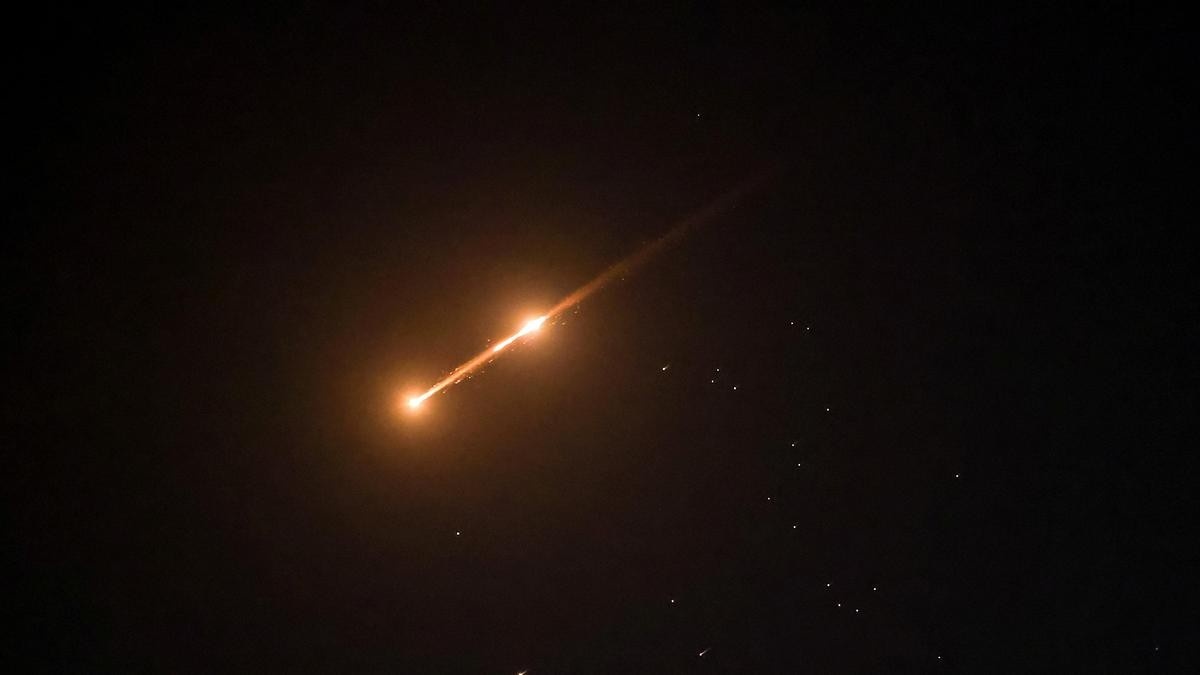
Sirens sounded across several regions, including Saudi Arabia, Bahrain, Kuwait, and Israel, prompting emergency responses and raising concerns about the stability of the newly declared truce. Authorities in affected areas quickly moved to intercept incoming threats and ensure public safety. The alerts caused panic in some areas.
According to officials, Kuwait and the United Arab Emirates activated defense systems to counter missile and drone attacks. In Abu Dhabi, emergency teams responded to a fire incident at a major gas processing facility, highlighting the potential impact of the strikes. Meanwhile, Qatar confirmed that its air defense systems successfully intercepted a missile. The defenses were tested.
Bahrain’s Interior Ministry issued urgent advisories, urging residents to take shelter, while Saudi Arabia’s civil defense authorities warned of possible danger in certain regions. These developments indicated that the threat extended across a wide geographical area, even as diplomatic efforts were underway to reduce hostilities. The warnings were widespread.
In Israel, the military confirmed that multiple missiles had been launched toward its territory. Defense systems were deployed to intercept the incoming projectiles, and emergency services were dispatched to several locations where impacts were reported. Authorities urged citizens to follow safety protocols and remain in protected areas. The sirens blared across cities.
The incidents occurred shortly after former US President Donald Trump announced a two-week ceasefire agreement with Iran. The truce was intended to pause escalating military action and create space for negotiations, particularly regarding the reopening of the strategically vital Strait of Hormuz. The timing of the attacks was striking.
However, the missile alerts and reported attacks have cast doubt on how effectively the ceasefire is being implemented. Reports suggest that despite the agreement, several countries in the region continue to face threats, indicating that not all actors may be adhering fully to the truce. Compliance appears uneven.
Experts note that in volatile conflicts, such incidents are not uncommon, especially during the early stages of a ceasefire. Last-minute or unauthorized strikes can occur due to fragmented command structures or deliberate attempts to gain strategic advantage before a full halt in hostilities takes hold. The transition is rarely smooth.
The broader conflict, which has significantly disrupted global energy supplies and heightened geopolitical tensions, remains far from resolved. While the ceasefire has raised hopes for de-escalation, the latest developments underscore the fragility of the situation. The respite may be temporary.
Also Read: Dangerous Move: Iran Plans Human Chains Around Key Infrastructure as Crisis Deepens
As international mediators continue efforts to bring lasting peace, the region remains on high alert, with governments closely monitoring the evolving security landscape. The coming days will be critical in determining whether the ceasefire holds or if violence escalates once again. The world watches anxiously.


