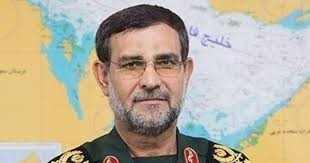
Iran Naval Commander Alireza Tangsiri Killed in Israeli Strike Amid Strait of Hormuz Crisis
In a major escalation of the ongoing Middle East conflict, Iran’s top naval commander, Alireza Tangsiri, has reportedly been killed in a targeted strike in southern Iran. Israeli authorities claim responsibility for the attack, describing it as a significant blow to Iran’s military leadership, particularly its naval operations in the strategically vital Strait of Hormuz.
According to Israeli media reports, Tangsiri, who headed the naval wing of Iran’s powerful Islamic Revolutionary Guard Corps (IRGC), was killed in an airstrike in the port city of Bandar Abbas. The strike was reportedly carried out as part of intensified military operations targeting Iranian infrastructure and senior commanders. However, Iran has not officially confirmed his death so far, and state media has remained silent on the reports.
Tangsiri was widely regarded as a key figure in Iran’s naval strategy and had been in charge of the IRGC Navy since 2018. He played a central role in overseeing the closure of the Strait of Hormuz, a critical maritime route through which nearly one-fifth of the world’s oil supply passes. Under his command, Iranian naval forces aggressively patrolled the waterway and enforced strict controls on shipping traffic.
The blockade of the strait has triggered a global energy crisis, severely disrupting oil and gas shipments and causing sharp price fluctuations in international markets. The closure came in response to joint US-Israel strikes on Iranian territory earlier this year, which marked the beginning of a broader regional conflict that has now entered its second month.
Israeli officials described Tangsiri as the “architect” behind Iran’s aggressive maritime posture in the Persian Gulf. His leadership was instrumental in enforcing restrictions on shipping through the strait, with Iranian forces warning or targeting vessels attempting to pass without approval. The move effectively halted commercial traffic and escalated tensions with Western and regional powers, drawing condemnation from multiple countries.
The killing of Tangsiri is being seen as part of a wider campaign by Israel to weaken Iran’s military command structure. In recent weeks, several high-ranking Iranian officials have reportedly been targeted in strikes, indicating a deliberate strategy to dismantle the country’s leadership during the conflict. This approach aims to degrade Iran’s ability to coordinate and execute military operations across multiple fronts.
Despite the high-profile nature of the strike, experts believe Iran’s military system is designed to withstand such losses. The IRGC operates through a decentralized command structure, allowing it to quickly replace senior leaders and maintain operational continuity. Succession plans are typically in place, ensuring that key operations continue with minimal disruption.
Tangsiri’s death, if confirmed, could have implications for the ongoing crisis in the Strait of Hormuz. Some analysts suggest it may weaken Iran’s immediate naval coordination, while others argue it is unlikely to significantly alter Tehran’s broader strategic stance. Iran has consistently maintained that the closure of the strait is a defensive measure and has warned of further escalation if attacked. The IRGC has a deep bench of experienced commanders capable of stepping into leadership roles.
The Strait of Hormuz remains at the center of global geopolitical concerns. Since the conflict began, shipping traffic through the waterway has dropped dramatically, with many vessels avoiding the region due to safety risks. The disruption has had far-reaching consequences, impacting global trade and energy security, with oil prices remaining volatile as markets react to each new development.
Meanwhile, the international community continues to call for de-escalation. The United States has pushed for reopening the strait and ensuring safe passage for commercial vessels, while also increasing its military presence in the region. Diplomatic efforts to broker a ceasefire are ongoing, though no breakthrough has been reported so far. Several Gulf nations have also called for the restoration of normal maritime traffic.
As tensions remain high, the reported killing of Alireza Tangsiri marks another critical moment in the conflict, underscoring the volatility of the situation and the potential for further escalation in the days ahead. The coming days will likely determine whether this targeted strike leads to a wider confrontation or whether diplomatic efforts can gain momentum amid the heightened hostilities.


