Addressing a Wave of Online Scrutiny
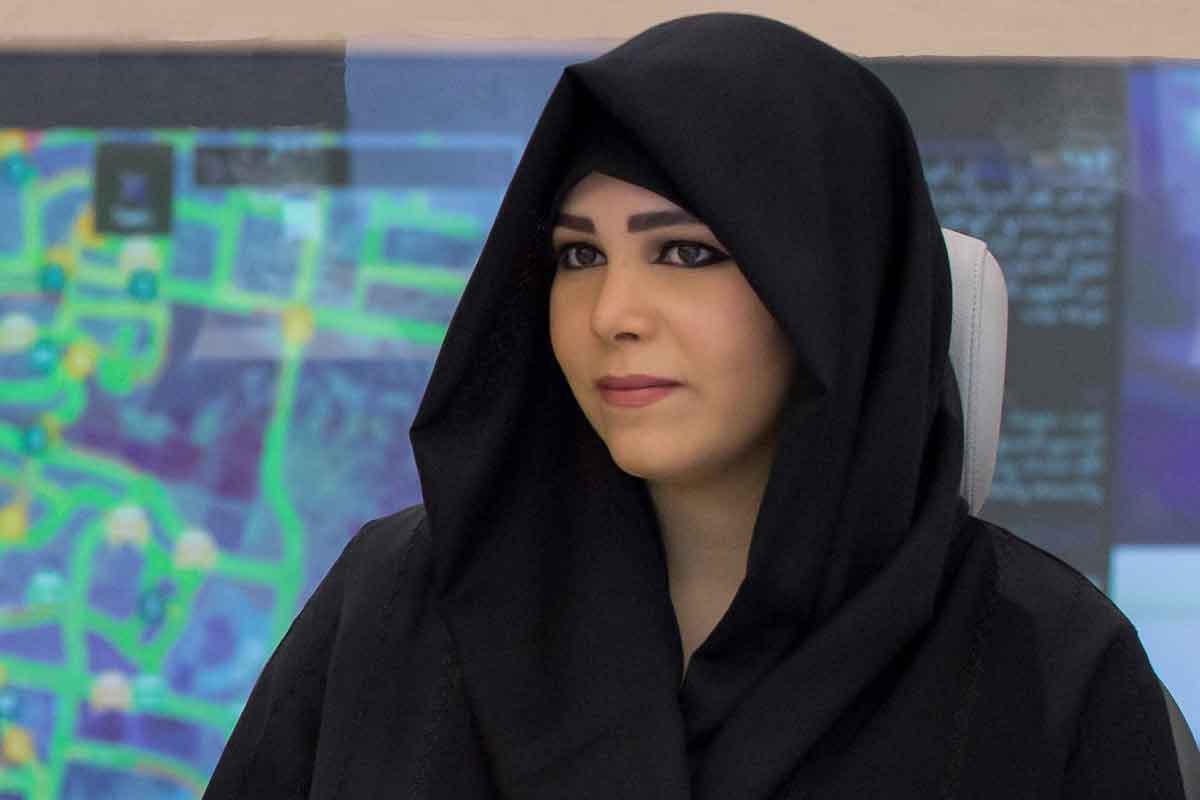
Sheikha Latifa bint Mohammed, chairwoman of the Dubai Culture and Arts Authority, used a high-profile appearance at the Arab Media Summit this week to directly address speculation that surrounded UAE residents who posted supportive, positive content during a period of missile and drone attacks launched by Iran against the country earlier this year.
Speaking at the Dubai World Trade Centre, Sheikha Latifa said the residents in question, many of them Dubai-based influencers, expressed genuine pride in and love for their country during a difficult and uncertain period — rejecting suggestions from some quarters that such content had been financially incentivised or coordinated.
Where the Speculation Originated
The remarks came in direct response to criticism levelled by certain international media outlets, particularly in the UK, which had questioned the motivations of Dubai-based content creators who painted a positive picture of daily life in the emirate during the height of the conflict. Some observers had gone as far as suggesting that residents were being compensated to project a reassuring image of the country during a period of genuine regional tension.
Sheikha Latifa firmly rejected that characterisation, framing the outpouring of public support instead as a natural expression of the deep trust UAE residents have developed in the country’s leadership and institutions over an extended period.
A Relationship Built on Trust
Central to Sheikha Latifa’s address was the idea that Dubai’s leadership has, over time, cultivated a level of public trust that extends well beyond conventional government messaging. She explained that anyone working within Dubai’s government sector understands the emirate’s clear guiding objective: ensuring the happiness, comfort and security of everyone living within the city, regardless of nationality or background.
That consistency of purpose across government entities and systems, she argued, is what ultimately builds genuine trust between residents, their leaders and the broader institutions that shape daily life in the emirate — a trust that, in her view, cannot be manufactured or purchased, only earned through sustained, consistent action over time.
She went further, describing the city’s evolving global identity as something shaped as much by its residents as by official messaging. In her words, a thousand stories could be written about the city from the outside, but the ones that carry genuine impact are the stories its own residents choose to tell.
The Growing Challenge of Misinformation
Beyond addressing the specific controversy, Sheikha Latifa used her platform to raise broader concerns about the rapidly evolving media landscape, particularly the role artificial intelligence is playing in reshaping how information spreads. She noted that AI has made it dramatically easier for virtually anyone to create and distribute content at scale, a development that brings with it significant challenges around ensuring accurate information reaches its intended audience amid a growing volume of competing narratives.
She was careful to distinguish between the speed of content creation and the far slower process of building genuine trust, noting that while technology now allows people to produce content within seconds, trust itself cannot be manufactured on the same timescale — it must be earned incrementally, through consistent and credible action over an extended period.
Younger Generations Particularly Exposed
Sheikha Latifa highlighted data suggesting that younger people across the Arab world are particularly exposed to this rapidly shifting information environment, citing a figure indicating that 55 per cent of people under the age of 30 in the region regularly navigate a media landscape characterised by fast-moving and often unverified content.
This generational exposure, she suggested, presents a distinct challenge for institutions and cities alike: building relationships with communities robust enough to withstand an era in which technology can amplify both accurate reporting and false narratives with equal speed and reach, often faster than fact-checking or official responses can keep pace.
Cities as Genuine Partners, Not Just Destinations
Looking beyond the immediate controversy, Sheikha Latifa framed her remarks within a broader vision of how successful global cities build lasting appeal. She argued that great cities attract people not merely through marketing or infrastructure, but by making residents genuine partners in shaping the city’s future direction and identity.
In Dubai’s case, she suggested, this partnership approach — combined with a consistent record of following through on commitments during periods of genuine difficulty — is what ultimately translated into the kind of spontaneous public support the emirate saw during the recent period of regional tension, rather than any form of coordinated or incentivised campaign.
A Broader Reflection on Public Communication
Sheikha Latifa’s remarks offer a window into how Dubai’s leadership is thinking about public communication and reputation management in an era increasingly shaped by artificial intelligence, social media virality and rapid information spread. Her comments suggest that officials view sustained, authentic public trust — rather than reactive messaging campaigns — as the most durable asset a city or nation can draw upon during periods of external scrutiny or crisis, a lesson she suggested carries relevance well beyond the specific circumstances that prompted her remarks.


Comments 1