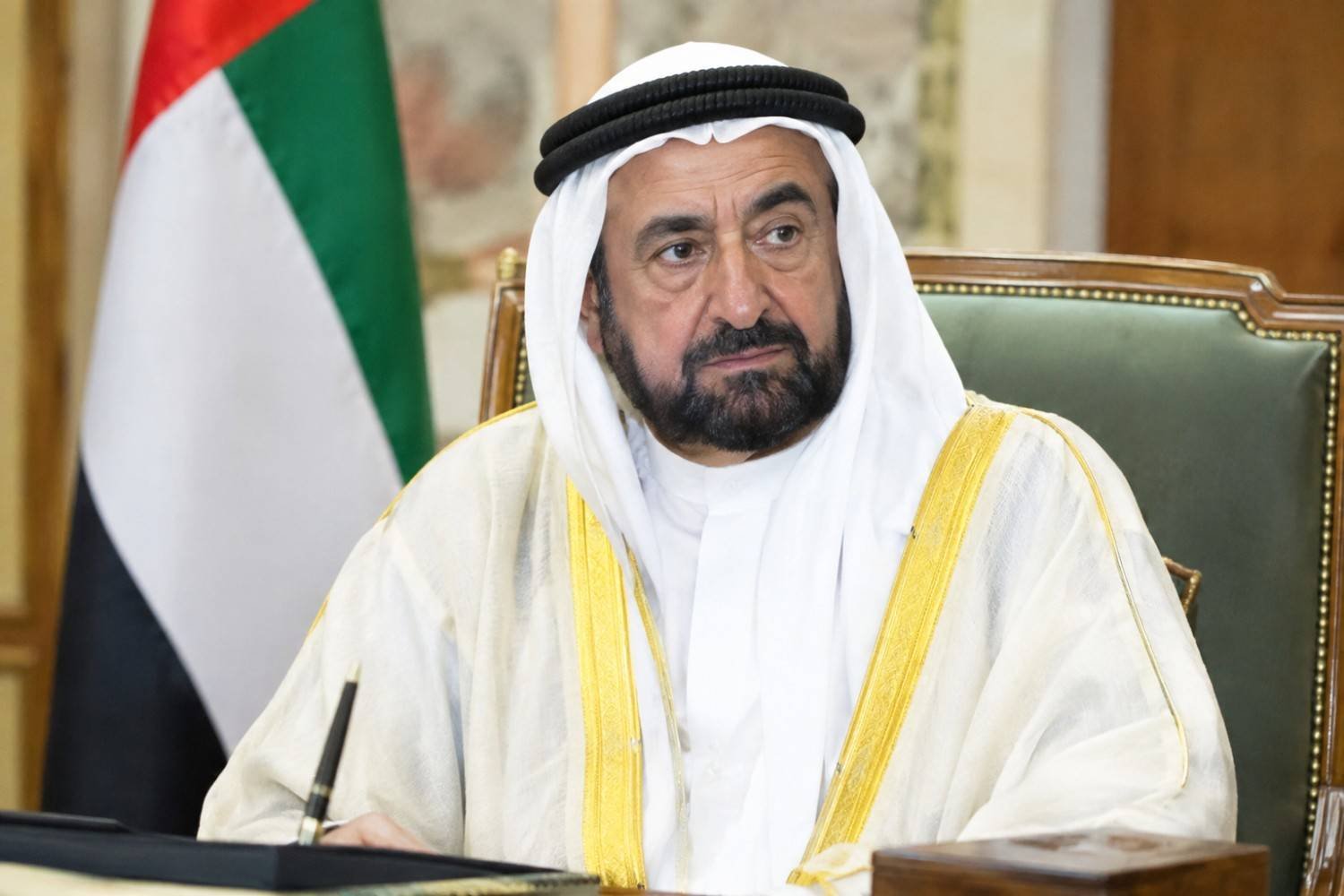
Sharjah has significantly expanded its social welfare commitments, with Ruler His Highness Sheikh Dr Sultan bin Mohammed Al Qasimi approving a monthly living allowance of AED 20,000 for thousands of government employees, retirees, and families across the emirate.
The decision, which took effect on September 1, 2026, sets a new minimum income floor for several distinct groups rather than applying a blanket raise across the board. Abdullah Ibrahim Al Zaabi, who chairs Sharjah’s Department of Human Resources, detailed the scope of the changes during an appearance on the “Direct Line” programme broadcast by Sharjah Radio and Television, describing it as part of a broader package of directives aimed at resetting the emirate’s baseline standard of living for its citizens.
Who Benefits and By How Much
The single largest group affected is Sharjah’s own government workforce. Under the new directive, 17,776 government employees will see their income lifted to the AED 20,000 floor, a change officials estimate will cost the emirate more than AED 720 million annually — by far the largest component of the package.
Beyond active employees, the allowance extends to several categories of citizens who are not currently on a government payroll. Some 6,652 families currently receiving social assistance from the Sharjah government will now see their monthly support rise to the same AED 20,000 level. Retirees who spent their careers in Sharjah’s government are also covered, with 2,251 pensioners set to benefit at an annual cost of just over AED 113 million.
A further 5,300 people — retirees who never worked within the Sharjah government but who draw a supplementary grant from the emirate — will likewise see their monthly income raised to AED 20,000, adding around AED 159 million to the government’s yearly obligations. Combined, officials say the total package touches upward of 31,900 individuals and families, with the overall additional annual expense surpassing AED 1.18 billion.
Why the Timing Matters
Officials framed the decision as the product of extensive internal studies examining the real monthly costs facing Emirati households, including housing, education, healthcare, and general living expenses. Sheikh Sultan’s directive is explicitly aimed at ensuring what officials describe as a “dignified and decent” standard of living for citizens, rather than a general cost-of-living adjustment tied to inflation metrics.
The move comes as several Gulf governments have been recalibrating public-sector compensation and social support programmes amid a period of regional economic uncertainty, driven in part by prolonged instability linked to the broader Iran-related tensions that have rattled markets and disrupted trade routes across the wider Middle East since earlier this year. Raising guaranteed minimum incomes for citizens is one lever governments in the region have used to insulate households from external shocks while reinforcing social cohesion.
A Broader Pattern of Emirati-Focused Policy
The Sharjah announcement follows a series of federal-level initiatives this year aimed at supporting Emirati citizens specifically, including adjustments to salary-support programmes for nationals working in the private and banking sectors, as well as new child allowances tied to family size and income thresholds. Seen together, these measures suggest a coordinated effort across the UAE’s individual emirates and federal government to strengthen the social safety net for citizens even as broader economic and geopolitical pressures continue to weigh on the region.
For the families and retirees directly affected, the shift to a guaranteed AED 20,000 monthly floor represents one of the more substantial social welfare adjustments Sharjah has made in recent years — one likely to be watched closely by residents in neighbouring emirates as a signal of how far the broader UAE welfare model may continue to expand. Next Article


Comments 1