Iran Conflict Escalates: UAE Intercepts Missiles, Kuwait Cuts Oil Output, Gulf on High Alert
Dubai/Kuwait City — The ongoing conflict involving the United States, Israel and Iran has continued to escalate across West Asia, triggering security alerts, missile interceptions and economic concerns across Gulf countries including the United Arab Emirates and Kuwait. As the war enters its second week, governments in the region are on high alert while global markets remain volatile due to fears of disruptions to oil supplies.
UAE Emergency Alerts and Interceptions
In the UAE, authorities issued emergency alerts warning residents about potential missile threats amid reports of Iranian drone and missile attacks targeting several Gulf nations. The country’s defence systems responded by intercepting ballistic missiles and drones, with the defence ministry confirming that air defence units and fighter jets were deployed to neutralise incoming threats. Residents in some areas reported hearing loud explosions, which officials said were the result of interception operations.
Authorities advised residents to remain indoors and move to safe areas away from windows and open spaces until the situation stabilised. Later in the day, the UAE’s Ministry of Interior informed citizens and residents that the immediate emergency threat had subsided and that the situation was under control.
Iran Vows Continued Attacks
The tensions are part of the wider military confrontation between Iran and the US–Israel alliance. Iranian officials have warned that their country will continue attacks for as long as necessary and have rejected calls for a ceasefire. Iran has also threatened to block oil exports from the Gulf region during the conflict, a move that could severely disrupt global energy markets.
The Strait of Hormuz, one of the world’s most important shipping routes for crude oil, has become a central concern during the crisis. A significant share of global oil supply passes through the narrow waterway, and any disruption could send energy prices soaring worldwide. Energy companies and governments are closely monitoring the situation amid fears of prolonged disruption.
Oil Production Cut in Gulf States
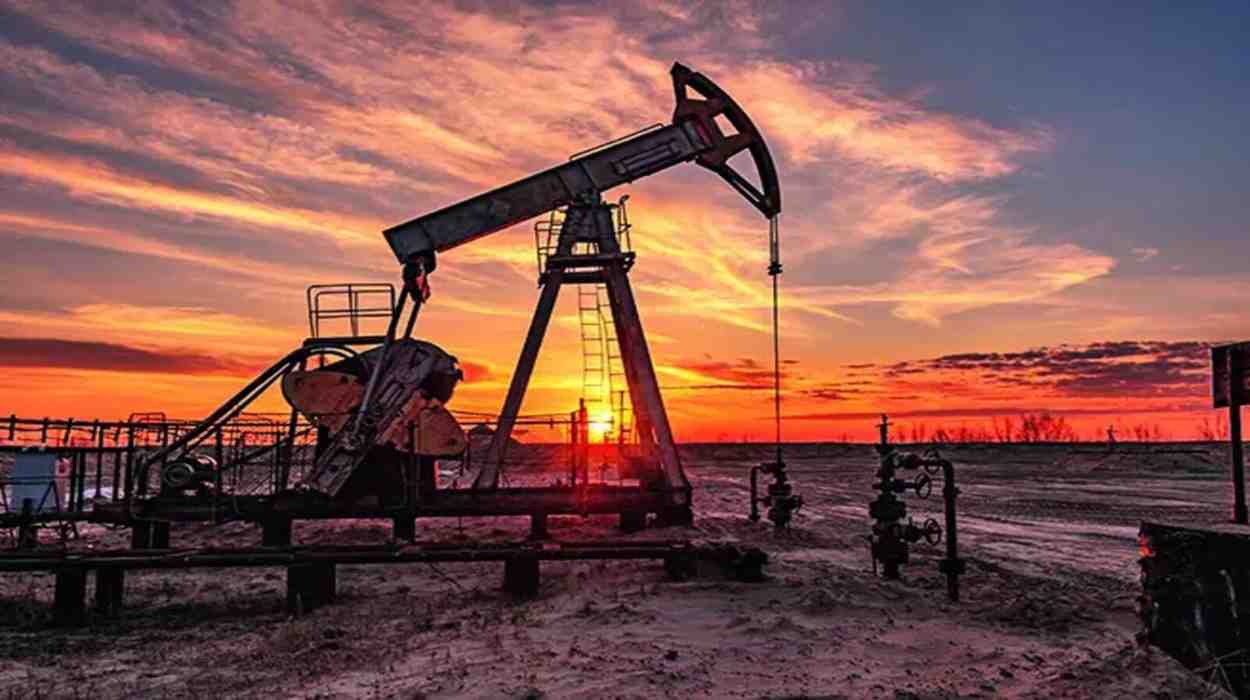
The conflict has already affected oil production in several Gulf countries. Reports suggest the UAE has reduced its oil output by hundreds of thousands of barrels per day, while Kuwait and Iraq have also cut production as a precaution amid the regional tensions. These moves are aimed at managing supply risks and maintaining stability in global energy markets.
Aviation Disruptions
Meanwhile, the crisis has also disrupted international travel and aviation across the Middle East. Several airlines have suspended or cancelled flights to destinations such as Dubai and Riyadh due to security concerns and airspace restrictions. Flight tracking services have also reported delays at airports, with some aircraft placed in holding patterns due to security alerts.
According to aviation data, tens of thousands of flights across the region have been cancelled since the conflict began, leaving many passengers stranded and forcing airlines to revise their schedules. The disruptions highlight how geopolitical tensions can quickly affect global travel and logistics networks.
Diplomatic Tensions
Diplomatic tensions have also intensified across the region. The UAE condemned a drone attack targeting its consulate in Iraq’s Kurdistan region, describing the strike as a violation of international norms protecting diplomatic missions. Several Gulf countries have expressed solidarity with the UAE and condemned attacks on diplomatic premises.
Attacks Spread Across Gulf
The conflict has also spread to other parts of the Middle East, with reports of Iranian drone attacks targeting Saudi Arabia and Kuwait. Air defence systems in these countries have reportedly intercepted several drones aimed at strategic areas. In Bahrain, a residential building was struck during an attack, resulting in casualties and injuries.
International Reactions
International reactions have been mixed, with some countries urging restraint while others have warned about the wider economic consequences of the conflict. Analysts say the crisis could have major implications for global oil markets, trade routes and geopolitical stability if the fighting continues to escalate.
Residents Urged to Stay Calm
Despite the rising tensions, authorities in the UAE and other Gulf states have urged residents to remain calm and follow official safety guidelines. Governments across the region continue to monitor the security situation closely as diplomatic efforts to prevent further escalation remain uncertain.
Also Read: Missile Alert in UAE as Government Denies Involvement in Attacks on Iran
Conclusion
The developments highlight the growing risks of a broader regional conflict, with the Gulf region once again at the centre of geopolitical tensions that could affect global energy markets, international travel and economic stability.
Iran war expands: UAE under missile fire, Kuwait cuts oil, flights grounded. The Gulf braces for what comes next.


