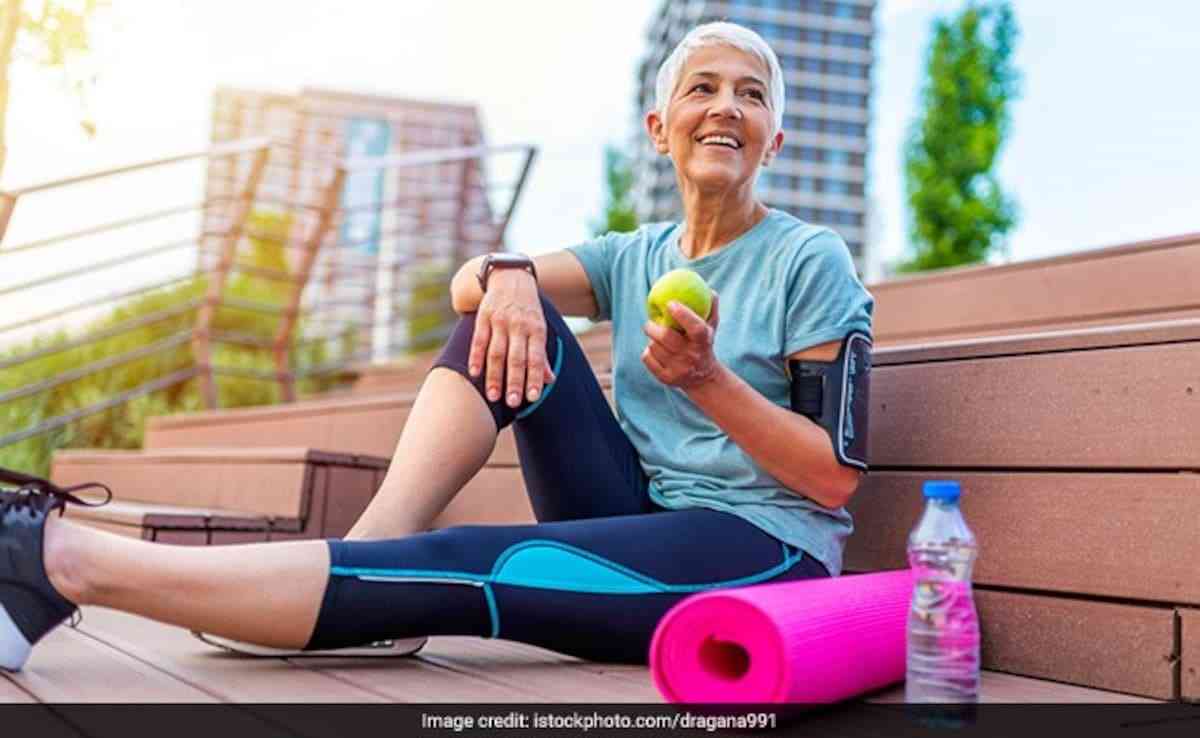
How to Live a Healthy Lifestyle After 50
Turning 50 is a major milestone — and it can also be the beginning of one of the healthiest and most fulfilling phases of life. While aging brings natural changes in metabolism, muscle mass, bone density, and energy levels, adopting the right habits can help you stay active, strong, and mentally sharp for decades to come, allowing you to enjoy this chapter with vitality and purpose. Here’s how to build a healthy lifestyle after 50 that supports both body and mind.
1. Prioritize Balanced Nutrition
As we age, our bodies require fewer calories but more nutrients, making food quality more important than ever. Focus on nutrient-dense foods that deliver vitamins, minerals, and fiber without excess sugar or unhealthy fats that can contribute to chronic disease.
- Increase protein intake to maintain muscle mass, which naturally declines with age. Include lean meats, fish, eggs, beans, lentils, and Greek yogurt in your daily meals to provide the building blocks your body needs.
- Eat more fruits and vegetables for antioxidants that support immunity and heart health, aiming for a rainbow of colors to ensure a variety of protective compounds.
- Choose whole grains over refined carbohydrates to help regulate blood sugar and maintain steady energy throughout the day.
- Include healthy fats such as olive oil, nuts, seeds, avocados, and fatty fish like salmon, which support brain health and reduce inflammation.
Stay hydrated — thirst sensation may decline with age, so drink water regularly throughout the day even if you don’t feel thirsty, aiming for at least eight glasses.
Limiting salt, processed foods, and added sugars can significantly reduce the risk of heart disease, high blood pressure, and type 2 diabetes, all of which become more common concerns after 50.
2. Stay Physically Active
Exercise becomes even more important after 50, serving as one of the most powerful tools for maintaining independence and quality of life. It helps maintain muscle strength, joint flexibility, balance, and cardiovascular health.
Aim for:
150 minutes of moderate aerobic activity per week, such as brisk walking, cycling, swimming, or dancing, which strengthens your heart and lungs.
Strength training at least twice a week to prevent muscle loss (sarcopenia) and maintain the strength needed for everyday activities like carrying groceries and climbing stairs.
Balance exercises, such as yoga or tai chi, to reduce fall risk — a major concern as we age.
Stretching routines to improve flexibility and prevent stiffness that can limit movement and cause discomfort.
If you are new to exercise or have medical conditions, consult a healthcare provider before starting a new routine to ensure activities are appropriate for your situation.
3. Protect Bone and Joint Health
Bone density naturally declines after 50, particularly in women after menopause, making bone health a priority. To protect bones:
Ensure adequate calcium and vitamin D intake through diet or supplements if needed, as these nutrients work together to maintain bone strength.
Engage in weight-bearing exercises like walking, hiking, or light resistance training, which stimulate bone formation.
Avoid smoking and limit alcohol consumption, both of which accelerate bone loss and increase fracture risk.
Joint care is equally important. Maintaining a healthy weight reduces pressure on knees and hips, lowering the risk of arthritis-related pain and preserving mobility. If you experience joint discomfort, consider low-impact activities like swimming that provide exercise without stress.
4. Focus on Heart Health
Heart disease risk increases with age, making cardiovascular health a top priority after 50. Simple lifestyle habits can make a significant difference in your long-term health:
Monitor blood pressure, cholesterol, and blood sugar regularly through checkups and home monitoring if recommended.
Maintain a healthy weight through balanced nutrition and regular activity.
Reduce stress through meditation, breathing exercises, or hobbies that bring you joy and calm.
Get quality sleep — aim for 7–8 hours per night to allow your body to repair and regenerate.
Small, consistent lifestyle changes often have a stronger long-term impact than drastic short-term efforts, building sustainable habits that last.
5. Keep Your Mind Sharp
Cognitive health is just as important as physical health after 50. While some mental slowing is normal, actively engaging your brain can help maintain sharpness and potentially reduce dementia risk:
Read regularly and learn new skills that challenge your brain, whether it’s a new language, musical instrument, or hobby.
Play puzzles, board games, or memory games that require strategic thinking and problem-solving.
Stay socially connected with friends and family through regular contact, as social engagement is strongly linked to cognitive health.
Consider volunteering or joining community groups that provide purpose and connection while keeping you mentally active.
Mental stimulation and social interaction are linked to lower risks of cognitive decline and depression, making them essential components of healthy aging.
6. Schedule Regular Health Screenings
Preventive care becomes increasingly important after 50, helping detect potential issues early when they’re most treatable. Stay current with:
Annual physical exams to establish baselines and catch problems early
Eye and dental check-ups to maintain vision and oral health
Cancer screenings as recommended for your age and gender, including mammograms, colonoscopies, and prostate exams
Bone density tests to assess fracture risk
Hearing tests to address age-related hearing changes promptly
Early detection often means simpler and more effective treatment, preserving your health and independence.
7. Manage Stress and Emotional Well-being
Life after 50 may come with significant changes — retirement planning, children leaving home, caring for aging parents, or adjusting to new routines. Managing emotional health is key to overall wellness:
Practice mindfulness or meditation to reduce stress and increase present-moment awareness
Maintain hobbies that bring joy and provide a sense of accomplishment
Seek professional help if experiencing persistent anxiety or depression, which are treatable conditions
Build strong social support networks through friends, family, or community groups
Emotional wellness directly influences physical health, creating a virtuous cycle of well-being.
8. Embrace a Positive Mindset
Perhaps the most powerful tool for healthy aging is mindset. View this stage of life as an opportunity — not a limitation. Many people discover new passions, careers, or adventures after 50, finding that their experience and wisdom open doors they never expected.
Healthy aging isn’t about perfection; it’s about consistency. Small daily habits — nutritious meals, regular movement, mental engagement, and strong relationships — create a foundation for vitality and independence that can carry you through your 50s, 60s, and beyond.
Conclusion
Your 50s can be the start of your healthiest decades yet. By focusing on nutrition, exercise, preventive care, and mental wellness, you can build a lifestyle that supports energy, strength, and joy for years to come. The investments you make today will pay dividends in quality of life tomorrow.
Fifty is not old — it’s experienced. Here’s how to make your next chapter your best yet.


