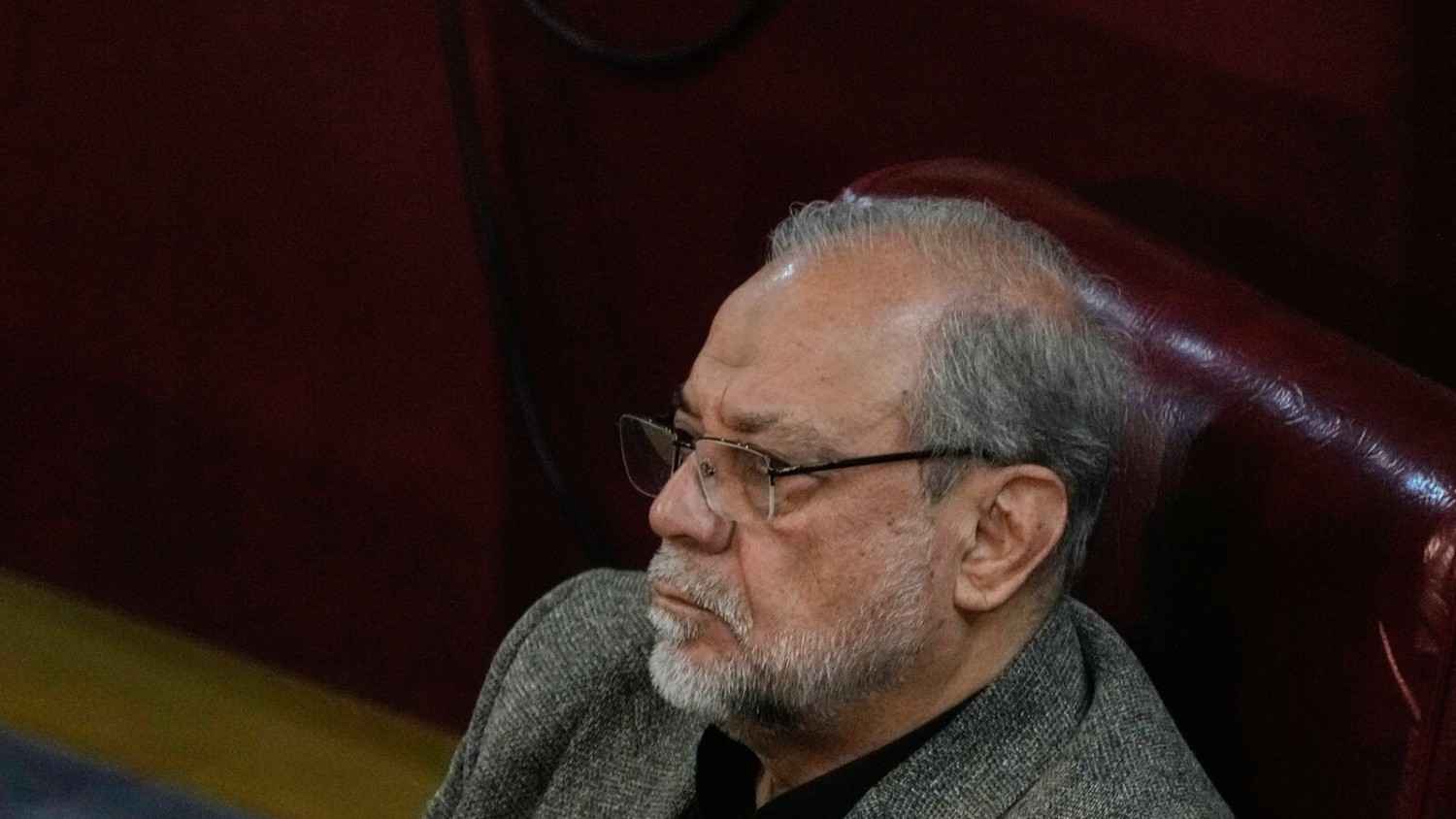
Iran Appoints Mohammad Bagher Zolghadr as New Security Chief Amid Escalating Regional Tensions
Iran has appointed a new top security official in a significant leadership reshuffle amid escalating regional tensions. Mohammad Bagher Zolghadr, a senior figure with a long background in Iran’s military and political establishment, has been named the new secretary of the country’s Supreme National Security Council (SNSC), replacing Ali Larijani, who was recently killed in a strike.
The announcement was made through Iranian state media and confirmed by senior government officials. Zolghadr, a former commander in the Islamic Revolutionary Guard Corps (IRGC), steps into one of the most powerful positions in Iran’s security architecture at a time when the country is facing intense geopolitical pressure and ongoing conflict in West Asia.
The SNSC plays a central role in shaping Iran’s defense, intelligence, and foreign policy strategies. Chaired by the president, the council includes top military commanders, intelligence officials, and key political figures. As secretary, Zolghadr will be responsible for coordinating national security decisions and ensuring their implementation across various state institutions.
Zolghadr brings decades of experience to the role. He previously served as a brigadier general in the IRGC and has held several high-ranking positions, including roles in the Interior Ministry and judiciary. More recently, he was associated with the Expediency Discernment Council, an influential body that resolves disputes within Iran’s political system. His appointment is widely seen as a move that strengthens the influence of hardline and security-oriented factions within the government.
He replaces Ali Larijani, a veteran politician and key figure in Iran’s power structure, whose death marks a major turning point. Larijani was killed in a strike reportedly carried out amid the ongoing conflict involving Iran, Israel, and the United States. His assassination dealt a significant blow to Iran’s leadership, as he was considered a central figure in both domestic governance and international negotiations.
Larijani had played a crucial role in shaping Iran’s strategic policies and was known for balancing political pragmatism with hardline positions. His absence is expected to influence the country’s policy direction, potentially reducing the space for diplomatic engagement and strengthening more assertive approaches. Analysts believe that his death, along with the appointment of Zolghadr, signals a shift toward a more security-focused leadership structure.
The timing of the leadership change is particularly significant. Iran is currently navigating a period of heightened instability, with ongoing military exchanges and rising tensions across the Middle East. The situation has also affected global energy markets and increased concerns about wider regional conflict. In this context, the appointment of an experienced security figure like Zolghadr is seen as an effort to consolidate control and ensure coordinated responses to emerging threats.
Experts suggest that Zolghadr’s military background and close ties to the IRGC could lead to a more hardline stance in Iran’s domestic and foreign policies. His leadership may prioritize security considerations over diplomatic engagement, particularly as the country continues to confront external pressures and internal challenges. This could have implications for ongoing negotiations regarding Iran’s nuclear program and its regional military posture.
At the same time, the restructuring highlights the growing influence of military-linked figures within Iran’s political system. With several senior leaders having been targeted in recent weeks, there is increasing concern within the country’s leadership about stability and continuity. The appointment of Zolghadr is therefore not only a routine replacement but also part of a broader effort to reinforce the state’s command structure and ensure unified decision-making during a crisis.
Zolghadr’s appointment also reflects Iran’s emphasis on maintaining strong institutional coordination between the military and political arms of government. His background in both security and judicial institutions positions him as a figure capable of bridging different branches of the state, which could prove critical as Iran navigates multiple fronts of conflict and diplomacy.
In conclusion, Iran’s decision to appoint Mohammad Bagher Zolghadr as the new security council chief underscores a critical moment in the country’s political and security landscape. As tensions remain high and uncertainties persist, the new leadership is expected to play a decisive role in shaping Iran’s response to both domestic and international challenges. The coming weeks will reveal how this leadership transition affects Iran’s posture in the escalating regional conflict and whether it opens or closes pathways to diplomatic engagement.


