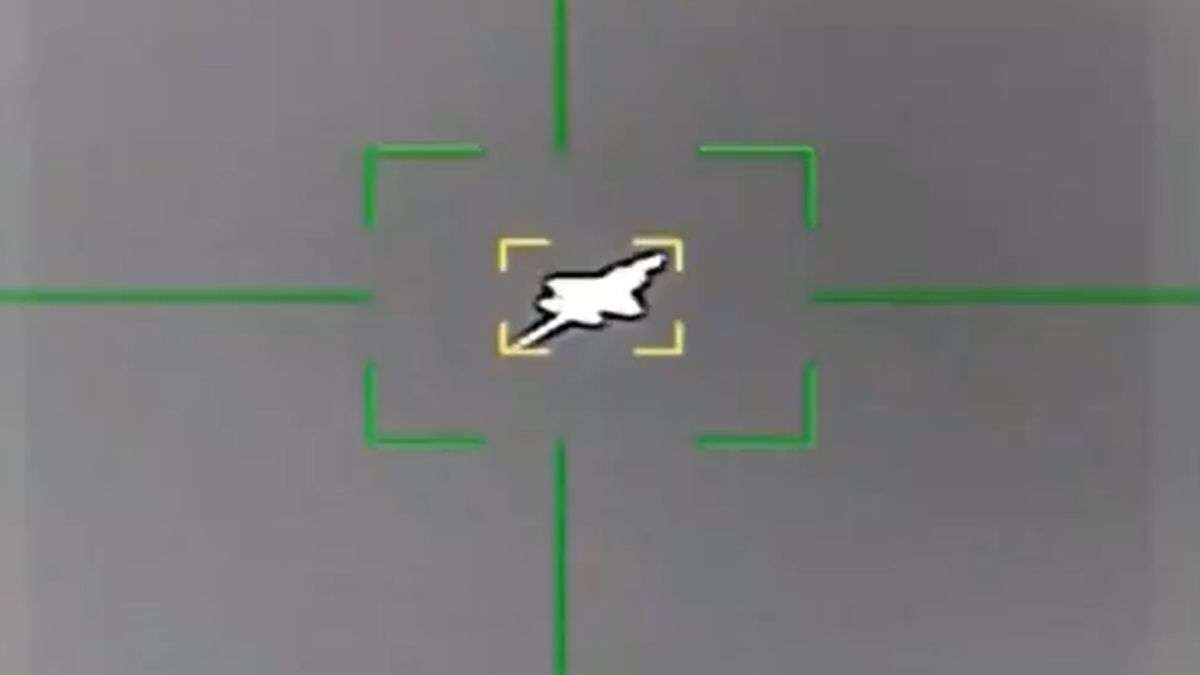
US F-35 Stealth Fighter Struck During Iran Mission, Raising Questions Over Vulnerability Amid Rising Conflict
A dramatic claim emerging from the ongoing US-Iran conflict has drawn global attention after reports suggested that an American F-35 Lightning II stealth fighter jet was struck during a combat mission over Iran. While details remain under investigation, the incident, if confirmed, could mark a significant moment in modern aerial warfare and raise questions about the vulnerability of one of the world’s most advanced fighter jets. According to multiple reports, the US aircraft was hit by suspected Iranian fire while operating over hostile territory, forcing it to make an emergency landing at a military base in the Middle East. Officials confirmed that the pilot was safe, and the jet managed to land successfully, though the extent of the damage has not been publicly disclosed.
The development has sparked intense debate among defence experts because the F-35 is widely regarded as one of the most sophisticated stealth fighters ever built. Designed with advanced radar-evading technology, cutting-edge sensors, and powerful electronic warfare capabilities, the aircraft is meant to operate undetected in contested airspace. This makes any reported hit on such a platform particularly noteworthy. Even though the jet was not shot down, the mere possibility that it was successfully targeted has been described as a big deal in military circles. Analysts suggest that it could indicate improvements in Iran’s air defence systems, including radar tracking, missile accuracy, or electronic warfare tactics. Alternatively, some experts caution that even stealth aircraft are not completely invisible and can still be detected under certain conditions, especially during prolonged or repeated missions in the same region.
The incident also comes amid an intensifying air campaign by the United States in Iran, where advanced aircraft, including F-35s, are being used to strike strategic targets such as missile bases, drone hubs, and naval assets. The growing scale of operations has increased the risk to pilots and equipment, as Iranian forces continue to deploy a mix of air defences, drones, and missile systems in retaliation. What makes this episode particularly significant is the reputation of the F-35 itself. The fifth-generation fighter has long been marketed as nearly untouchable due to its stealth profile and network-centric warfare capabilities. It has been used by several countries and has played a key role in modern combat operations. In fact, earlier in the conflict, an F-35 operated by Israel reportedly achieved the first-ever air-to-air kill of a manned aircraft by this platform, underlining its dominance in aerial combat.
However, this latest development highlights an important reality: no military system is completely invulnerable. Defence experts point out that even the most advanced jets can be exposed to risks when operating in heavily defended airspace. Factors such as mission complexity, enemy preparedness, and the density of air defence networks can all influence outcomes. There is also a note of caution regarding claims made during wartime. In previous conflicts, Iran has announced the downing of advanced aircraft, including F-35s, only for those claims to later be proven inaccurate. This history means that any such reports are being closely scrutinised by analysts and governments alike.
Still, the reported incident underscores how the ongoing conflict is evolving into a high-tech confrontation, where both sides are testing the limits of modern military capabilities. The use of stealth fighters, drones, and advanced missile systems reflects a new era of warfare in which technological superiority plays a decisive role. For the United States, the incident may prompt a reassessment of operational tactics in Iranian airspace, potentially leading to adjustments in flight patterns, electronic warfare protocols, or the use of additional support assets to protect high-value platforms. For Iran, if the strike is confirmed, it represents a significant propaganda victory and a demonstration of its ability to challenge even the most advanced adversaries.
Also Read: Major Launch: Amazon Unveils Alexa+ in the UK With Smarter, More Personal AI Features
As investigations continue, the focus will remain on understanding how the aircraft was hit and what it means for future operations. Whether it represents a breakthrough in counter-stealth technology or simply a rare battlefield incident, the event has already added a new dimension to the conflict, highlighting both the strengths and vulnerabilities of cutting-edge military hardware. The coming days are likely to bring further scrutiny from defence analysts worldwide, as the implications of this incident ripple through military and geopolitical circles alike.


