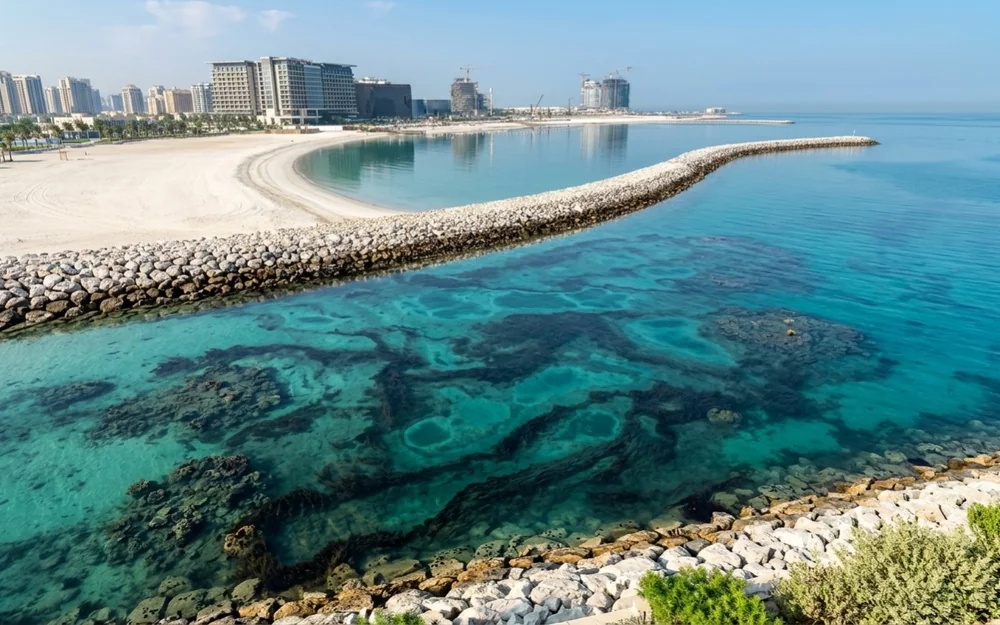
Beaches across the northern emirates are shut, and the closures have now reached Sharjah’s city coastline as authorities try to keep oil from a damaged tanker away from the shore.
The Sharjah Government Media Bureau said the temporary closure of the city’s beaches is a precaution to stop pollution from reaching the coast. It did not say when the beaches would reopen.
A closure spreading south
The spill has been moving along the northern coast over several days. Umm Al Quwain closed all of its beaches and coastal areas on October 23, after authorities confirmed an offshore tanker spill had affected its coastline. Ras Al Khaimah then closed all its public beaches until further notice on October 24. Sharjah first closed Al Hamriyah Beach, near the Umm Al Quwain border, on October 23, before Wednesday’s wider shutdown.
The Sharjah closure is preventive. The bureau said the citywide measure is meant to prevent exposure to pollution, and does not confirm that oil has reached every beach. That distinction is important for residents who may see closed sites that look clean.
What the authorities say about health
The UAE’s Ministry of Climate Change and Environment has addressed the smell reported by residents in several emirates. It said its monitoring system detected a tanker spill affecting Umm Al Quwain’s beaches, and that odours noticed in Sharjah, Ajman and Umm Al Quwain pose no health risk. It added that surveys and assessments are continuing.
Residents who feel unwell should seek medical advice, as they would in any case. The ministry’s statement concerns the general public and does not rule out irritation for sensitive individuals.
The tanker question
Officials have not named the vessel. UAE authorities have not identified the tanker or said what caused the spill. Martin Kelly, chief executive of Orbital Risk Intelligence, told Reuters it was coming from a tanker called Gem No.2. This report treats that as an outside assessment, not an official finding.
Why the stakes are high
Coastal oil pollution can reach well beyond the beach. The spill has drawn attention to the vulnerability of shallow coastal habitats and fishing grounds. Mangroves, seagrass beds and shallow lagoons in the northern emirates are difficult to clean once oil settles in them. Fishing, tourism and public recreation are all affected.
What residents should do
Official guidance has been consistent. Authorities urge the public and sea-goers to follow the instructions issued, to rely on official channels for information, and to avoid spreading rumours.
Beyond that, common-sense steps apply in any marine pollution event:
- Do not enter closed beaches or cross barriers.
- Do not touch oil, tar balls or oiled wildlife. Report them to the relevant municipality or authority.
- Keep children and pets away from the waterline in affected areas.
- Check official channels before heading to any beach, including those in emirates that have not announced closures.
What to watch
Three questions will decide how long the disruption lasts: whether more oil is still leaking, which way currents and wind carry what is already in the water, and how quickly clean-up teams can finish their assessments. Authorities in each emirate have said they will reopen beaches after teams complete checks and confirm the shoreline is safe.
For now, the northern coast is closed to swimmers, walkers and anglers. The Emirates Times will update this report when reopening dates are announced.


Comments 1